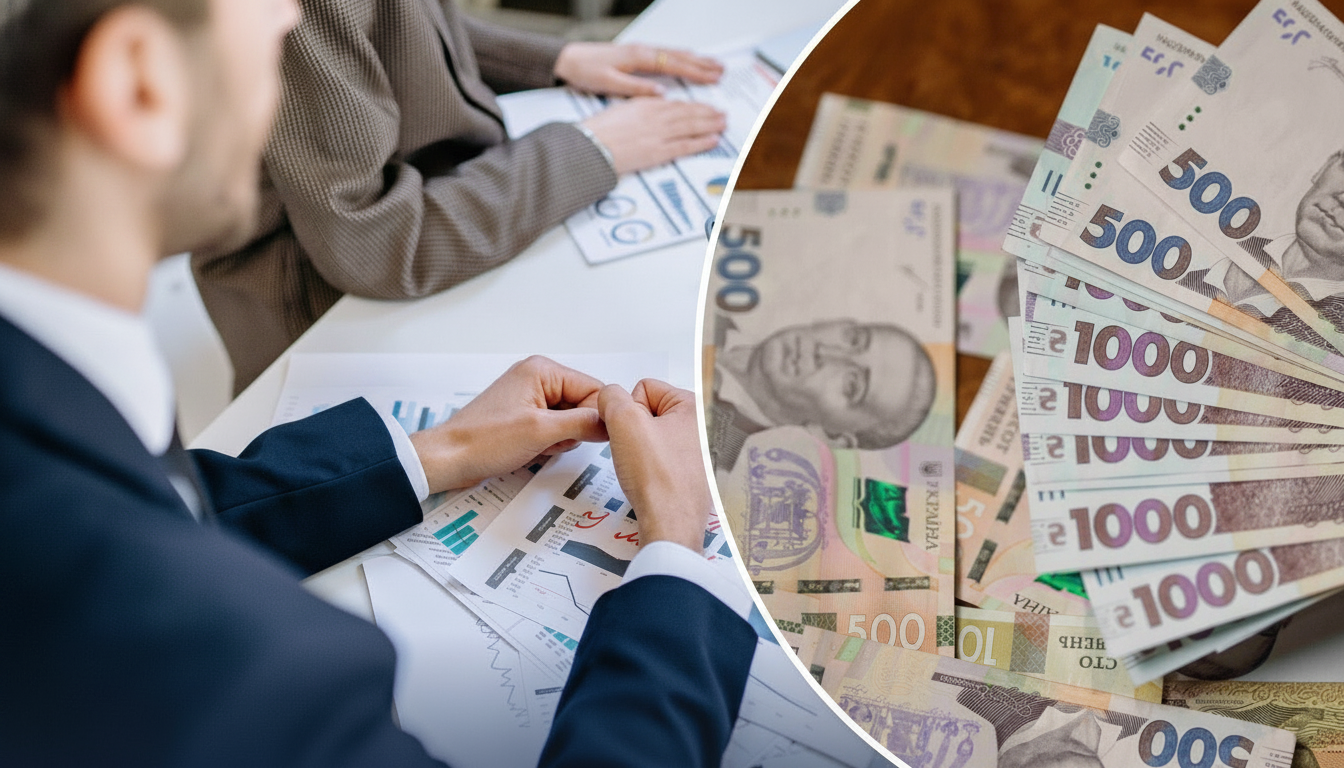
Russia's $12 Trillion Peace Offer to the US: What's Behind the Proposal?.

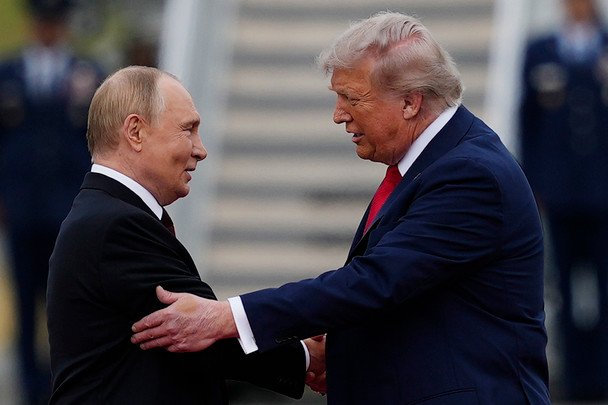
The Economic Incentives for Peace with Russia
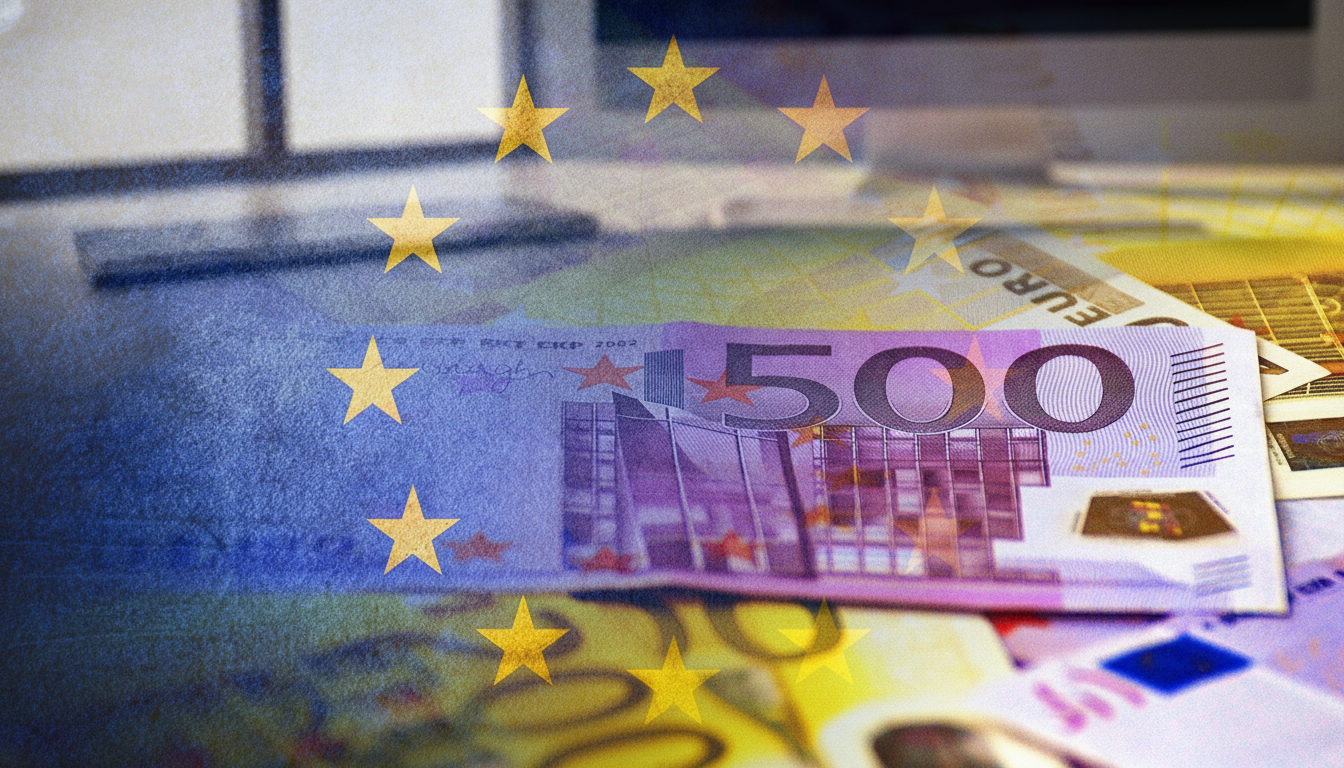
According to TSN.ua: The Kremlin is attempting to persuade the United States that a reconciliation could yield enormous economic benefits, which it estimates at $12 trillion. However, analysts view this figure as an exaggeration, casting doubt on the realism of such claims. In pursuit of this cooperation, Kirill Dmitriev, head of the Russian Direct Investment Fund, has met with American financier Steve Witkoff at least nine times to discuss potential collaboration between the two nations.
Constraints on Russia's Economic Potential
Russia claims to possess mineral reserves sufficient for 74 years of global consumption, a prospect that could theoretically attract investors. Furthermore, President Vladimir Putin has hinted at a willingness to return $5 billion in confiscated assets to Exxon Mobil, a move that could be interpreted as a step toward improving relations with the West.
Despite the Kremlin's ambitious assertions, analysts emphasize that the $12 trillion sum does not align with economic realities. It is particularly noteworthy that China now controls nearly 60% of Russia's imports, a fact that highlights the limitations of Russia's economic reach on the global stage. Consequently, the Kremlin's attempts to convince the US of the financial windfall from a peace deal may lack a solid foundation.
These developments occur against a backdrop of heightened tensions between Russia and the West, which continue to strain international economic relations. While the Kremlin seeks to restore its position in global markets, Western nations, particularly the United States, are carefully weighing the potential risks associated with re-engaging with Russia. This ongoing geopolitical friction means the future trajectory of relations between these powers will remain under close scrutiny by experts and analysts worldwide.
Read also
- Putin Faces a Tough Choice: Continue War or Preserve the Russian State, Says Ex-US Envoy Volker
- Putin Rejects Zelenskyy’s Call for a Face-to-Face Meeting
- ISW Debunks Putin’s Claims of Russian Military Gains: The Real Frontline Picture
- Trump Says Zelensky and Putin Must Resolve the War on Their Own
- Putin's Rejection of Talks Is a Strategic Blunder for Russia, Says Ukraine's Foreign Minister
- Armenia’s Final Pivot West: What Drove Pashinyan’s Decision