Ben Hodges on Stabilization Forces in Ukraine: They Must Be Strong Enough to Effectively Deter Russia.

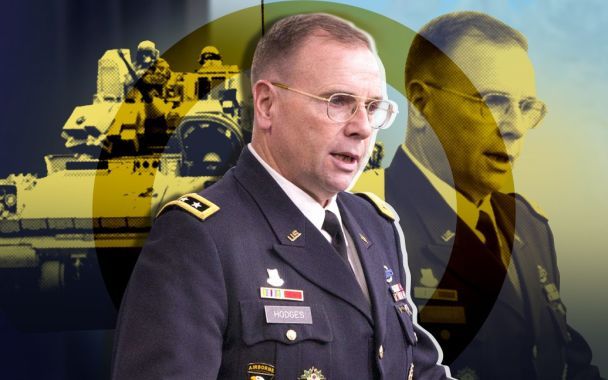
According to ТСН: Former Commander of the U.S. Army in Europe Ben Hodges expressed the opinion that potential international stabilization forces in Ukraine should be powerful enough to reliably deter Russia from violating any future ceasefire.
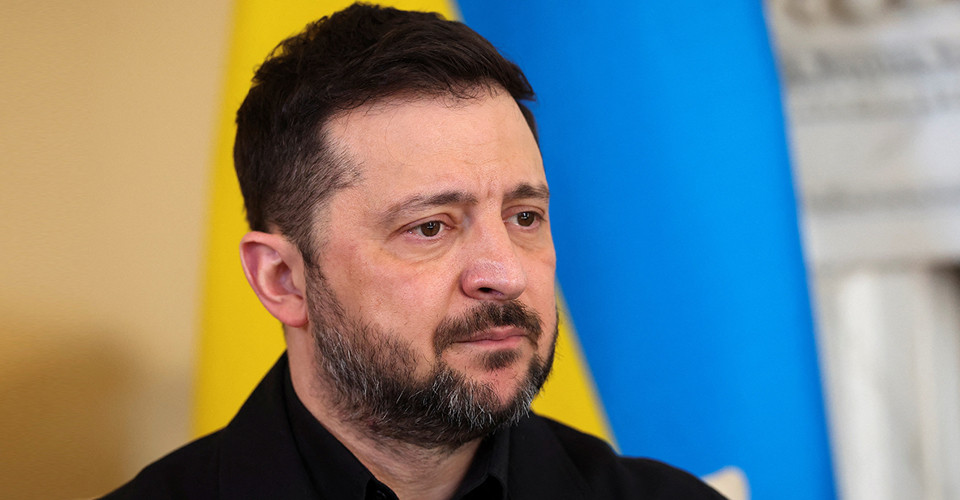
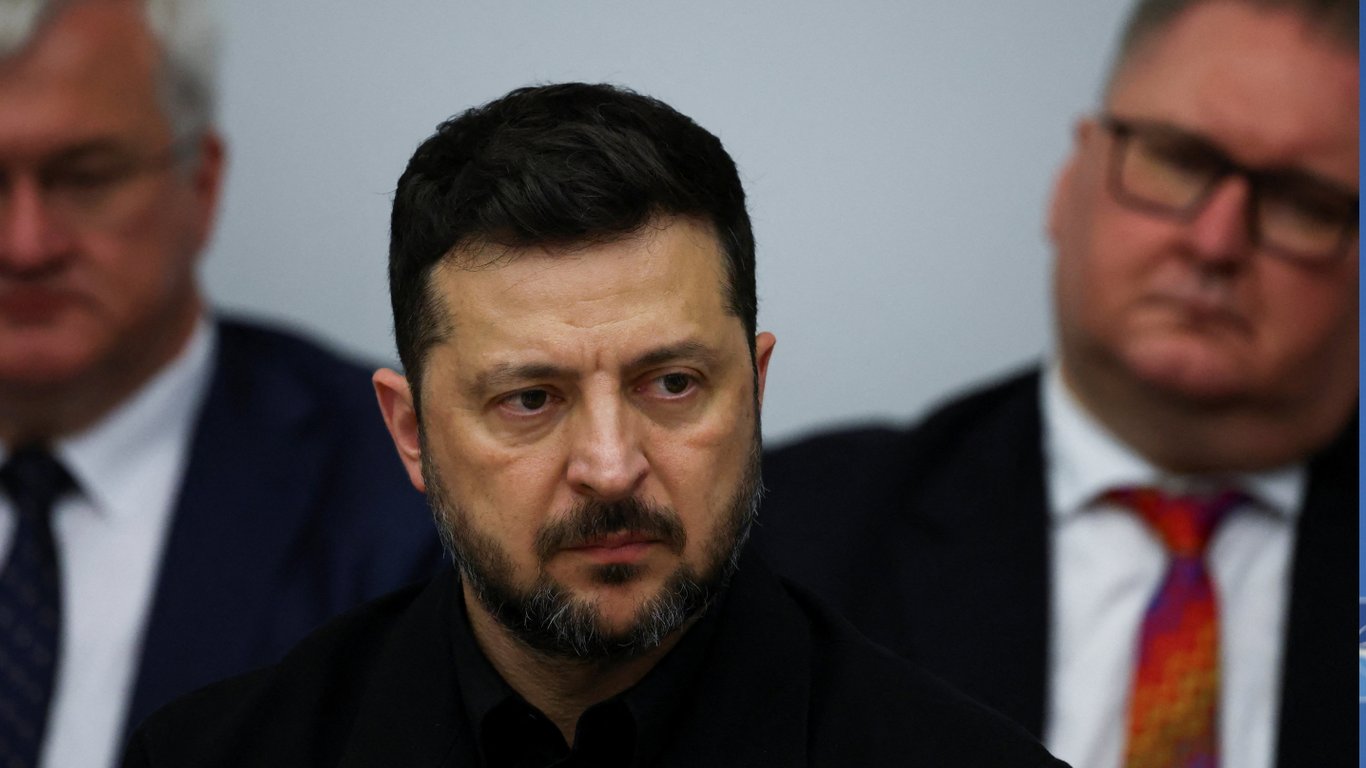
In a comment on the discussion of the multinational contingent idea, the leaders of the United Kingdom and France, along with Ukrainian President Volodymyr Zelensky, discussed how effective such a mission could be. Hodges emphasized that symbolic operations will not provide the necessary deterrence.
"The coalition of the willing must have real power and clear rules of engagement that allow for immediate response to any violations,"he stated.
Hodges also noted that the troops on the ground must have the capability to act independently, especially in the event of Russian drones or other provocations, without waiting for decisions from European capitals.
He emphasized that there are serious doubts about Russia's adherence to any agreements, recalling numerous violations of ceasefire regimes from 2014 to 2022.
"Anyone who believes that Russia will simply abide by an agreement is unrealistic,"he stressed.
The general also believes that the Russian side will likely attempt to test the readiness of international forces right after they are deployed, so the contingent must be prepared to defend against drone attacks and other threats.
Foreign Troops in Ukraine
Canadian Prime Minister Mark Carney stated that Ottawa may deploy its army to Ukraine as part of multinational forces and train Ukrainian military personnel, but this is only possible after a peace agreement is reached. He noted that participation in foreign forces has "much greater impact than if we acted independently."
German Chancellor Friedrich Merz said that German troops will not be deployed in Ukraine even after a ceasefire is reached. However, he emphasized that Berlin will continue to provide political, financial, and military support.
Belgian Prime Minister Bart De Wever also stressed that the country will take on part of the peacekeeping responsibilities after hostilities cease, providing air and naval capabilities as well as training measures.
The expressed thoughts and positions reflect a serious approach of the international community toward potential peacekeeping missions in Ukraine. Considering previous negative experiences, it is important that new initiatives have a real mechanism for action to achieve stability in the region. Establishing clear conditions for the military and strict interaction rules can ensure the success of such missions.
Read also
- Strikes on Moscow Shatter Putin’s Image of Invincibility, Expert Explains
- Kyiv Council Allocates an Extra UAH 2 Billion for Military Support: What This Means
- Zelensky in Brussels: NATO and Ukraine to Announce Ramstein Meeting Outcomes
- Zelenskyy Urges Stronger Air Defense in Brussels: New Threats Emerge
- At Ramstein, Zelenskyy Pushes for Deeper Defense Integration: Key Takeaways from the Talks
- Europe Can Only Build a Strong Army with Ukraine, Zelensky Tells Ramstein Allies