Russia's Unchanging Strategy Despite 30,000 Monthly Military Losses.

The Russo-Ukrainian War
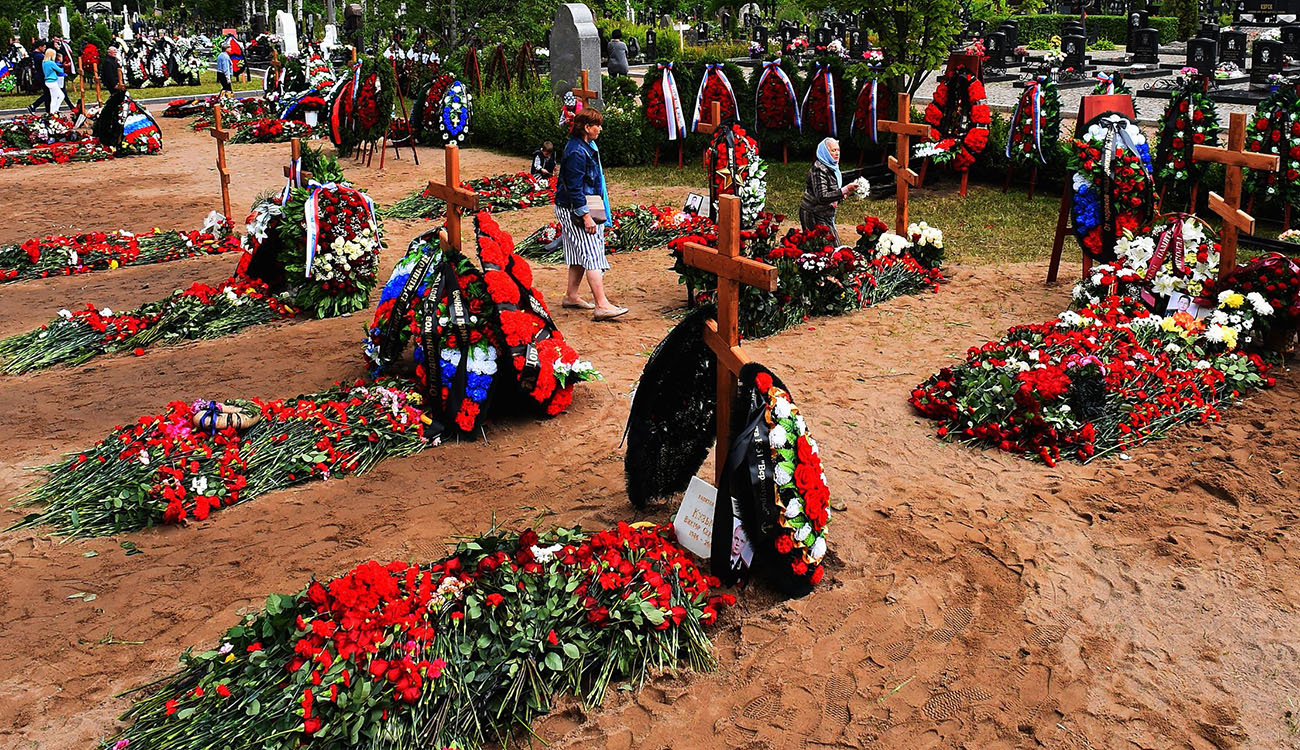
According to UATV: Russia's full-scale invasion of Ukraine continues relentlessly, despite the immense casualties sustained by its military. Various estimates place Russia's total losses at no fewer than 250,000 personnel. To put this staggering figure in perspective, the Soviet Union lost approximately 17,000 troops over the entire ten-year war in Afghanistan. The Russian army is currently suffering around 30,000 casualties each month, a figure which includes both killed and wounded soldiers. In January 2023 alone, the enemy's total losses reached 31,700 individuals.
Mobilization and Economic Pressure
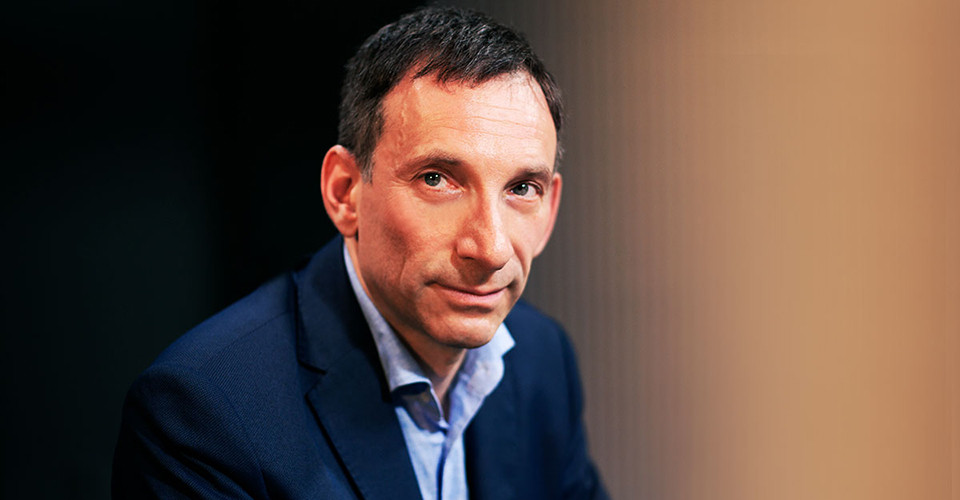
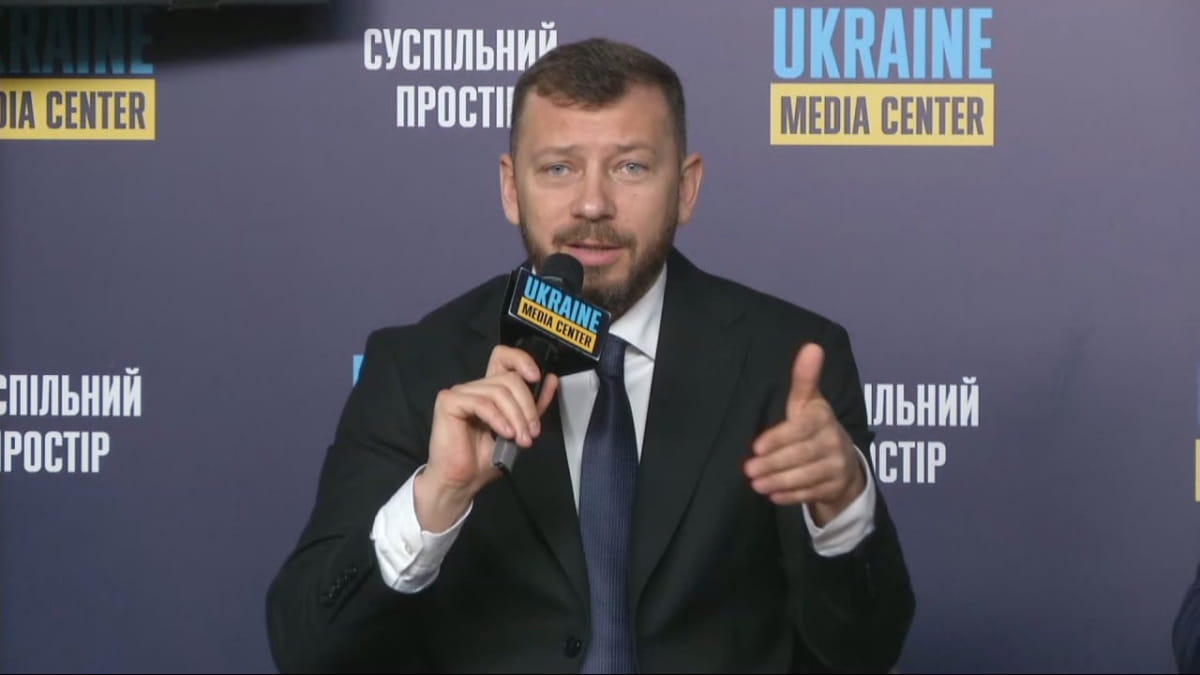
Russia has conducted only one major mobilization wave, which occurred in the autumn of 2022. Volodymyr Fesenko notes that
'if Russia starts losing one and a half times more on the front—around 50,000 people per month—then a serious problem with replenishing human resources will arise.'He also emphasizes that
'that previous mobilization caused a host of internal problems: people fled the country, there was panic.'
Fesenko further expressed the view that 'it is necessary to pressure Russia economically and through sanctions, primarily by reducing its oil export revenues.' In his opinion, when it becomes clear that Russia cannot win this war and that its resources are insufficient,
'then, perhaps, an understanding of the need to negotiate will emerge.'Consequently, the Kremlin's strategic approach remains unchanged, even in the face of these significant battlefield losses.
The overall context of the war between Russia and Ukraine remains highly volatile, with constant shifts on the front lines and a critical situation developing within the Russian economy. The loss of such a substantial number of service personnel jeopardizes the Kremlin's military capacity, which could lead to new domestic challenges. Sustained economic pressure from the international community, particularly through sanctions, is likely to be a decisive factor in the future course of the conflict and any potential peace negotiations. This war represents the largest conventional conflict in Europe since World War II.
Read also
- Massive protests erupt across Ukraine after defense minister Fedorov is dismissed
- 95% Certainty in Parliament: Serhiy Koretskyi Set to Become Ukraine's Next Prime Minister
- NATO Agrees on $140 Billion for Ukraine: When the Aid Will Arrive
- Over 160 Deals Worth €10 Billion: Gdansk Summit Delivers Major Support for Ukraine
- US Elections Could Push Putin to Fast-Track Deals: What This Means for Ukraine
- Why No Peace Deal Is Expected by Year-End: Political Analyst Volodymyr Fesenko on the War's Conclusion