










How Belarusian Towers and Mesh Networks Are Reshaping the Drone War After Russia Lost Starlink.
Russian Military Adapts to New Technological Realities
According to TSN.ua: Following the loss of access to the Starlink satellite internet system, Russian forces have been forced to adapt their drone warfare tactics. They have now shifted to using a mesh network, facilitated by communication towers built on Belarusian territory, to overcome growing difficulties in controlling their unmanned aerial vehicles.
To solve this problem, Russian military units constructed specialized communication towers in Belarus. This new system allows drones to function as routers, distributing a Wi-Fi signal to other drones in the area, which significantly improves their coordination during missions. This mesh network enables drone units to operate more effectively despite the limitations imposed by the loss of reliable satellite communication. This technological pivot highlights the evolving nature of electronic warfare in the conflict, where control of the electromagnetic spectrum is as critical as physical terrain.
New Challenges for Ukrainian Defenses
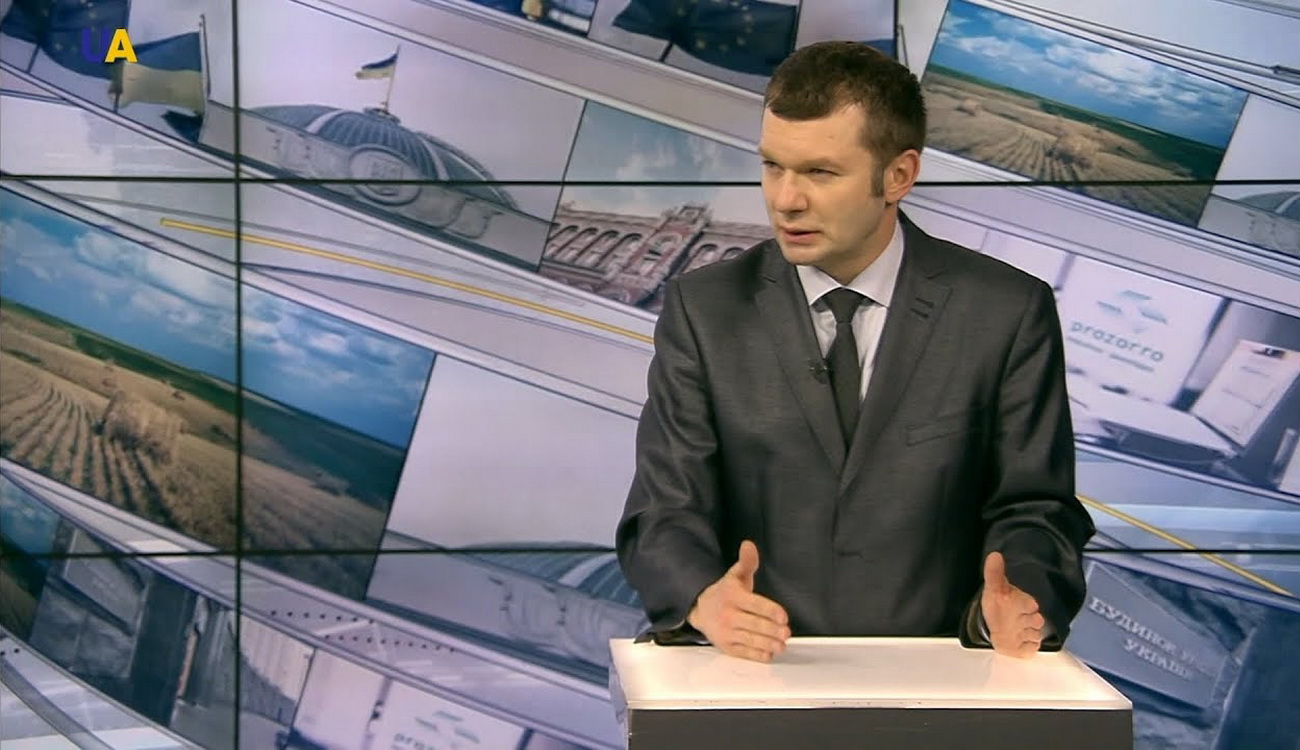
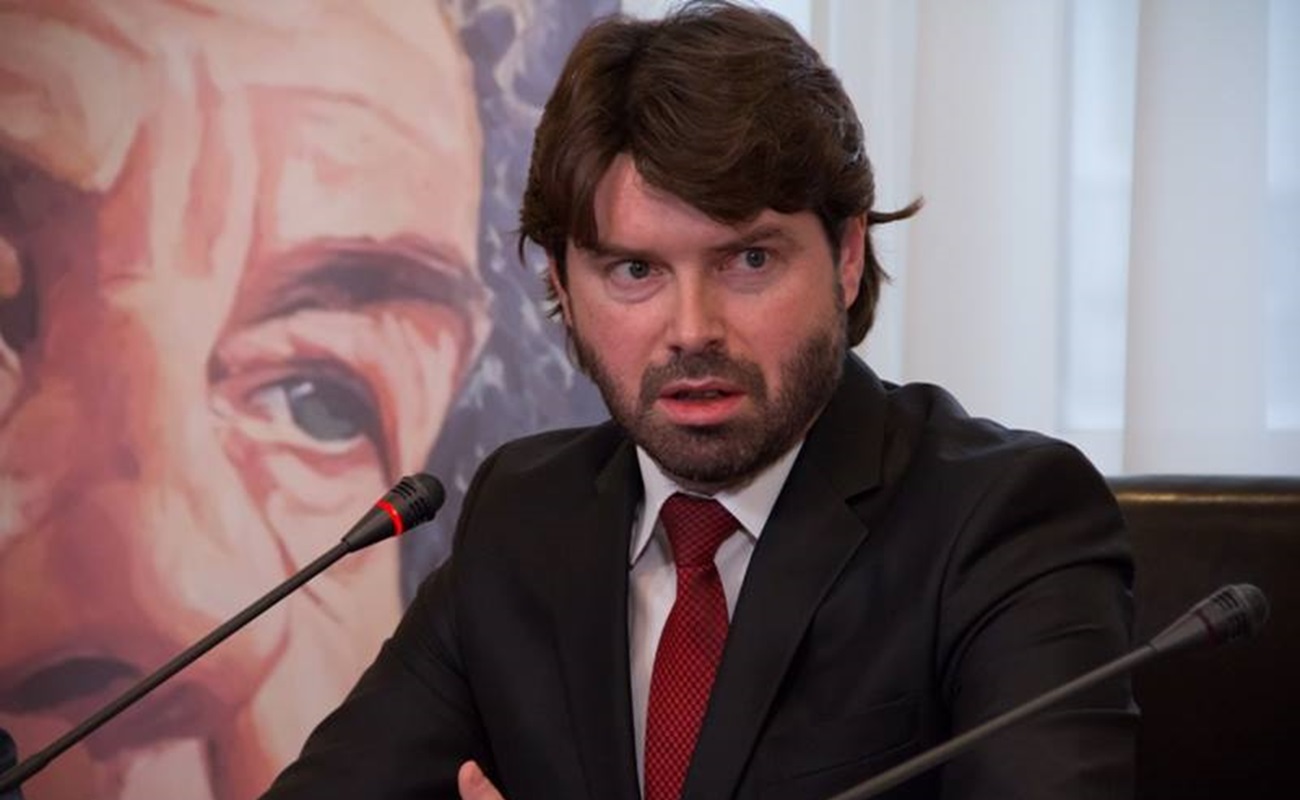
This Russian adaptation, however, presents a fresh challenge for Ukraine, creating an urgent need for more powerful electronic warfare (EW) systems capable of jamming such networked drones. Anatolii Khrapchynskyi, an expert in the field, emphasized this point:
"We need to return to building a 'Pokrova' (Canopy) EW system."He also stressed the importance of developing new countermeasures:
"As manufacturers, we are now actively working on creating tools that can counteract mesh networks."
Furthermore, Russia has modified its aerial attack tactics by deploying 'Gerbera' drones as carriers for smaller FPV (First-Person View) drones. The 'Gerbera' drone has a range of up to 640 km and costs approximately $2,000. This indicates that Russian forces are continuously seeking new methods to enhance the effectiveness and reach of their aerial operations.
Anatolii Khrapchynskyi also drew attention to military funding priorities in other nations, noting a global context of arms procurement:
"Look at Great Britain. The country stated that it needs ballistic missiles costing up to $1 million."This underscores the wider technological arms race occurring alongside the battlefield developments in Ukraine.
Thus, the Russian military's adaptation to new combat conditions illustrates the constant shifts in tactics and strategy that continue to influence the conflict's trajectory. In modern warfare, the application of new technologies and the ability to adapt to changing circumstances have become critically important. Russia has demonstrated a capacity for rapid tactical innovation in response to setbacks, which could alter the regional balance of forces. Concurrently, Ukraine must strengthen its own technological capabilities to counter the novel threats emerging on the battlefield, highlighting the vital importance of investment in military technology and the development of advanced electronic warfare systems for national security.
Read also
- Why Tiny Holes in Airplane Windows Are Vital for Passenger Safety
- A New BMW Headlight Now Costs the Same as a Used Lanos: How Car Lighting Has Transformed
- Russia Upgrades Iskander Missiles: Range Extended to 1,000 Kilometers
- Massive Outage Hits Facebook, Instagram, and Messenger: What's Happening Right Now
- Airbus and SkyFall Join Forces: A Strategic Alliance to Safeguard Ukraine's Skies
- New Story Expansion for S.T.A.L.K.E.R. 2 Announced by GSC Game World: Release Window Revealed