Kremlin’s Nuclear Blackmail Against Europe: Russia’s ‘Oreshnik’ Deployment in Belarus.

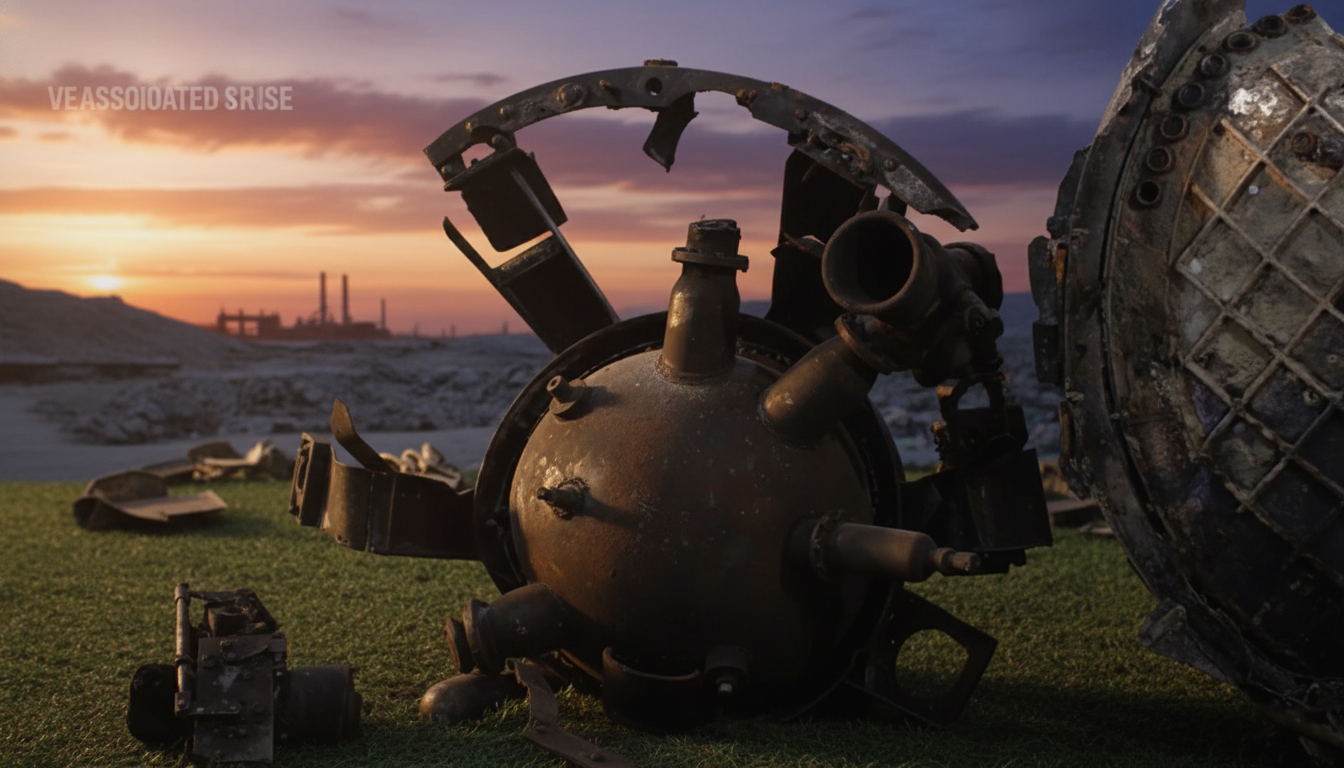
The 'Oreshnik' Missile System Situation
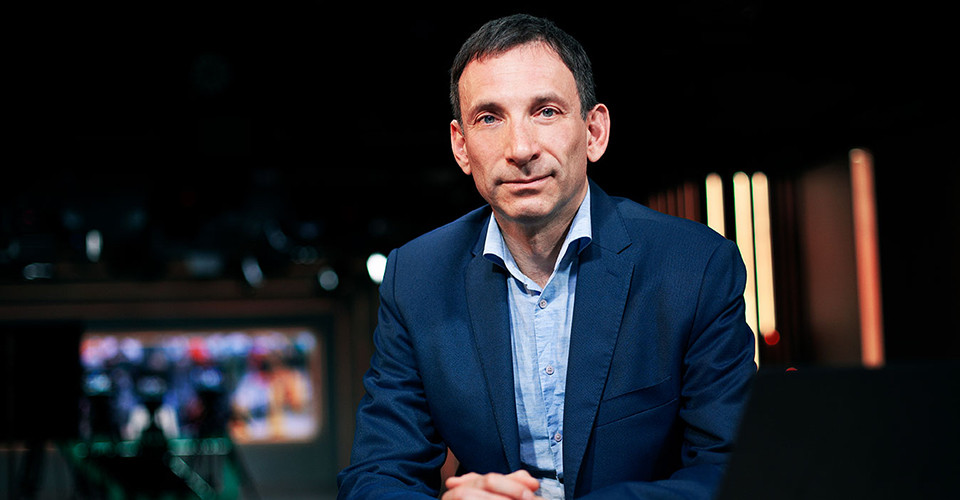
According to UATV: Europe is growing increasingly alarmed by Russia’s deployment of the 'Oreshnik' missile system in Belarus, which many view as a form of nuclear coercion. Franak Viačorka highlighted this as a direct threat to NATO member states. Alexander Lukashenko has confirmed that the 'Oreshnik' system is now on combat duty, further underscoring Moscow’s tight grip over Belarus.
Diplomatic Efforts and International Reactions
In response to these developments, Sviatlana Tsikhanouskaya met with European Commission President Ursula von der Leyen to address the regional situation. Meanwhile, Volodymyr Zelenskyy visited Warsaw on December 19, signaling a push for intensified diplomatic action by Ukraine and its allies against emerging threats.
Ukraine had previously alerted both European and American partners about Russia’s plans to station the 'Oreshnik' in Belarus, stressing the need for a coordinated international response. Viačorka noted that this move violates nuclear non-proliferation agreements, posing a serious challenge to global security.
'Only then can we talk about any security' - Franak Viačorka
As a result, the 'Oreshnik' missile issue has become a critical topic on the global stage, with the potential to reshape stability in Europe and regional diplomatic relations.
The activation of Russia’s 'Oreshnik' missile system in Belarus highlights the escalating tensions between Moscow and Western nations, while intensifying security concerns across Europe. How European leaders and NATO respond to this situation could determine the region’s future trajectory.
The stepped-up diplomatic efforts by Ukraine and its partners reflect a clear recognition of the threat’s severity and the urgent need for collective action to preserve stability in Europe.
Read also
- Zelenskyy Nominates Koretskyi as New Prime Minister in a Bid to Reshape Government
- In Response to Russian Threats, France and Poland Launch Joint Nuclear Security Initiative
- Ukraine's Parliament Ousts Svyrydenko's Cabinet: What Comes Next
- Russia Loses 7,000 Soldiers Weekly as New Recruits Survive Just 30 Minutes on the Frontline
- Estonia Warns of Putin’s Trap at Negotiations; Zelensky Calls for 21st Sanctions Package
- EU Opens Sixth Negotiation Cluster for Ukraine’s Membership: What Comes Next