Romania Accused of Promoting Violence at Eurovision: Song Repeats 'Choke Me' 30 Times.

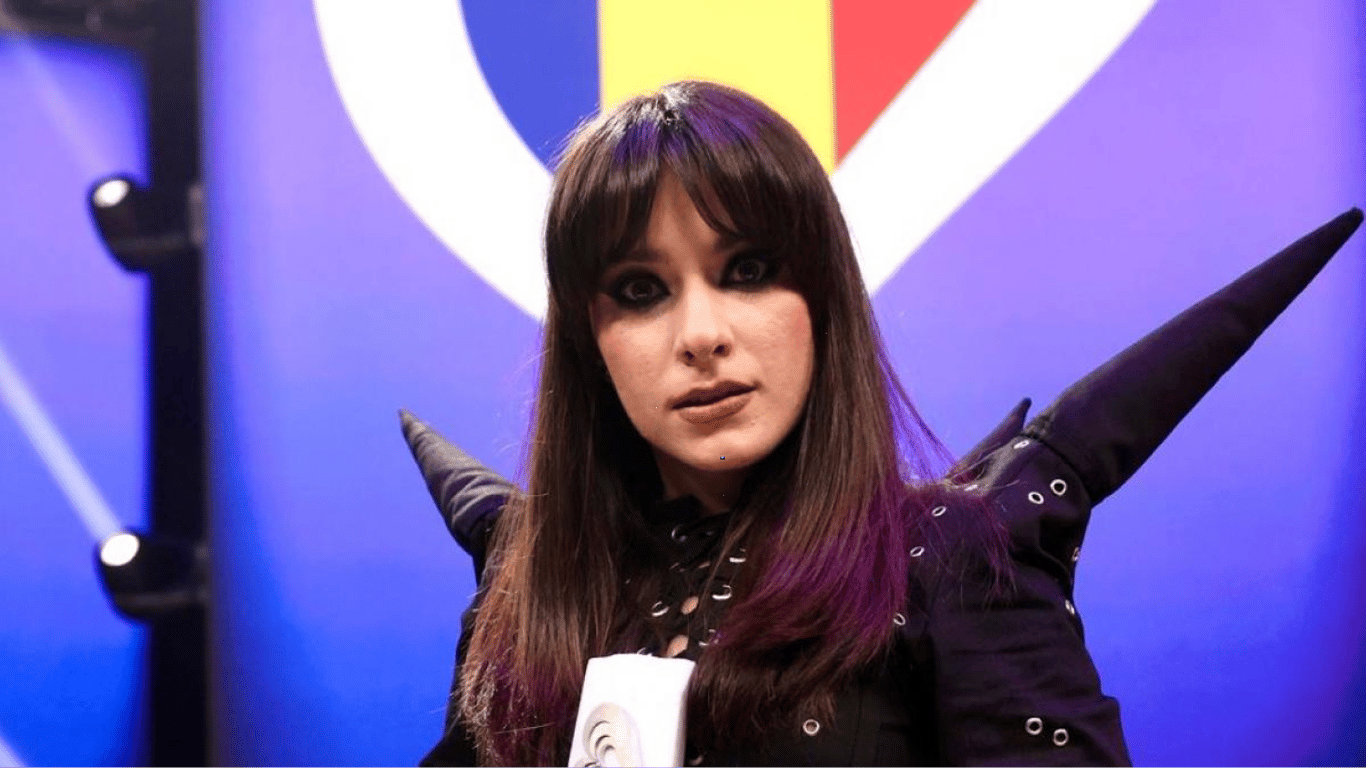
Controversy Surrounds Romania's 2026 Eurovision Entry
According to Novyny.live: Romania is facing backlash over its selected song for the Eurovision 2026 competition, which critics say contains dangerous messages related to strangulation. Activists are demanding the track be withdrawn or its lyrics revised. Performed by Romanian contestant Alexandra Capitanescu, the phrase 'choke me' is repeated more than 30 times over the course of three minutes. Concerns have been raised that the song's content could have serious implications for listeners' well-being.
Reactions and Consequences
Claire McGlynn, a law professor at Durham University, has voiced alarm over the choice. She stated:
“The song—and its selection by Romania and Eurovision, as well as its promotion by these organizations—represents a reckless normalization of a dangerous practice. This will quickly backfire on the lives of young women.”
Her remarks underscore the gravity of the situation and the need for a response to such incidents.
Amid this controversy, Romania may decide to withdraw from Eurovision altogether. Meanwhile, betting agencies have updated their predictions:
- Finland is ranked first
- Ukraine is in tenth place
Additionally, Roland Weißmann, director general of Austria's national broadcaster ORF, has resigned amid allegations of sexual harassment, and Sweden's representative Felicia has expressed opposition to Israel's participation in Eurovision.
The uproar over Alexandra Capitanescu's song has sparked intense debate, which could significantly influence Romania's next moves within the competition.
This situation highlights the importance of selecting responsible content for public performances, especially on major platforms like Eurovision. As sensitivity around mental health and physical violence grows, the reaction to this song may serve as a critical signal for revising the standards used in selecting competition entries. At the same time, events surrounding Eurovision continue to unfold, reflecting broader social and cultural discussions across Europe.
Read also
- Woman Faces Up to 7.5 Years in Prison After Attacking Children for Speaking Ukrainian in Poland
- One of the Most Recognizable Voices on Ukrainian Radio, Journalist Oleksandr, Has Passed Away
- Crimean Tatars Reclaim Their True History: How Valery Vozgrin’s Work Dismantles Russian Myths
- Ukraine's Birth Rate Drops 16%: Deaths Outnumber Births by Three to One in First Half of 2026
- Real Combat Readiness: How the National Guard's 'Scythian' Brigade Trains Its New Recruits
- Poetry, Music, and Remembrance: Honoring Olena Teliha at Babyn Yar