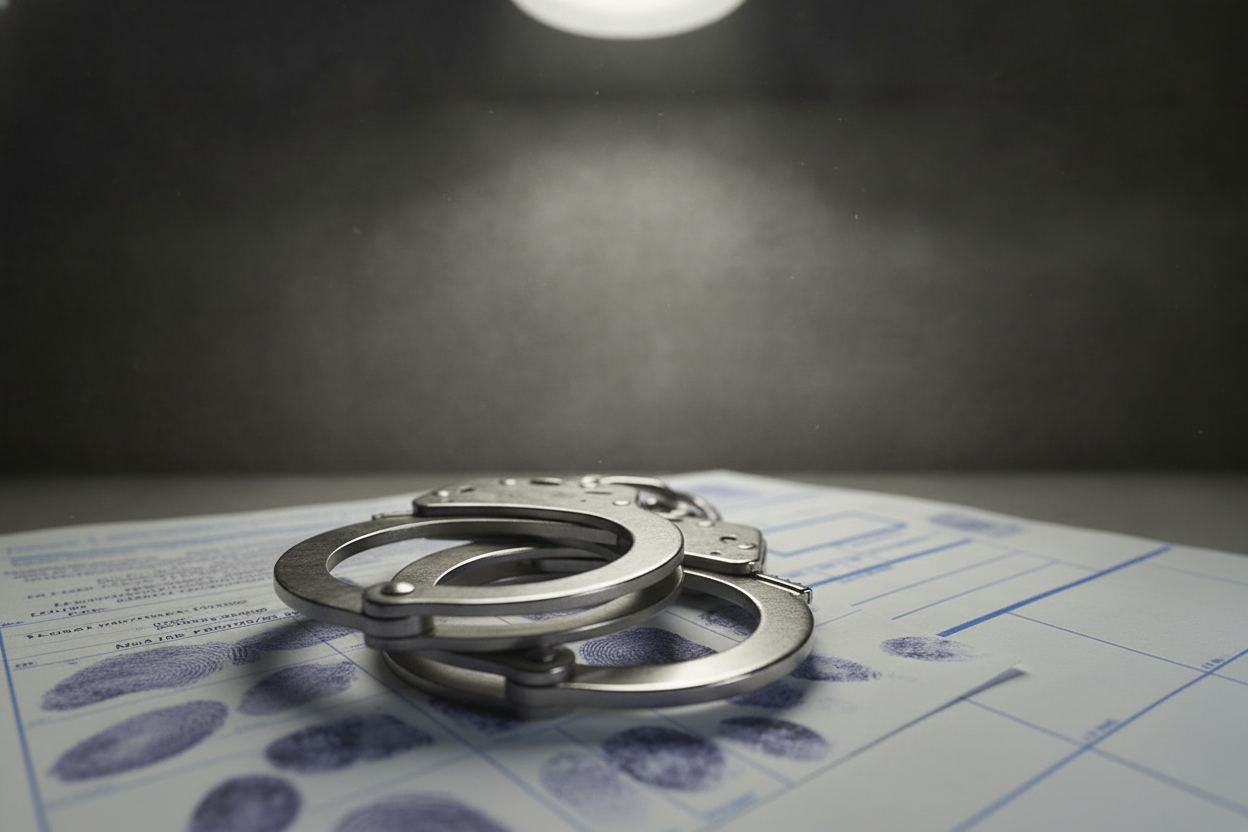
How to Spot a Fraudulent Call: Criminals Impersonating Banks and Police.


Protect Yourself from Scammers Posing as Banks and Police
According to Novyny.live: Ukraine is experiencing a significant rise in fraudulent phone calls, where criminals impersonate bank employees, police officers, or other officials. These scams rely on emotional pressure to trick victims into revealing confidential data or transferring money. Public awareness is a key defense, making it crucial to know how to identify these dangerous calls. This type of social engineering scam is a growing global threat, not just a local issue.
Common Scammer Tactics
Scammers often call Ukrainians while pretending to be from a bank. They use urgent phrases like 'We're calling from your bank, please confirm your details' or 'Your card has been blocked, please read the SMS code.' The goal is to create a sense of immediate fear and pressure the victim into sharing personal information. A vital rule to remember is that legitimate banks will never ask you to verify sensitive personal data over an unsolicited phone call.
Another frequent tactic involves impersonating police officers or Security Service of Ukraine (SBU) agents. They may claim, 'This is the police, your data has been used by fraudsters' or 'We can help you recover lost funds.' These methods are also designed to prompt hasty actions that lead to financial loss or data theft.
One classic high-pressure scheme is the emotional distress call, using a line like: 'Your child or relative is in trouble, send money immediately.' Such calls often induce panic, leading people to act impulsively and become vulnerable to fraud. Consumer rights expert Lyudmyla Sandita warns:
'This is a direct sign of fraud.' Lyudmyla Sandita
She further emphasizes that 'genuine law enforcement officers will never call with such demands.'
To avoid falling for these schemes, it is essential to remember that your CVV—the three-digit security code on the back of your bank card—should never be shared with anyone. You should also avoid installing unknown applications or clicking on links sent by unknown callers.
Given these threats, it is critical to remain cautious and skeptical of any call that raises suspicion. The security of your finances and personal data ultimately depends on your vigilance and awareness.
With the increasing volume of scam calls in Ukraine, citizens must treat every suspicious call with extreme caution. Public education and information campaigns about fraud tactics can significantly reduce the risk of becoming a victim. Authorities and financial institutions must actively collaborate to ensure a safer environment for their clients by implementing awareness campaigns about these risks.
Read also
- 24 Children Rescued from Occupied Territories by Save Ukraine, Including Injured 13-Year-Old Anhelina
- Woman Faces Up to 7.5 Years in Prison After Attacking Children for Speaking Ukrainian in Poland
- One of the Most Recognizable Voices on Ukrainian Radio, Journalist Oleksandr, Has Passed Away
- Crimean Tatars Reclaim Their True History: How Valery Vozgrin’s Work Dismantles Russian Myths
- Ukraine's Birth Rate Drops 16%: Deaths Outnumber Births by Three to One in First Half of 2026
- Real Combat Readiness: How the National Guard's 'Scythian' Brigade Trains Its New Recruits