Comedians in Saudi Arabia: Why They Are Accused of Collaborating with a Dictatorship.

Criticism of American Comedians in Saudi Arabia
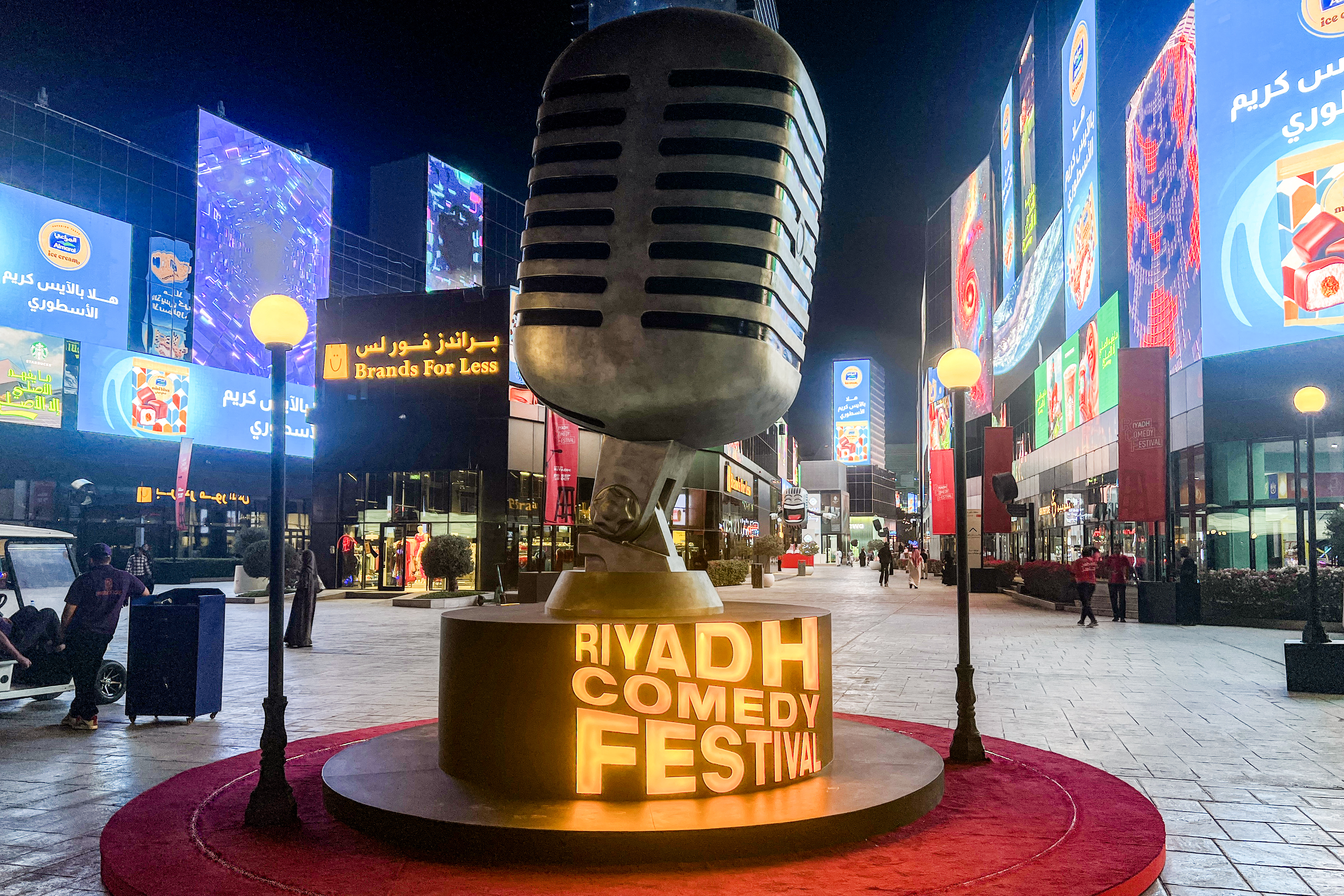
According to Vox: This month, comedians such as Dave Chappelle, Kevin Hart, Pete Davidson, and Bill Burr visited Saudi Arabia to participate in the first comedy festival in Riyadh. The organizers assure that this is the largest comedy festival in the world, featuring over 50 international comedians in the genres of stand-up, sketch, and improvisation. The festival was funded by the Saudi government as part of efforts to enhance investments in the local economy and improve the global image.
However, the reputation of the Saudi regime regarding human rights has sparked outrage among other performers, such as Marc Maron, David Cross, and Atsuko Okatsuka. They accused their colleagues of helping to 'put a funny face on their [Saudi Arabia's crimes]' during their performances.
This situation is also seen as hypocrisy: many comedians who attended the festival have previously complained about restrictions on freedom of speech in the USA. On stage in Riyadh, Dave Chappelle joked:
“It's easier to talk here than in America.”
Restrictions on Freedoms in Saudi Arabia
However, as Abdullah Aloudah, senior director of the Democracy Center in the Middle East notes, freedom of speech in the kingdom remains an illusion. There is a law regarding terrorism that classifies inquiries about the wisdom of the king or heir as a terrorist act. Another law on 'anti-cybercrime' criminalizes any activity that the government deems a threat to public order or peace. These laws have led to the imprisonment of thousands of people, including former humanitarian worker Abdulrahman Al-Sadhan, who is currently serving a 20-year sentence for tweets joking about the Saudi government.
Comedians' Impressions of the Festival
Many festival participants described their performances as a cultural exchange, believing they were 'bringing comedy to people who don't have much stand-up.' They assured that they 'didn't have to censor themselves,' although in reality, they agreed to a contract prohibiting any criticism of the Saudi government or religion. Some emphasized that women and youth attended their shows, not just members of the royal family. For instance, Bill Burr noted that they made quite explicit jokes.
Comedians shared videos showing them being greeted with flowers, surrounded by food, and provided with red carpets, which many feel helps them feel like celebrities.
Reactions to the Comedians' Performances
Interestingly, the criticism wasn't limited to the audience but included people like Marc Maron. In a few months, this issue may impact the reputation of comedians like Pete Davidson, although it remains open whether it will truly have consequences for their careers. However, it is important that comedians have begun to express their position. Previously, they often ignored similar criticism, but the current situation could significantly change their approach.
Comedy has a complex ethics, and many controversies related to racism and other issues are usually not open to discussion in these circles. However, the reaction to the events in Riyadh showed that comedians and their supporters are ready to discuss important matters.
Read also
- Three Ukrainians Without Documents Rescued from Occupied Territories Under Bring Kids Back UA Initiative
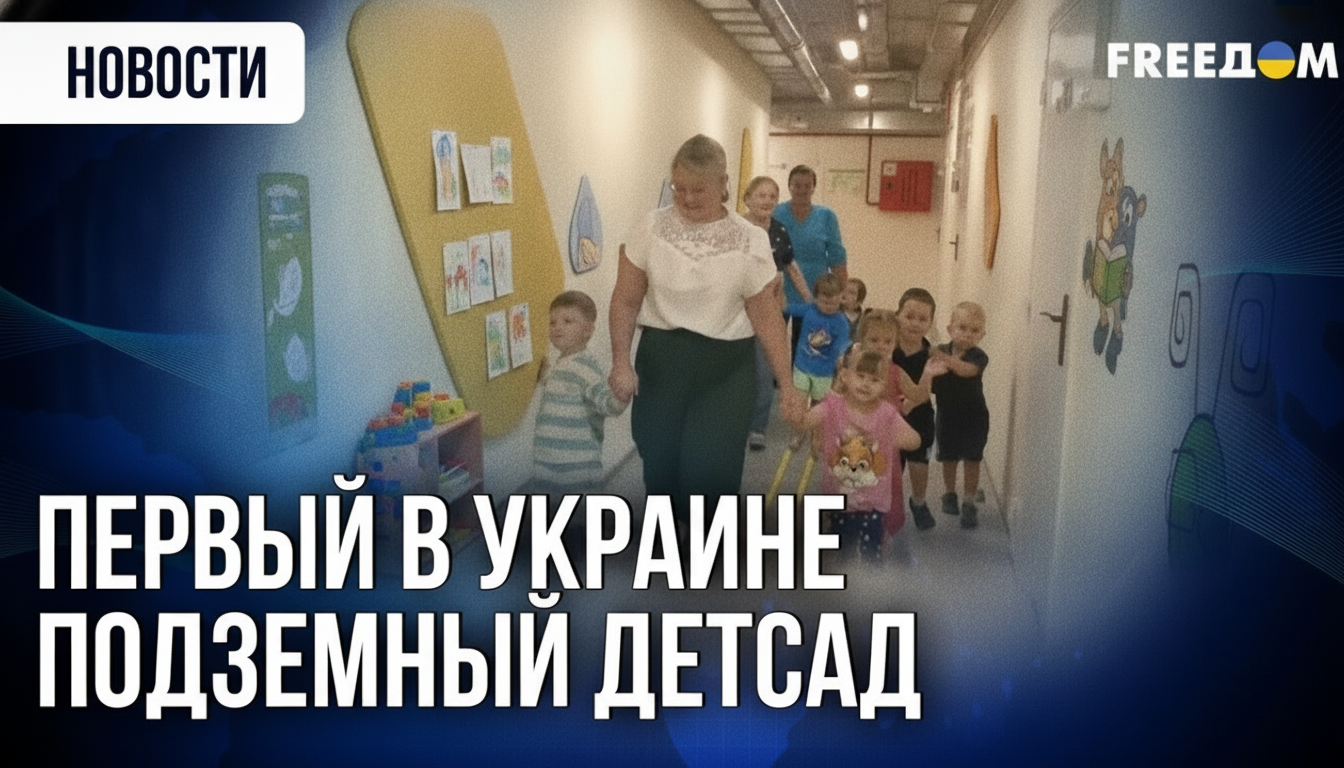
- Ukraine’s first underground kindergarten opens in Kharkiv, accommodating 260 children
- Ukraine's ports crippled by Russian strikes: 28 vessels hit, 21 killed
- 24 Children Rescued from Occupied Territories by Save Ukraine, Including Injured 13-Year-Old Anhelina
- Woman Faces Up to 7.5 Years in Prison After Attacking Children for Speaking Ukrainian in Poland
- One of the Most Recognizable Voices on Ukrainian Radio, Journalist Oleksandr, Has Passed Away