







Hungarian FM Accuses Zelenskyy of Lying Over Cancelled Kyiv Visit.

Szijjártó and Zelenskyy dispute

Ukraine-Hungary Diplomatic Dispute

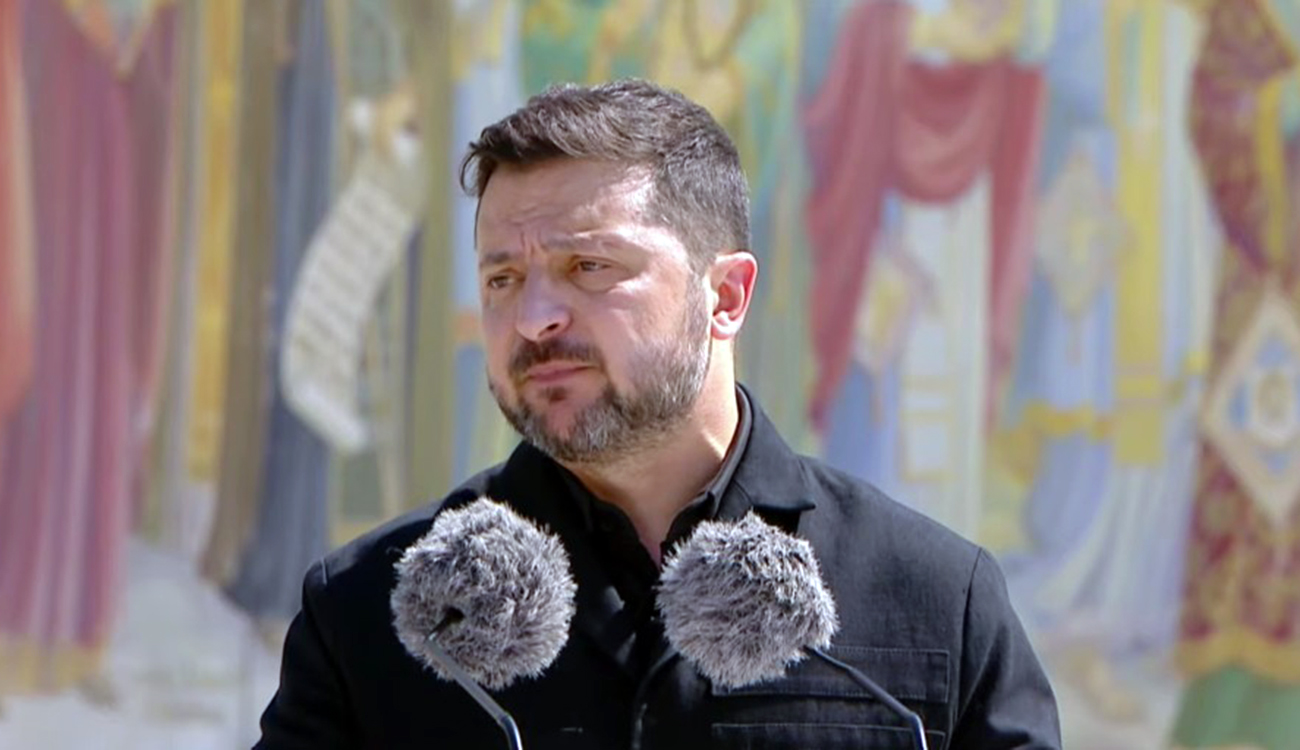
According to TSN.ua: Hungarian Foreign Minister Péter Szijjártó has accused Ukrainian President Volodymyr Zelenskyy of lying about a planned Hungarian delegation visit to Kyiv. Szijjártó claims Zelenskyy was untruthful in stating he was unaware of the delegation. Official documents reportedly indicate that the Ukrainian side had informed Hungary it could not host the delegation on the proposed dates.

The Hungarian delegation, led by Gábor Czepek, had intended to travel to Kyiv. However, despite Hungary's plans, Ukraine stated it was unable to arrange to receive the group at the specified time. This issue has become a point of contention, further straining relations between the two nations. This dispute occurs within a broader context of ongoing political friction between Ukraine and Hungary, a NATO and EU member that has maintained closer ties with Russia.

Investigative Commission and Energy Security

Simultaneously, the Hungarian government has established a special investigative commission to assess the condition of the 'Druzhba' oil pipeline. Slovakia has also agreed to join this commission, highlighting a shared interest in addressing energy security concerns. This joint initiative on energy infrastructure stands in contrast to the diplomatic tensions over the cancelled visit.

It is noted that the Hungarian delegates planned to cross the border under the standard Schengen zone rules, utilizing the visa-free regime. This underscores that the visit was intended to proceed within existing international frameworks. The situation continues to develop, with the next steps from both countries remaining unclear.

The conflict over the delegation's visit signals a further deterioration in bilateral relations, which have already been tested by various political and economic issues. Meanwhile, the collaborative effort regarding the 'Druzhba' pipeline may indicate an attempt by both nations to find common ground on energy matters—a crucial aspect for regional stability and security. Observing these developments, it is important to consider how such disputes might impact broader cooperation between the two states.


Read also

Advertising