





Sikorski on the War's Outcome: A Test of Endurance and Resources.
Address by Radosław Sikorski
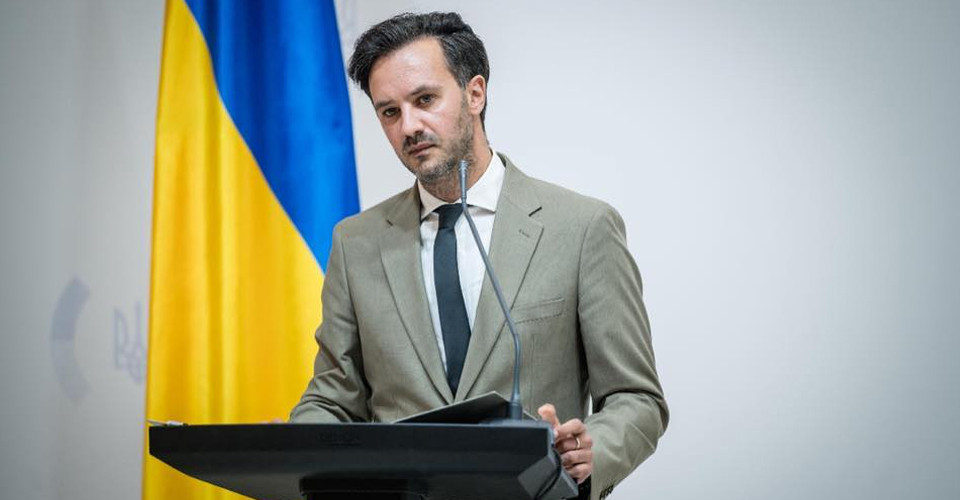
According to TSN.ua: Speaking at the Munich Security Conference, Poland's Foreign Minister Radosław Sikorski argued that the war between Russia and Ukraine will ultimately be decided by which side's resources and stamina give out first. He stressed that economic stability, not just military might, is a critical factor for both parties in the conflict.
Sikorski framed the central question of the war as, 'Who will break first?'. This reflects his view that the outcome hinges on the endurance and material capacity of each nation. He also addressed Russian President Vladimir Putin's claims of desiring peace.
“Putin says he wants peace, and in a sense… every dictator and every conqueror wants peace: if you surrender and capitulate, you will have peace. But the question is, on what terms,”
Radosław Sikorski
Furthermore, the Polish Foreign Minister emphasized that the real issue is when Putin will exhaust the resources needed to continue the war. He pointed to 'cracks beginning to show in the Russian economy,' suggesting the aggressor may face growing difficulties in sustaining its military campaign. The Munich conference is a major annual forum where global security leaders discuss pressing international challenges.
- Mounting problems accumulating for the aggressor state.
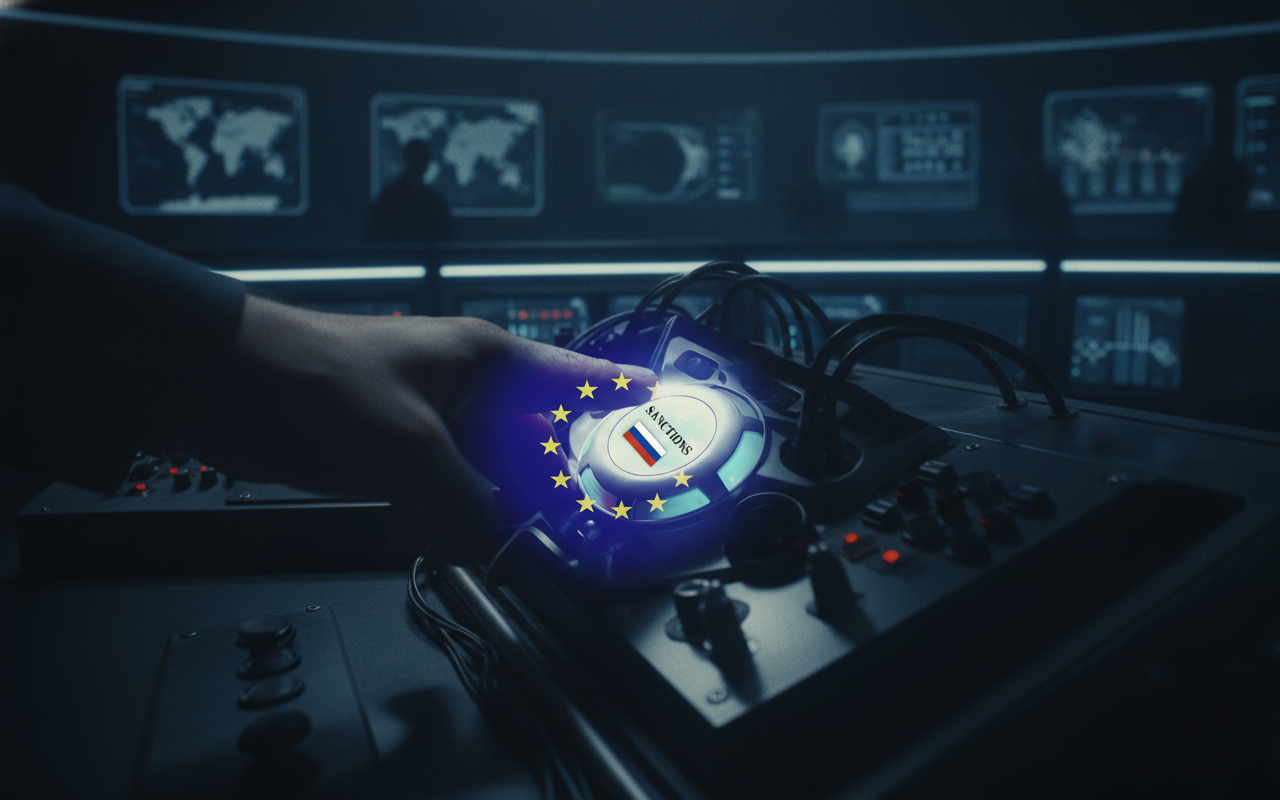
- The necessity of intensifying economic pressure on the Kremlin.
Sikorski believes that completely halting revenue from Russian gas and oil sales to the state budget could be a crucial step in degrading Russia's resource capacity. This underscores the importance of sustained international support for Ukraine, which can help bolster its position in the conflict.
Conflict Outlook
Sikorski's Munich address highlights the pivotal role of resource endurance in the Russia-Ukraine war, indicating that economic stability is as critical as military strength for both sides. His comments on Russia's potential economic troubles suggest the conflict's dynamics could shift if Western nations successfully increase pressure on the aggressor, potentially altering the course of events significantly.
Maintaining strong ties with international allies remains vital for Ukraine as it works to strengthen its position amid the ongoing war.
Read also
- Eleven EU Nations Push Brussels to Curb Schengen Visas for Russians
- EU Commissioner Urges €90 Billion in Arms for Ukraine to Strengthen Defenses
- Russia Can't Launch Major Attack on NATO but Is Preparing Provocations, Says Polish Foreign Minister
- Orban Urges Europe to Lift Russian Energy Sanctions, Citing Risk of Crisis
- Polish Minister Sikorski Delivers Scathing Rebuke to Orbán Over Pro-Moscow Stance
- Brussels Demands Answers After Szijjártó Allegedly Shared EU Closed-Door Talks with Lavrov