Ukrainians may be deprived of inheritance in 2025: who risks losing property.


Inheritance is a very delicate topic that often causes quarrels and conflicts in the family. It seems that having a will could prevent disputes over property, but in reality, it is not that simple. Even those who seem to have an undeniable right to inheritance can be excluded from it. This is possible under the law, but only under certain conditions and with evidence.
The article 1224 of the Civil Code of Ukraine states why Ukrainians may lose their inheritance in 2025.
Why a person may be deprived of the right to inheritance
After the death of a loved one, real battles for property often begin, with some heirs resorting to various tricks to obtain a larger share. Sometimes unexpectedly, children appear who the deceased has not seen for years, who did not help them and might have even caused moral or physical harm. In such cases, the question arises: how can they be deprived of their inheritance rights?
According to the legislation, heirs can be individuals who were alive at the time of the opening of the inheritance, as well as children conceived before death, but born after the opening of the inheritance. According to the will, heirs can even be legal entities or other participants in civil relations.
Who has a mandatory share of inheritance
The testator has the right to freely dispose of their property and determine the heirs in the will. However, the law protects certain categories of persons, guaranteeing them a mandatory share of inheritance, regardless of the testator's wishes. These include:
- minor children;
- underage children;
- non-working parents;
- non-working husband or wife;
- adult children who cannot work due to health reasons.
These heirs have the right to at least half of the share they would receive by law, even if the will distributes the property differently. This right does not require the consent of other heirs and does not depend on whether they lived with the testator.
If other heirs do not agree, they can contest this decision in court. It is important to know that the testator cannot deprive these heirs of their mandatory share. The part of the will that contradicts this rule is recognized as invalid, but other provisions remain in force.
Under what conditions a person loses the right to inheritance
A person can be deprived of inheritance if they acted dishonestly towards the testator. In this case, their share transfers to other heirs. Deprivation of rights occurs only after the death of the testator and only by court decision. The grounds for exclusion from inheritance may be as follows:
- Interference with the drawing up or amendment of the will, which led to obtaining the inheritance.
- Refusal of the heir to help a helpless person — the state of helplessness may arise due to age, illness, or disability.
- Murder or attempted murder of the testator or a potential heir (exceptions — children under 14 years old or persons declared legally incompetent, and accidental killings).
- Deprivation of parental rights and failure to restore them before the testator's death, or evasion of supporting the testator as established by the court.
- Recognition of marriage as invalid by the court (in particular, if the marriage is annulled after the death of one spouse, the court may leave the right to inheritance to the other, if they were unaware of its invalidity).
Even individuals who are not close relatives can defend their rights in court if their interests are violated due to an invalid marriage or other circumstances.
The information provided in article 1224 of the Civil Code of Ukraine reveals important aspects of inheritance, considers the rights of various categories of heirs and the conditions under which a person may be deprived of inheritance rights. This helps everyone better understand their rights and obligations in the field of inheritance law and avoid possible conflicts and disputes within the family or among heirs.
Read also
- Three Ukrainians Without Documents Rescued from Occupied Territories Under Bring Kids Back UA Initiative
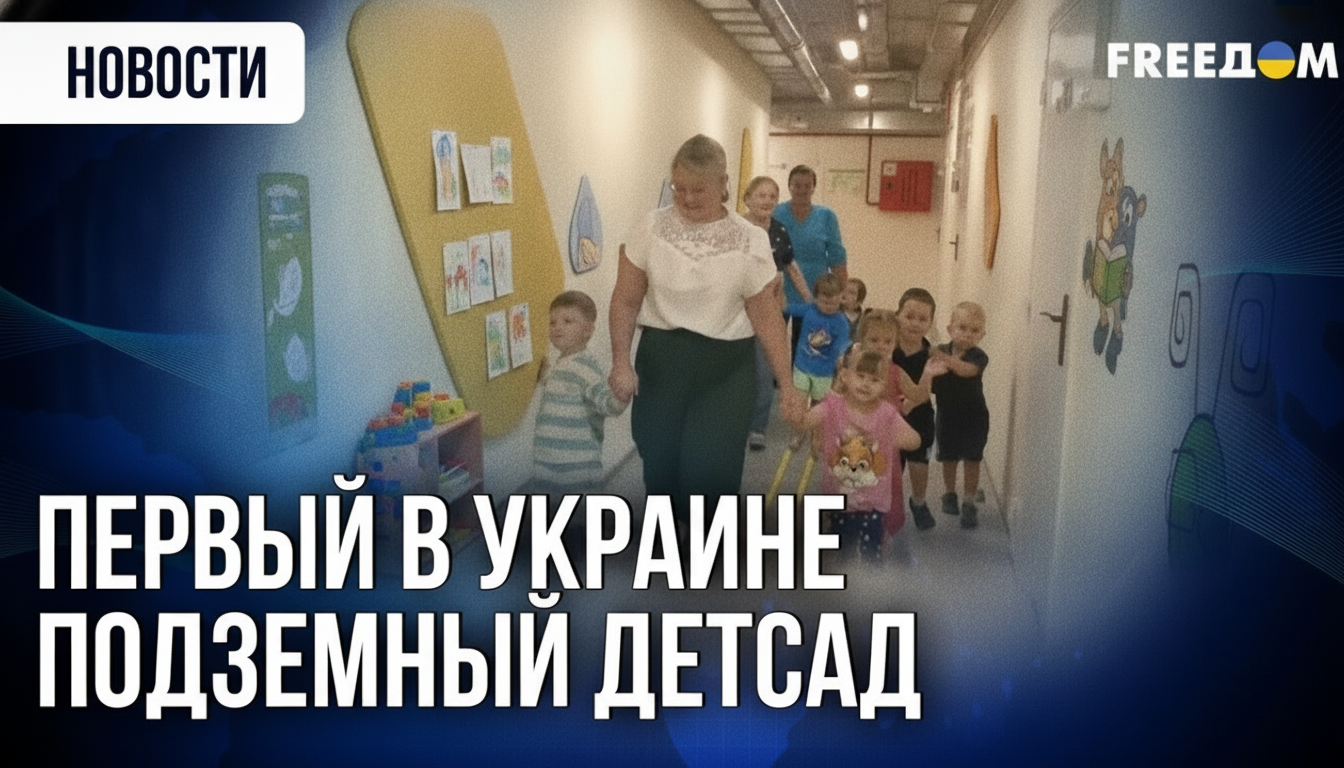
- Ukraine’s first underground kindergarten opens in Kharkiv, accommodating 260 children
- Ukraine's ports crippled by Russian strikes: 28 vessels hit, 21 killed
- 24 Children Rescued from Occupied Territories by Save Ukraine, Including Injured 13-Year-Old Anhelina
- Woman Faces Up to 7.5 Years in Prison After Attacking Children for Speaking Ukrainian in Poland
- One of the Most Recognizable Voices on Ukrainian Radio, Journalist Oleksandr, Has Passed Away