









Advertising


Advertising




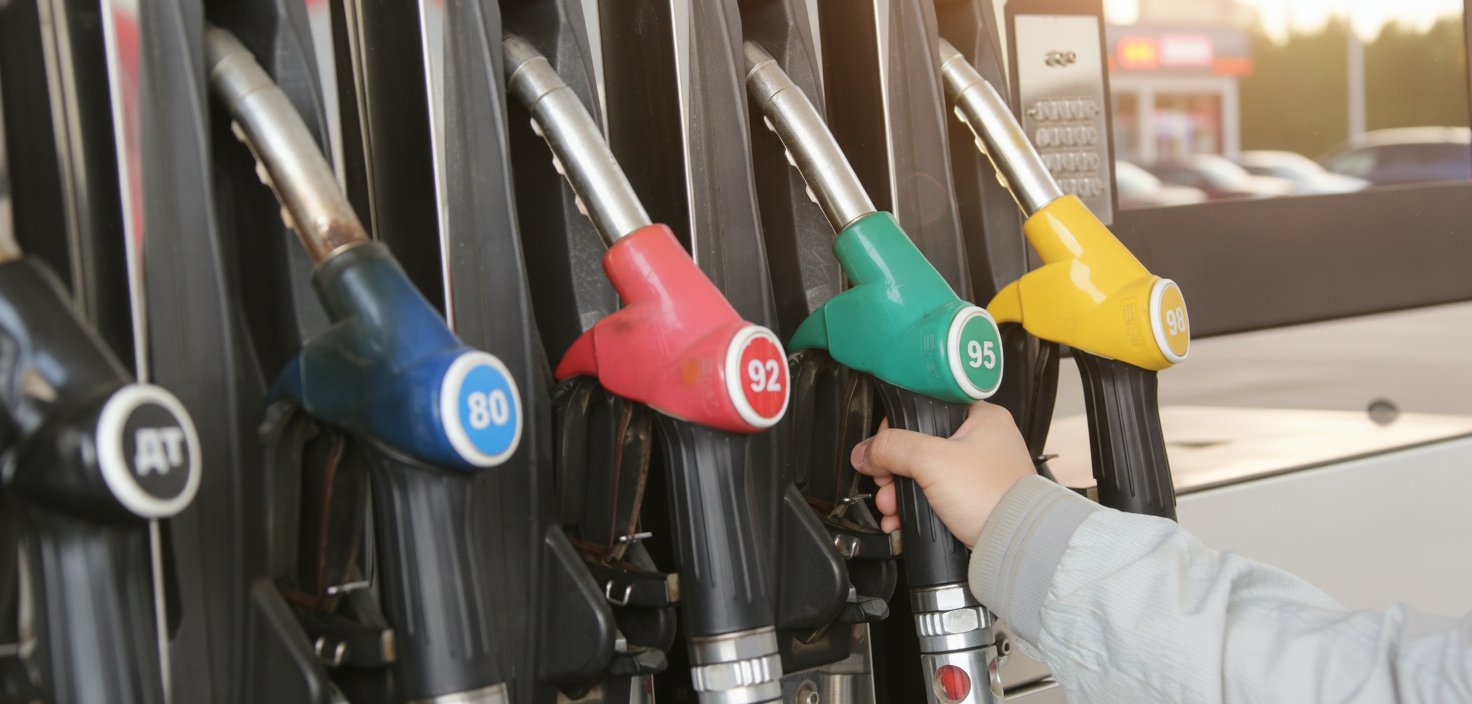
Fuel Crisis Drives Russians to Cross into China for Gasoline
Russia's Fuel Crisis Worsens In Russia's Zabaykalsky Krai, advertisements are now promoting car refueling trips to China as the country's fuel crisis, which escalated in late May, continues to deepen. The shortage of gasoline began during this period and has become a severe challenge for drivers. Sa...
today, 09:36
305


Horoscope
LIFESTYLE
Tourism







Tech
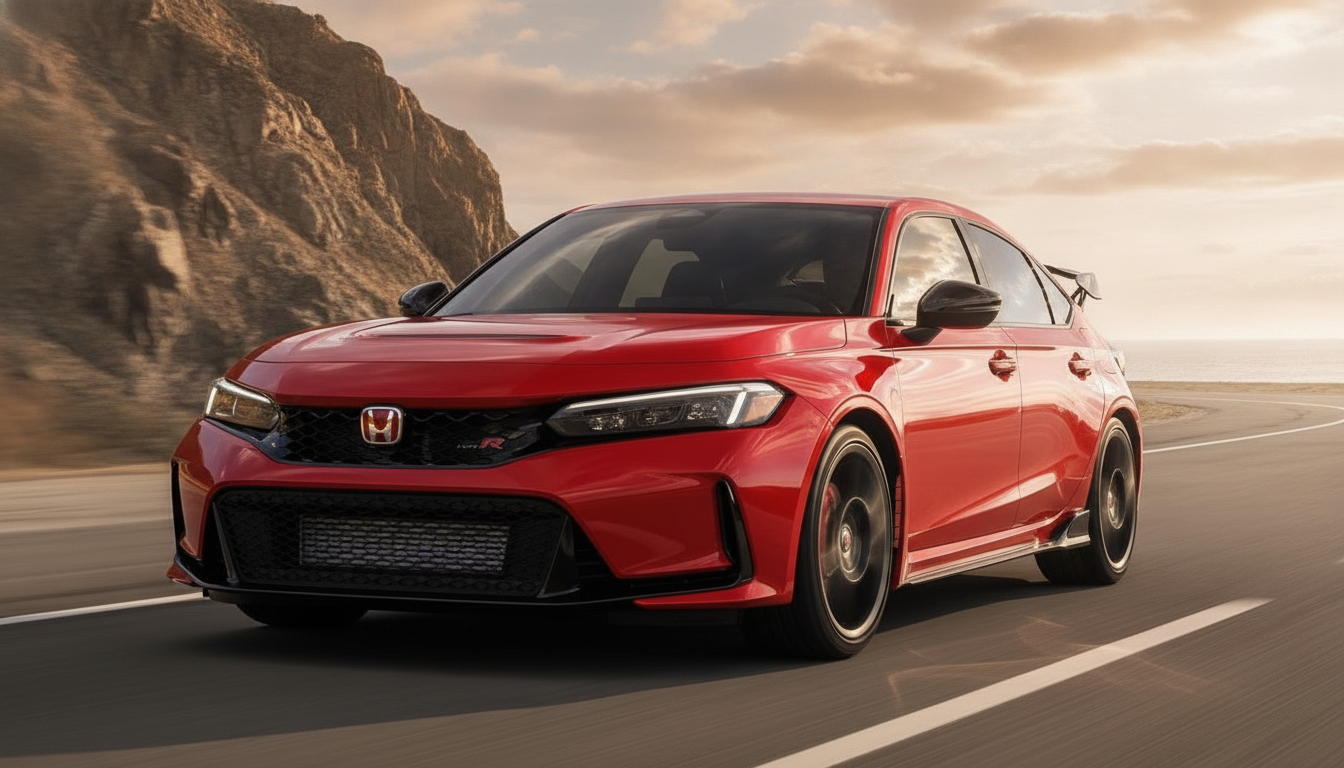

Still Shifting: The 10 Most Powerful Manual Cars You Can Buy in 2025
today, 08:31
297
OLED vs. Mini LED TVs: Which One Is Better and What Sets Them Apart?
today, 07:20
329
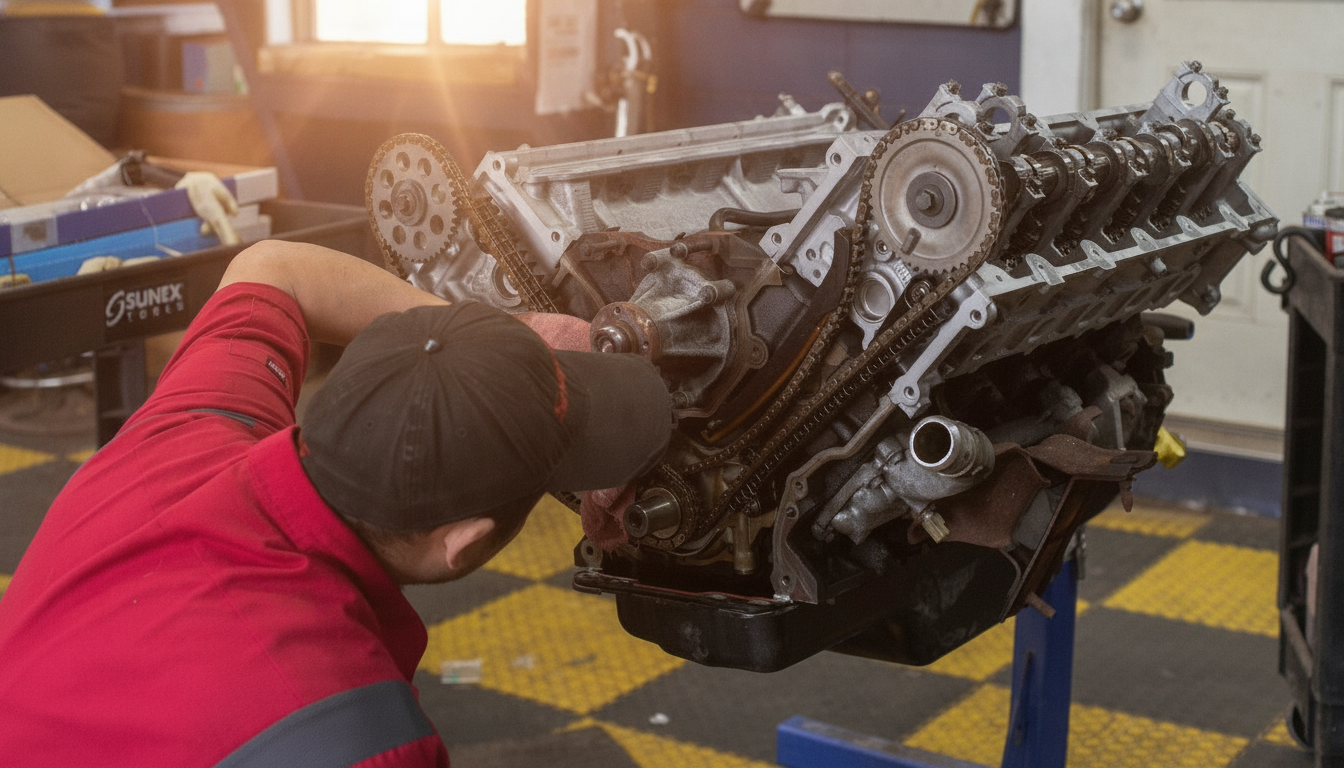
Why High-Mileage Cars Burn Oil and the Dangers of Ignoring the Issue
today, 06:06
331
Society




2026 Back-to-School Grant: Families to Receive 5,000 UAH per Child
today, 07:00
323
Showbiz


John Cena Stars in Netflix’s Dark Comedy 'Brother': Plot and Premise Explained
yesterday, 09:12
462

Sports



Neymar Hints at National Team Retirement After Norway Defeat
today, 05:12
371


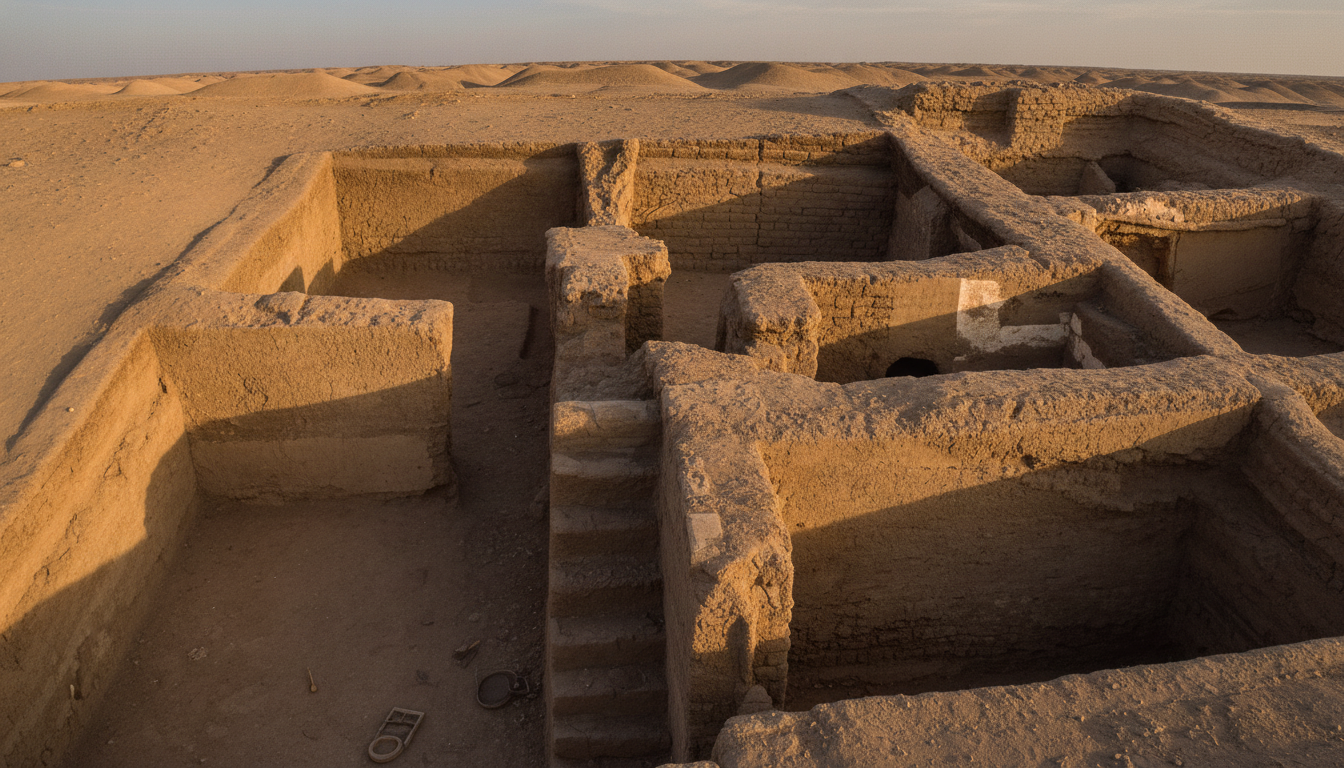
Fourth-Century Byzantine City with Rare Church and Coins Unearthed in Egypt
yesterday, 22:30
374
How a Giraffe Gifted to Paris by Egypt’s Viceroy Transformed European Fashion
yesterday, 22:00
382