Champion Military Dogs Provide Vital Rehabilitation for Wounded Ukrainian Soldiers.

The Role of Service Dogs in Soldier Rehabilitation
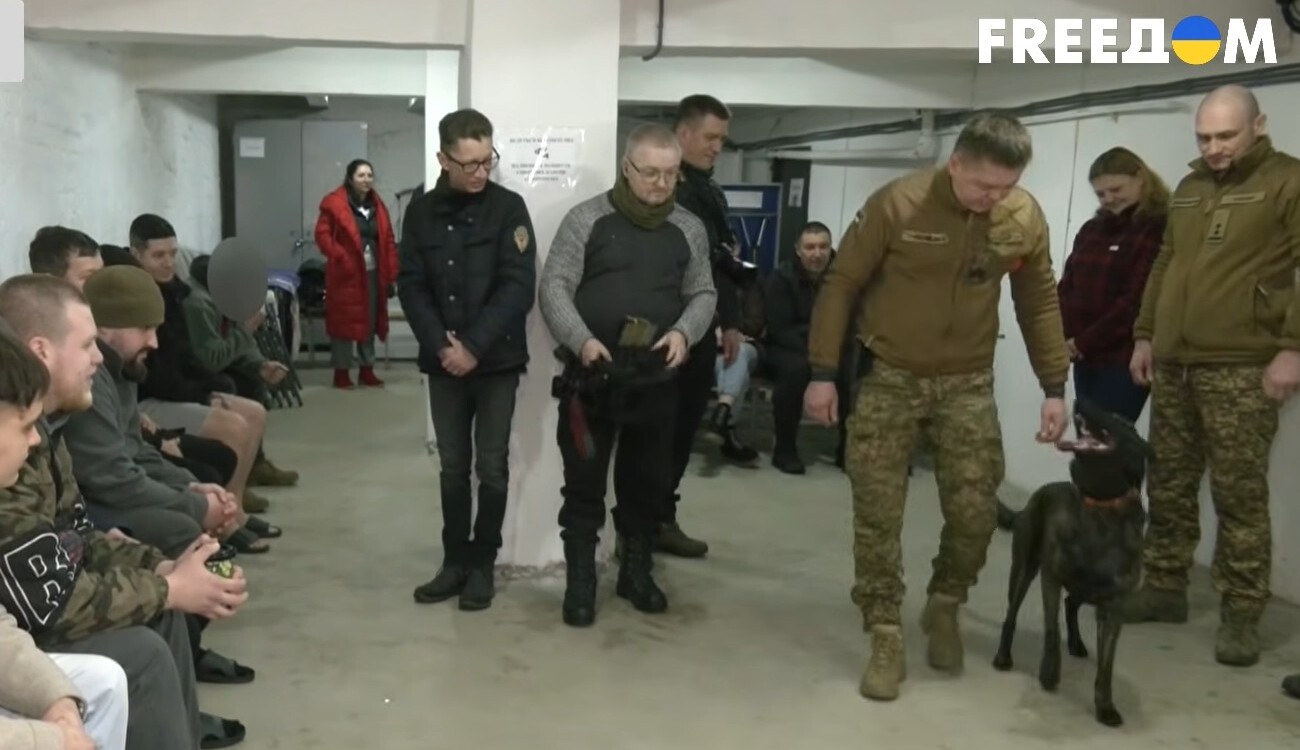
According to UATV: Within Ukraine's National Guard, the service dogs of the 5th Special Slobozhanska 'Scythian' Brigade are playing a crucial part in the recovery of wounded defenders, offering both therapeutic treatment and emotional support. Among these four-legged heroes are two national champions in service dog competitions: a Belgian Malinois named Bigi and a Dutch Shepherd called Slim.
Teimur Bakhyshev, head of the brigade's special canine unit, emphasizes the significance of canine interaction for military personnel. For many soldiers who have endured traumatic events, engaging with these animals has become a vital component of their rehabilitation journey.
'The care, emotional relief, and contact with these four-legged helpers is no less important than physical treatment,' says Yevhen, a 32-year-old UAV pilot.
Yevhen, who was wounded at a position in the Kharkiv region, finds that his interactions with the dogs aid his emotional recovery as much as his physical healing. Canine-assisted therapy is an increasingly recognized practice in military medicine worldwide for addressing both physical and psychological wounds.
The Psychological Impact of Animal Interaction
Specialists involved in the program also note the positive psychological effects this animal interaction has on service members. 'We observe and document that contact with an animal carries a distinct psychotherapeutic and rehabilitative effect,' states Stanislav Kuznetsov, who works on defender rehabilitation.
This support enables soldiers to recover not just physically, but emotionally—an outcome of immense importance during the extreme stresses of wartime. The interaction between troops and service dogs underscores the value of a holistic rehabilitation approach that addresses both physical and psychological needs.
In an environment where many defenders confront post-traumatic stress disorder, the role of these canine companions becomes indispensable to their recovery. This initiative demonstrates how innovative treatment methods, including animal-assisted therapy, can significantly improve the quality of life for military personnel who have sustained physical and psychological trauma during the war.
Read also
- 150 Teens Already Employed in 2026: A Strong Start for Summer Youth Jobs
- War Transformed Her Life: Donetsk Teacher Creates Ukraine’s Largest Embroidered Shirt
- Kids Pick a Backpack in Seconds: What School Bags Must Offer in 2026
- Why Displaced Residents of Mariupol Face Barriers to Housing Compensation
- Kyiv Electric Train Prices Increase from July 22: Fare Will Rise to 37 Hryvnias
- Russia Fines Residents for Storing Gasoline in Garages Amid Fuel Shortages