The Synaxis of the Three Hierarchs: Prohibited Acts on January 30.

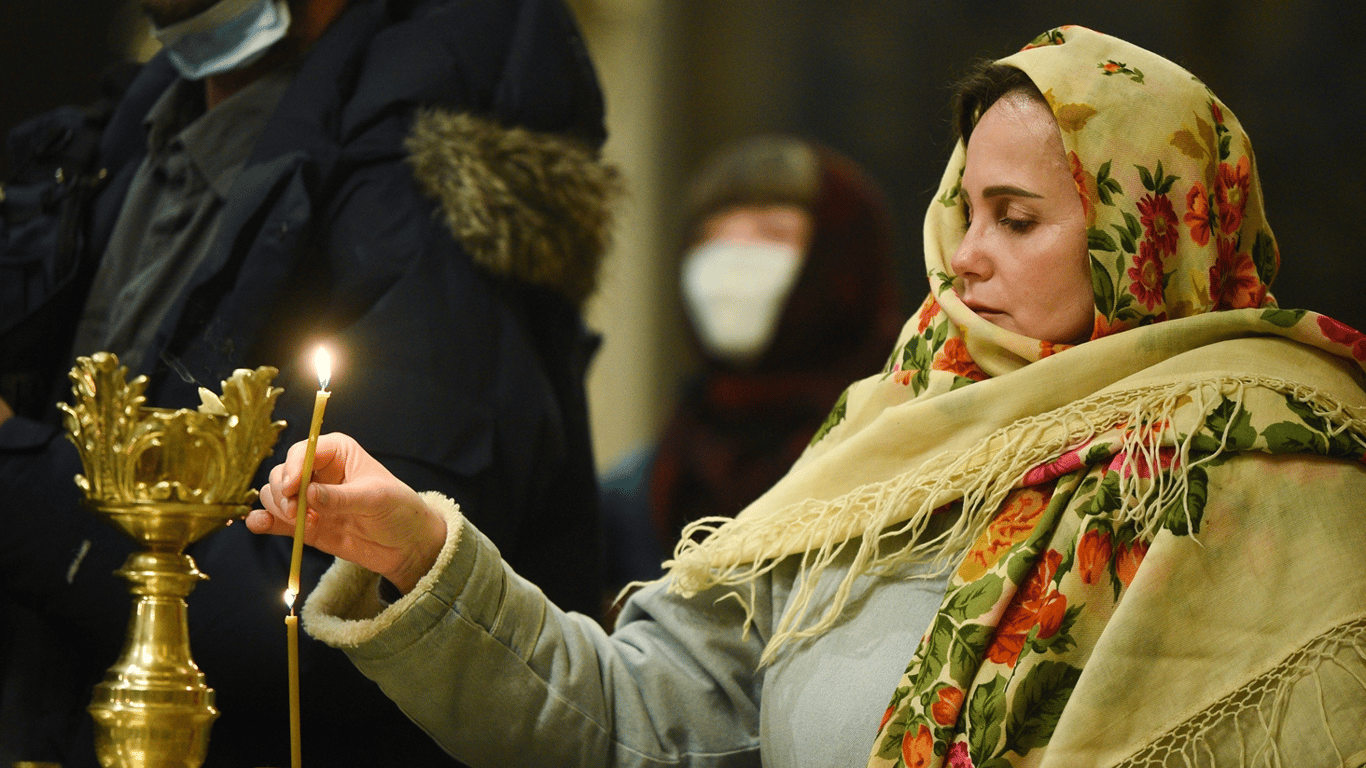
The Synaxis of the Three Hierarchs in Ukraine
According to Novyny.live: On January 30, Orthodox Christians in Ukraine observe the feast of the Synaxis of the Three Hierarchs, honoring the prominent saints Basil the Great, Gregory the Theologian, and John Chrysostom. This feast holds deep religious significance and is accompanied by special traditions that have developed over centuries. For believers, it is a day not only of commemoration but also of adhering to specific prohibitions that serve as a form of spiritual purification.
Traditions and Prohibitions
As part of the observance, certain behavioral restrictions are emphasized. On this day, it is strictly forbidden to:
- Quarrel or argue;
- Use foul language;
- Gossip or spread rumors;
- Display anger;
- Entertain malicious thoughts.
Adherents believe that following these rules helps preserve peace and harmony within the family and society, as negative emotions are seen as harmful to spiritual growth. This feast is a major observance in Eastern Orthodoxy, celebrated by millions worldwide.
The prohibitions associated with the feast are a vital part of Ukrainian folk traditions and beliefs. They serve as a reminder of the importance of good relationships and mutual understanding, values championed by the saints honored on this day. By marking the Synaxis, the faithful strive to fill their lives with positivity and goodness, avoiding anything that might bring a negative influence.
Thus, the feast is not merely a religious event but also an opportunity for each believer to reflect on their inner world and relationships with others. Observing the prohibitions encourages self-improvement and spiritual growth, which are central aspects of Orthodox Christian practice.
The Synaxis of the Three Hierarchs occupies an important place in Ukraine's cultural and religious life, fostering a sense of community based on mutual respect and kindness. These traditions underscore the importance of moral values that believers endeavor to embody daily. The celebration can also be seen as a chance for those in the Orthodox faith to reconsider their actions and relationships, thereby strengthening social unity and spirituality.
Read also
- Three Ukrainians Without Documents Rescued from Occupied Territories Under Bring Kids Back UA Initiative
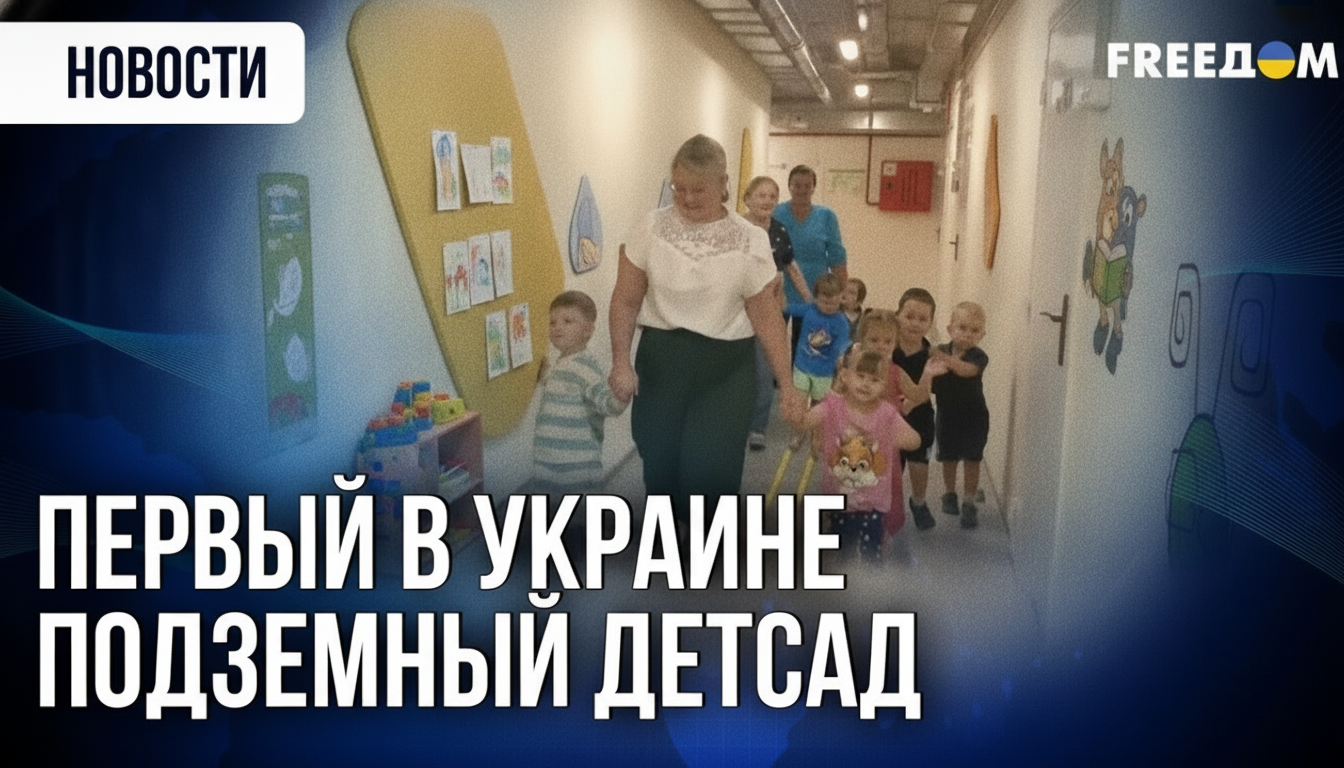
- Ukraine’s first underground kindergarten opens in Kharkiv, accommodating 260 children
- Ukraine's ports crippled by Russian strikes: 28 vessels hit, 21 killed
- 24 Children Rescued from Occupied Territories by Save Ukraine, Including Injured 13-Year-Old Anhelina
- Woman Faces Up to 7.5 Years in Prison After Attacking Children for Speaking Ukrainian in Poland
- One of the Most Recognizable Voices on Ukrainian Radio, Journalist Oleksandr, Has Passed Away