Bee Populations Triple on Minnesota Solar Farms: How Smart Design Made It Happen.

Research on Minnesota Solar Farms Reveals Ecological Benefits
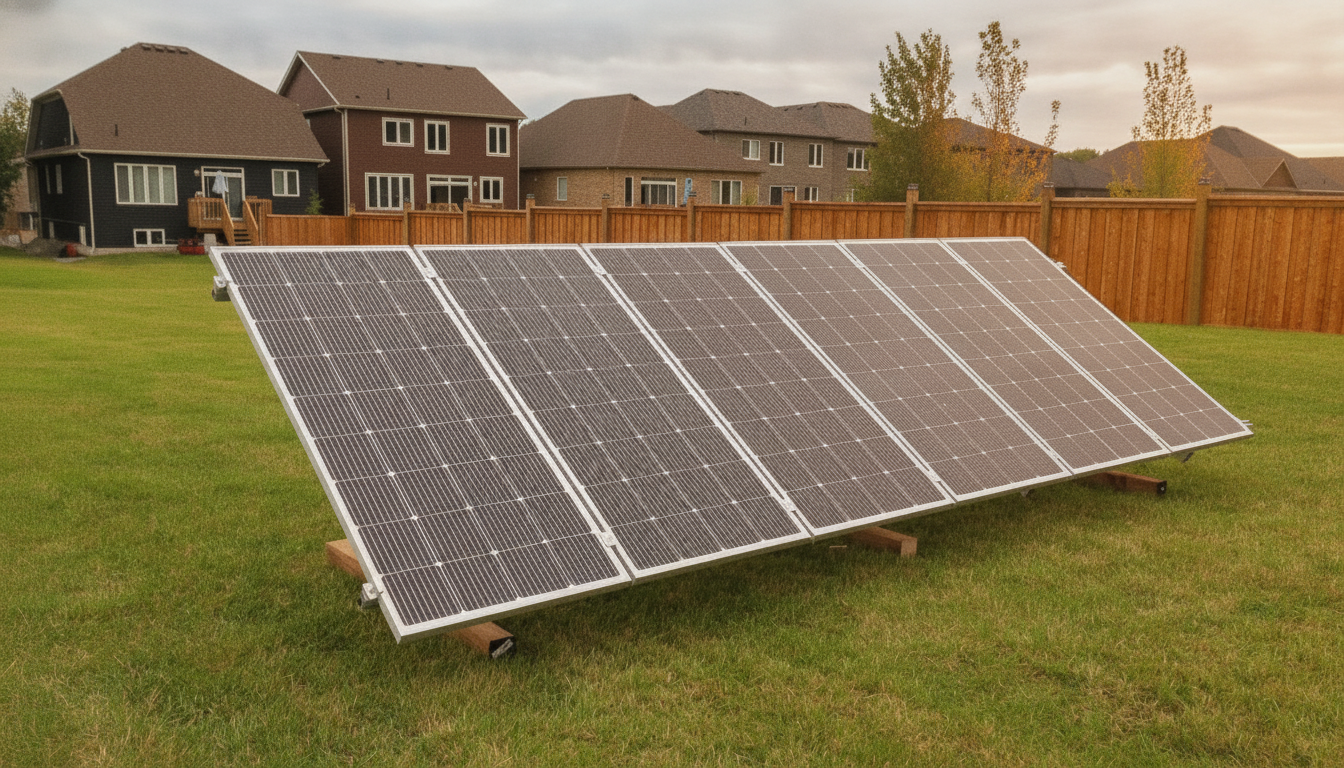
According to Novyny.live: A five-year study conducted at two solar installations in Minnesota has demonstrated that thoughtful design can significantly improve conditions for pollinators, especially bees. By elevating solar panels higher off the ground and planting native grasses and wildflowers beneath them, researchers observed a threefold increase in insect numbers. This approach allowed vegetation to thrive, creating a welcoming habitat for bees and other beneficial insects.
The project underscores that renewable energy infrastructure doesn't have to come at the expense of local ecosystems. Instead, with careful planning, solar farms can serve dual purposes: generating clean power while actively supporting biodiversity.
Why Biodiversity Matters in Renewable Energy
Scientists noted that bee colonies on these farms began reproducing more actively, a key indicator of a healthy ecosystem. This finding highlights the importance of integrating natural elements into modern agricultural and energy systems, helping to preserve biodiversity and maintain ecological balance.
Given the study's outcomes, solar farms have the potential to become more than just sources of renewable energy. They can also play a critical role in sustaining pollinator populations, which are vital for agriculture and the environment. Proper planning and execution of solar projects could thus yield significant positive impacts on nature.
The Minnesota research adds valuable insights into the relationship between renewable energy and biodiversity conservation. In the face of global challenges like climate change and declining pollinator numbers, these findings could inform new approaches in agronomy and ecology. Further study and adoption of similar methods may help advance sustainable farming practices while protecting natural ecosystems at large.
Read also
- Three Ukrainians Without Documents Rescued from Occupied Territories Under Bring Kids Back UA Initiative
- Ukraine’s first underground kindergarten opens in Kharkiv, accommodating 260 children
- Ukraine's ports crippled by Russian strikes: 28 vessels hit, 21 killed
- 24 Children Rescued from Occupied Territories by Save Ukraine, Including Injured 13-Year-Old Anhelina
- Woman Faces Up to 7.5 Years in Prison After Attacking Children for Speaking Ukrainian in Poland
- One of the Most Recognizable Voices on Ukrainian Radio, Journalist Oleksandr, Has Passed Away