Minor Children and Inheritance: Who Has the Right to a Mandatory Share.


Every person has the right to decide what will happen to their property after death by making a will. They can designate any heirs - relatives, outsiders, businesses, organizations, or even the state.
The Ministry of Justice of Ukraine has clarified the rules regarding inheritance for minor children.
The testator also has the right to deprive any legal heirs of their inheritance. At the same time, the law guarantees a mandatory share of the inheritance for certain categories of individuals. These are:
- minor, underage, and adult disabled children of the deceased;
- children conceived during the lifetime of the testator but born after their death.
They have the right to half of the share that would have belonged to them by law.
How to Accept Inheritance
To do this, it is necessary to submit an application to the notary within six months from the date of death of the testator. There are exceptions:
- if the heir lived together with the deceased, they are automatically considered to have accepted the inheritance unless they refused;
- children are considered to have accepted the inheritance even without an application if they have not waived their rights.
The application on behalf of the children is submitted by the parents or guardians, and from the age of 14, teenagers can contact the notary independently.
Inheritance is not only property but also debts. If the deceased had loans, they pass on to the heirs, but only up to the value of the inherited property. If the debts exceed the value of the inheritance, it is crucial to weigh whether to accept it.
Minors aged 14-18 can refuse the inheritance only with the consent of their parents or guardians. For minor or incapacitated children, refusal is only possible by the decision of the guardians with the permission of the guardianship and custody authorities.
The Importance of Obtaining a Certificate of Inheritance Rights
If the inheritance includes property that requires state registration, a certificate of inheritance rights must be obtained. It is issued after six months have passed since the opening of the inheritance. The certificate can be processed at any time, and there are no time limits.
It is also worth remembering that the inheritance may also include the debts of the deceased, which are passed on to the heirs.
Every person has the opportunity to decide who and how to leave their property after death by making a will. In such a document, one can indicate any heirs, including children, relatives, organizations, or the state. Legislation provides for the rights and obligations of heirs, including in the presence of debts in the inheritance. Therefore, it is essential to timely consult with a notary and properly formalize the inheritance to avoid misunderstandings and conflicts in the future.Read also
- Three Ukrainians Without Documents Rescued from Occupied Territories Under Bring Kids Back UA Initiative
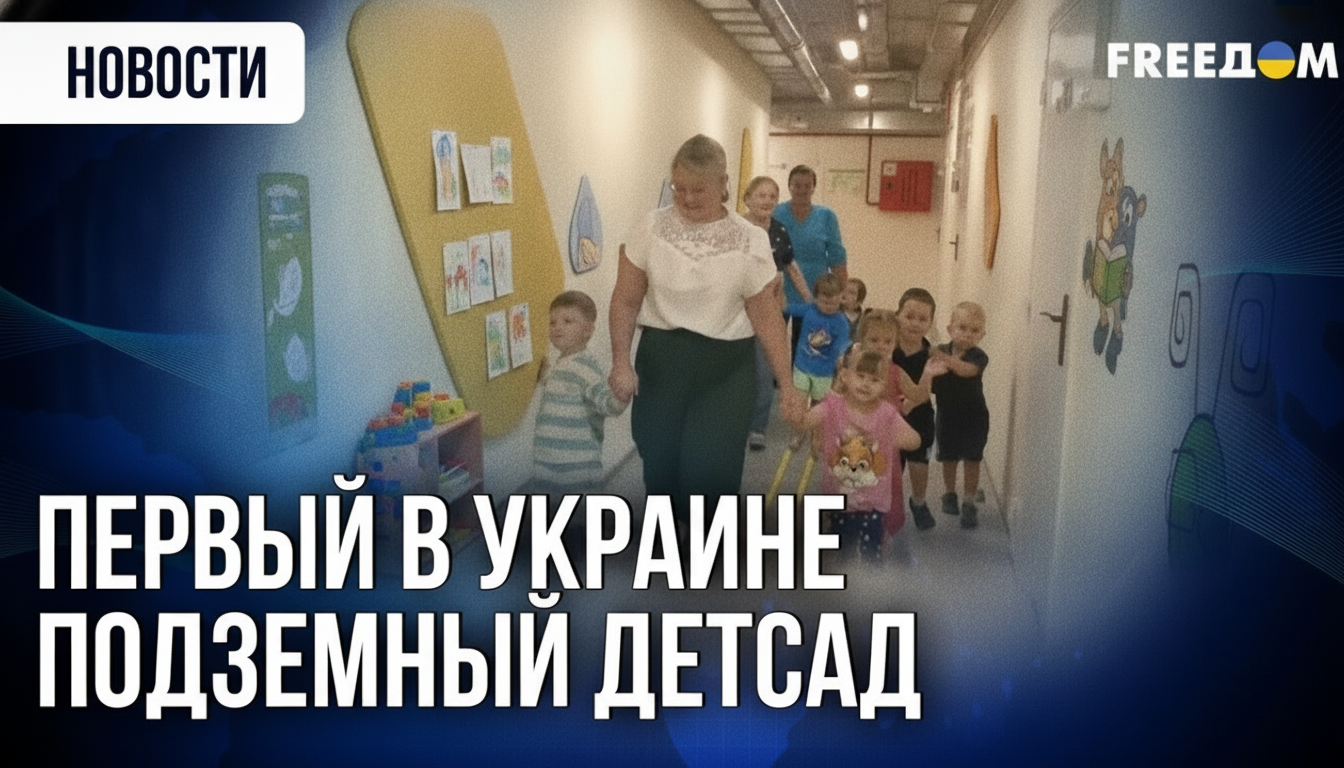
- Ukraine’s first underground kindergarten opens in Kharkiv, accommodating 260 children
- Ukraine's ports crippled by Russian strikes: 28 vessels hit, 21 killed
- 24 Children Rescued from Occupied Territories by Save Ukraine, Including Injured 13-Year-Old Anhelina
- Woman Faces Up to 7.5 Years in Prison After Attacking Children for Speaking Ukrainian in Poland
- One of the Most Recognizable Voices on Ukrainian Radio, Journalist Oleksandr, Has Passed Away