What the Resumption of U.S.-Russia Military Talks Means for Ukraine.

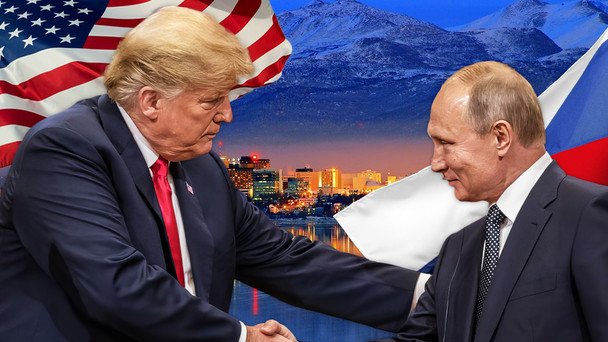
High-Level Military Dialogue Resumes
According to TSN.ua: The United States has restarted high-level military discussions with Russia, which had been suspended since late 2021. This development occurs against a backdrop of the expired New START nuclear treaty and a flurry of diplomatic initiatives concerning Ukraine. It is crucial to note that Russia launched its full-scale invasion of Ukraine in 2022, fundamentally reshaping the international security landscape and creating profound new challenges.
The New START treaty, which governed nuclear arms limits between the U.S. and Russia, expired on February 5, 2023. Neither party has since confirmed a willingness to adhere to its terms, raising significant concerns among analysts and policymakers. The revival of U.S.-Russia contacts is directly linked to negotiations over Ukraine, underscoring the dialogue's critical importance within the current geopolitical climate. Such high-stakes communication between nuclear powers is often seen as a necessary, albeit tense, mechanism to manage risks.
Key Figures and the Path Forward
U.S. European Command's leader, General Alexus G. Grynkewich, will spearhead the renewed dialogue. Meanwhile, Kremlin press secretary Dmitry Peskov has indicated that
"everything will depend on how events develop"—a statement highlighting the potential unpredictability of future talks. While the precise objectives and outcomes of re-establishing regular dialogue remain unclear, this move could significantly influence the trajectory of relations between the U.S., Russia, and Ukraine.
The resumption of military talks may signal an attempt by both nations to de-escalate tensions in international relations, particularly concerning the ongoing war in Ukraine. This step also emphasizes the vital importance of communication between nuclear powers to prevent conflict escalation and ensure regional stability. However, given the profound uncertainty characterizing current bilateral relations, the results of these negotiations are likely to be unpredictable and will require close monitoring by the international community.
Read also
- After Meeting Putin, Russian Oligarchs Pledge 220 Billion Rubles to Fund Ukraine War
- Kremlin Gives Ukraine a Two-Month Ultimatum: Withdraw Troops or Face Consequences
- Armenia Denies Leaving the EAEU; Kremlin Spokesman Warns of Market Gas Prices
- Strategic Partnership and Minerals Deal Signed by the United States and Armenia
- U.S.-Russia-Ukraine Talks Halted: What We Know So Far
- Moscow Signals Readiness to Promote Middle East Peace: Kremlin Spokesperson Peskov Speaks