The Unmatched Durability of Stalin-Era Apartment Buildings from the 1930s.

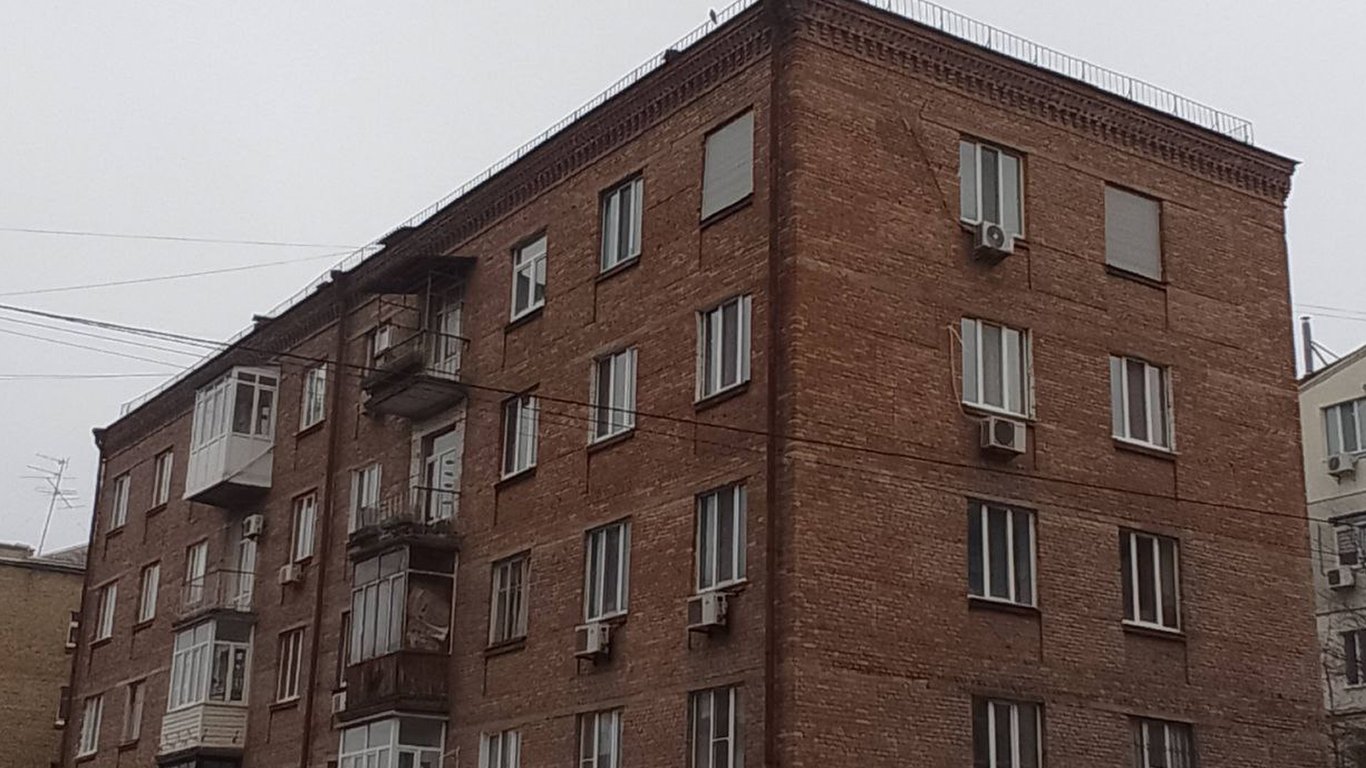
The Architectural Legacy of Stalin-Era Buildings
According to Novyny.live: Constructed between 1930 and 1941, the apartment blocks known as 'Stalinkas' are renowned for their exceptional durability and unique technical features. These structures, which became symbols of the architectural style of that era, possess a range of advantages that continue to make them popular with residents today. They represent a distinct period in Soviet urban planning, built to project an image of solidity and permanence.
Defining Characteristics of Stalin-Era Construction
One of the key features of these buildings is their high ceilings, which range from 3.2 to 3.5 meters. This provides a sense of spaciousness and makes the interiors more comfortable for living. Another crucial characteristic is the thickness of the brick walls, which can reach 60-65 cm. This ensures a high level of thermal and sound insulation, important factors for residential quality.
Despite their robustness, Stalinkas do have certain drawbacks. The pipes and wiring in buildings that are nearly 90 years old often require replacement. This can pose a challenge for apartment owners, as outdated systems can be both unsafe and inefficient. However, the core technical features of these buildings, such as:
- solid brickwork up to 65 cm thick,
- exceptionally large window openings,
- the absence of load-bearing walls inside apartments
continue to make them attractive to those who value space and comfort.
Consequently, Stalin-era buildings remain a significant part of the architectural heritage, demonstrating a combination of strength and aesthetic appeal. They continue to be popular among residents who appreciate their technical merits and historical value. In the context of modern construction, which often prioritizes speed and cost-efficiency, these older buildings stand as an example of durability and quality craftsmanship, a factor many still consider important when choosing a home in today's urban environment.
Read also
- Three Ukrainians Without Documents Rescued from Occupied Territories Under Bring Kids Back UA Initiative
- Ukraine’s first underground kindergarten opens in Kharkiv, accommodating 260 children
- Ukraine's ports crippled by Russian strikes: 28 vessels hit, 21 killed
- 24 Children Rescued from Occupied Territories by Save Ukraine, Including Injured 13-Year-Old Anhelina
- Woman Faces Up to 7.5 Years in Prison After Attacking Children for Speaking Ukrainian in Poland
- One of the Most Recognizable Voices on Ukrainian Radio, Journalist Oleksandr, Has Passed Away