Ukraine Implements New Fishing Regulations and Fines for 2026.

Ukraine's 2026 Fishing Rules: Stricter Penalties for Illegal Trade
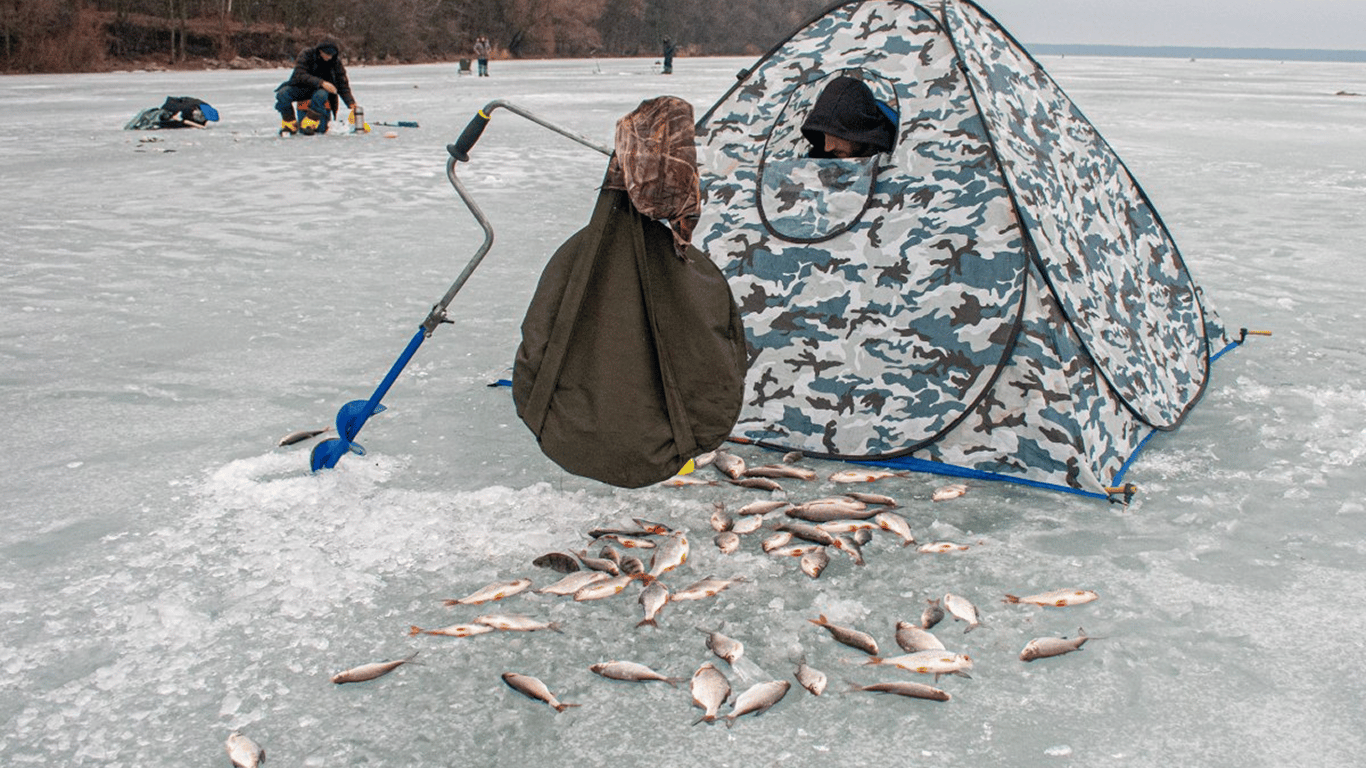
According to Novyny.live: Starting in 2026, Ukraine will enforce new penalties for the illegal sale of fish alongside updated recreational fishing regulations. These changes are part of a broader governmental effort to protect aquatic ecosystems and ensure sustainable fish populations. Fines for attempting to sell illegally caught fish will range from 510 to 1,700 Ukrainian hryvnias.
Under the Ukrainian Code of Administrative Offenses, all fish must be caught legally or raised in aquaculture. To avoid penalties, anglers must adhere to the established rules. The 2026 regulations also introduce strict minimum size limits for various species:
- Whitefish - at least 25 cm
- Wels catfish - 80 cm
- Northern pike - 50 cm
- Zander - 42 cm
- Bream - 22 cm
- Ide - 30 cm
- Chub and Ziege - 24 cm
- Tench and Brook trout - 20 cm
- Roach and Azov roach - 18 cm (in Dnipro reservoirs)
- Crayfish - 11 cm (in Dnipro reservoirs) and 10 cm (in other waters)
- Common bream and Common carp - 35 cm (in Dnipro reservoirs) and 30 cm (in other water bodies)
- Grass carp and Silver carp - 60 cm (in Dnipro reservoirs) and 40 cm (in other waters)
Furthermore, anglers must observe gear and catch limits. Each person is permitted to use up to seven hooks, and the daily catch must not exceed 3 kilograms of fish plus one large specimen if it exceeds the minimum size. These rules aim to promote sustainable fishing practices in Ukraine and preserve natural resources for future generations.
The introduction of new fines and fishing regulations in Ukraine reflects a growing need to protect water resources and conserve biodiversity.
This is a step toward sustainable fisheries management, intended not only to safeguard fish stocks but also to maintain ecological balance in the country's water bodies. Adherence to the new norms will be crucial for anglers who wish to continue their activity within the legal framework and contribute to environmental protection. These measures align with broader European trends in fisheries conservation and management.
Read also
- Three Ukrainians Without Documents Rescued from Occupied Territories Under Bring Kids Back UA Initiative
- Ukraine’s first underground kindergarten opens in Kharkiv, accommodating 260 children
- Ukraine's ports crippled by Russian strikes: 28 vessels hit, 21 killed
- 24 Children Rescued from Occupied Territories by Save Ukraine, Including Injured 13-Year-Old Anhelina
- Woman Faces Up to 7.5 Years in Prison After Attacking Children for Speaking Ukrainian in Poland
- One of the Most Recognizable Voices on Ukrainian Radio, Journalist Oleksandr, Has Passed Away