Dnipro Court Rules Forced Conscription Office Delivery Illegal: Implications Explained.

Dnipro Court Rules Forced Conscription Office Delivery Illegal: Implications Explained
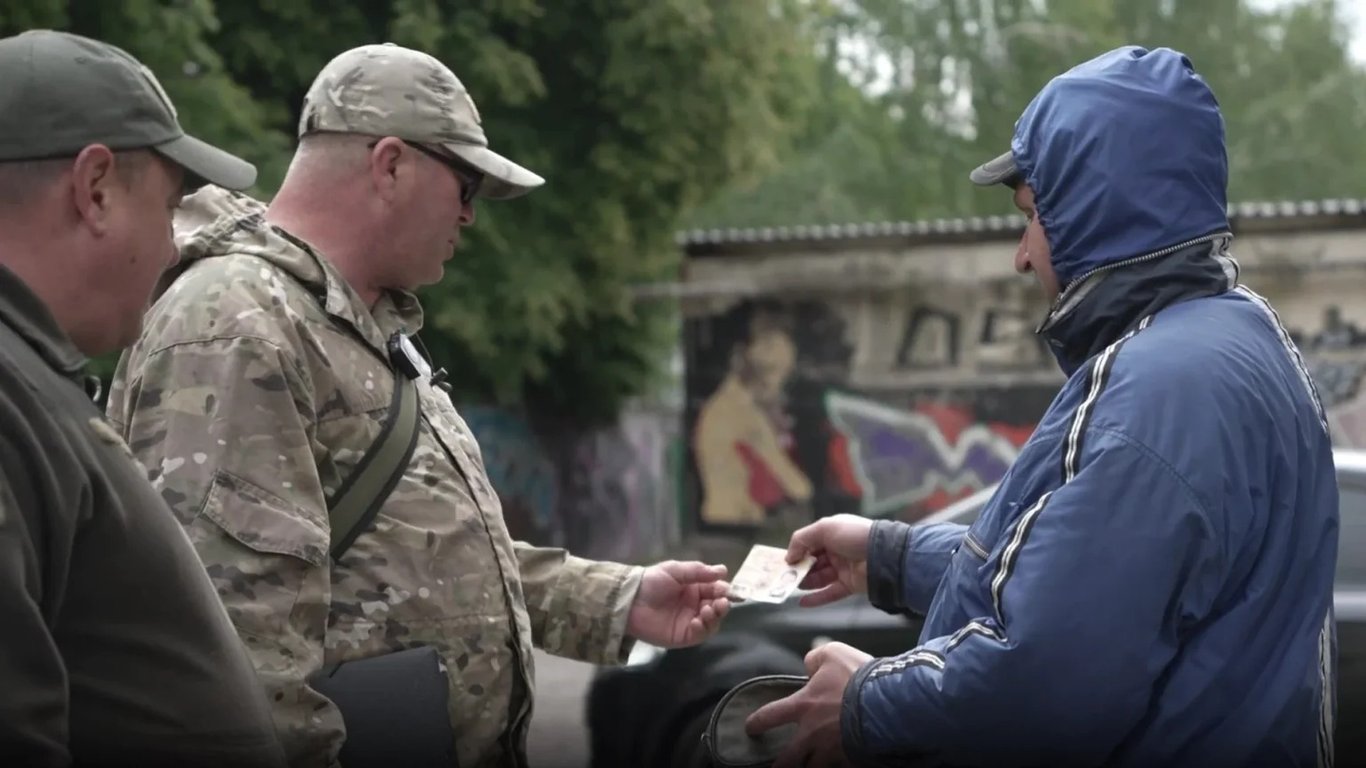
According to Novyny.live: A court in Dnipro has ruled that the actions of officials from a Territorial Recruitment and Social Support Center (TRSC) were unlawful in forcibly delivering a man to a military enlistment office. This incident, which occurred in late November 2024, has sparked public debate over the legality of such procedures by recruitment officials. This ruling comes amid ongoing scrutiny of mobilization practices in Ukraine.
On October 2 of last year, the Third Appellate Court of Dnipro issued a ruling confirming the illegality of the TRSC employees' actions. The man, who was forcibly taken to the enlistment office, was held for several days at the TRSC premises. A military medical commission deemed him fit for service. While a lower court initially dismissed the man's lawsuit, the appellate court overturned this decision, ordering the military unit to release the plaintiff from military service. The court also awarded the plaintiff over 1,500 hryvnias in compensation.
Legal Limits on Recruitment Center Powers
According to the court's decision, TRSC staff may only initiate the detention of an individual if that person is being sought for ignoring official summonses. However, the physical act of detaining and transporting an individual is a power reserved solely for the police. Any independent detention carried out by TRSC representatives is illegal, underscoring the critical importance of adhering to legal norms during the mobilization process. This case highlights the legal boundaries that exist even during wartime mobilization.
This ruling emphasizes the necessity of strict legal compliance in mobilization efforts and the protection of citizens' rights. The court's decision could set a significant precedent for similar cases, as it clearly defines the limits of authority for TRSC personnel. In the context of war and mobilization, public awareness of legal rights is crucial to prevent abuses and protect the rights of those subject to military service.
Read also
- Three Ukrainians Without Documents Rescued from Occupied Territories Under Bring Kids Back UA Initiative
- Ukraine’s first underground kindergarten opens in Kharkiv, accommodating 260 children
- Ukraine's ports crippled by Russian strikes: 28 vessels hit, 21 killed
- 24 Children Rescued from Occupied Territories by Save Ukraine, Including Injured 13-Year-Old Anhelina
- Woman Faces Up to 7.5 Years in Prison After Attacking Children for Speaking Ukrainian in Poland
- One of the Most Recognizable Voices on Ukrainian Radio, Journalist Oleksandr, Has Passed Away