Court ordered a woman to hand over the embryos of her deceased husband to his parents.

According to inkorr.com: The court has ruled to transfer the embryos to the parents of the deceased husband of Anastasia Kuzmenko. Judge Serhiy Yedamenko stated that Anastasia must hand over three out of six embryos, despite her categorical refusal. The couple had turned to reproductive technologies, but the process was halted due to the husband's death. Now, the court has decided that part of the preserved embryos needs to be transferred to the parents of Anastasia's husband.
Judge Serhiy Yedamenko explained to journalists that the full text of the decision is still being written, so currently, only the resolution part is available.
Law enforcement officials along with Anastasia's lawyer, Lyudmyla Kyrylenko, believe that embryos are biological material, and no clinic has the right to transfer them to relatives without the mother's consent. They confirmed their intention to appeal this decision in court.
Anastasia also shared that after her husband's death, his parents began to pressure her to hand over the embryos and renounce part of the inheritance. However, the woman remains firm in her conviction and emphasizes that she is not ready to carry a child in such a situation.
Unique case of a child born from a 1994 embryo
A child was born in Tennessee from an embryo that was frozen in 1994. This became possible thanks to the IVF procedure that a woman named Linda Archer underwent. She had preserved the embryos for over 30 years, paying $1,000 annually.
Doctors created four embryos, one of which was implanted into Linda's uterus, while the remaining three were frozen. Later, the woman decided to donate the embryos to other families. She is now over 60 years old, and many clinics refused to work with her biological material due to outdated freezing methods.
After the death of the woman's father, the court decided that the embryos should be handed over to his parents, contrary to the mother's wishes. This case highlights the complex legal aspects in the field of reproductive technologies and the inheritance of biological material.
The situation regarding the transfer of embryos from Anastasia Kuzmenko has sparked legal debates as the question of the status of biological material remains complicated and relevant. The court's decision underscores the importance of maternal consent in reproductive technology matters, while Linda Archer's story brings to mind the possibilities offered by these technologies and their legal implications.Read also
- Man Barricades Himself Inside Odesa Hair Salon with Customers: Police Negotiate Peaceful Resolution
- Drone Strikes Hit Russian Oil Refineries: Explosions Rock Saratov and Nizhnekamsk
- Massive Strikes Hit Kyiv, Kharkiv, and Zaporizhzhia: Casualties and Destruction Reported
- Kharkiv Hit by Russian Airstrike: One Dead, 21 Wounded Including Five Children
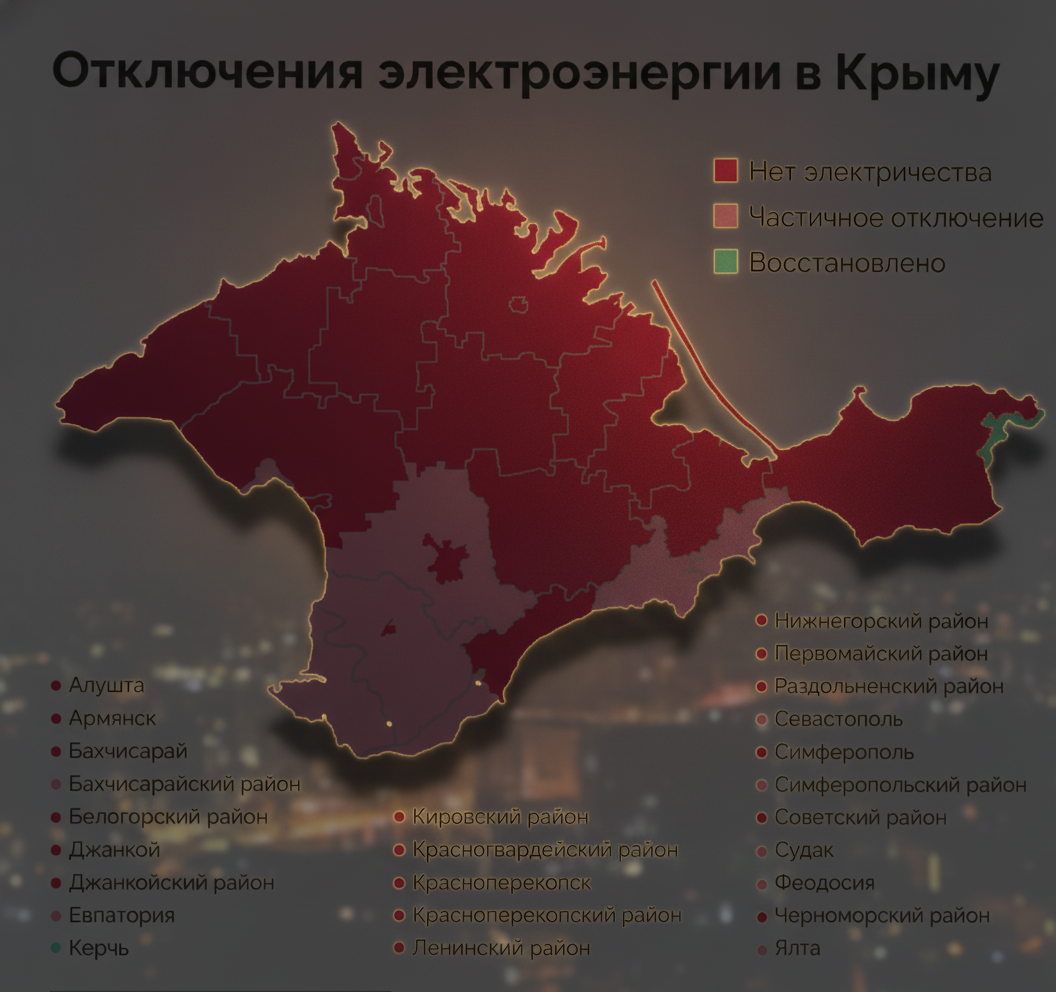
- Power Outages Plunge 7 City Districts and 12 Regions of Crimea Into Darkness After Substation Strikes
- Civilian Casualties and Infrastructure Damage Reported After Russian Strikes on Odesa, Zaporizhzhia, and Dnipro Regions