








Advertising


Despite Tensions Over UPA, Tusk Pledges Steadfast Support to Ukraine
today, 10:00
154

Advertising



Gdansk Hosts Major Ukraine Recovery Conference: Key Details Emerge
today, 08:06
344

Odesa Sets New Minibus Fare: What Passengers Will Pay
today, 10:36
1

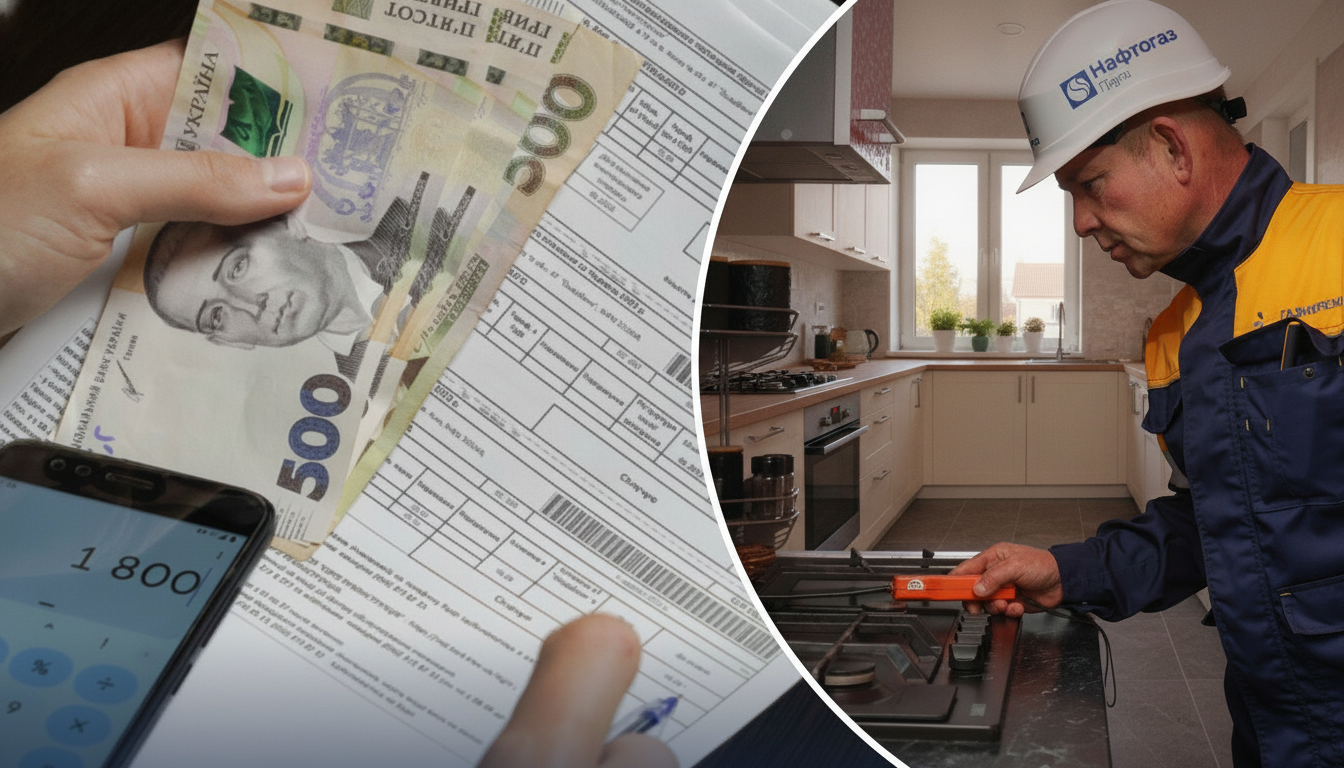
Urgent Account Re-Registration Required: Ukraine's Gas Distribution Networks Reach Out to Customers
Notice from Gas Distribution Networks of Ukraine LLC Customers of Gas Distribution Networks of Ukraine LLC are being urged to promptly re-register their personal accounts to ensure accurate billing for gas distribution services. This request specifically targets consumers who have changed their pers...
today, 09:24
201


Ukraine’s Inflation Hits 8.2%: Which Prices Are Rising the Fastest?
today, 07:48
320
Horoscope
LIFESTYLE



Tourism






Kefir Cheese Pancakes: A Perfect 30-Minute Breakfast Recipe
today, 06:24
329
10-Minute Zucchini Pizza Recipe: A Quick and Easy Twist on a Classic
today, 05:48
368
No-Bake Sour Cream Cake: A Simple Recipe with Nuts and Dried Fruits
today, 04:12
376








Showbiz




Movies about World War II 1941–45: Famous Films and Historical Dramas
yesterday, 17:03
488
Agatha Christie Is Back in the Spotlight: 4 Must-Watch New Series and Films
yesterday, 10:49
469
Penélope Cruz Debuts a Major Makeover with a Chic Bob and Honey Blonde Hair
yesterday, 03:30
526
Sports




PKP Intercity Cuts Summer Discount in Half: New Terms for Poland's Train Promotion
yesterday, 13:18
573
Jet2 Introduces a 72-Hour Rule: What Travelers Need to Know
yesterday, 08:31
584
New Polish Border Rules: Ukrainians Denied Entry Without Return Tickets and Cash
yesterday, 04:30
463