Testosterone: how the hormone of masculinity became the main character in modern wars.

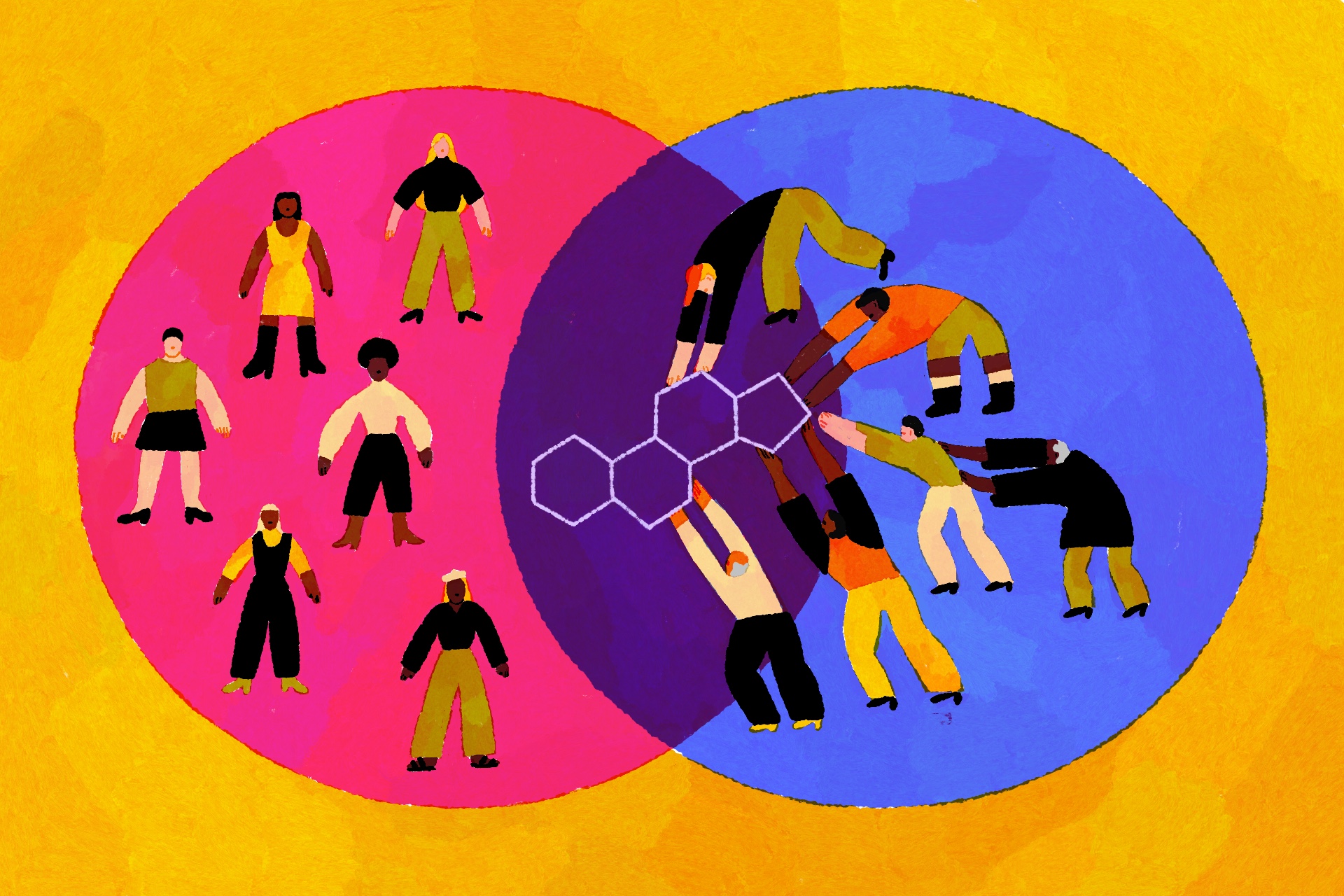
According to Vox: Robert F. Kennedy Jr., who oversees the US Department of Health and Human Services, has expressed support for debunked theories linking vaccines to autism and suggesting a cover-up by organizations like the Centers for Disease Control and Prevention. He is skeptical of chemicals in our food and surroundings, while also acknowledging taking testosterone as part of his anti-aging regimen. In a recent interview, Kennedy claimed that American teenagers today have lower testosterone levels than 68-year-old men, sparking online discussions and conspiracy theories.
Despite the lack of concrete evidence for Kennedy's claims, the discourse around testosterone levels is on the rise. From discussions in the fitness community to political debates, testosterone has become a focal point of masculinity and identity. The historical context and societal implications of testosterone reveal deeper tensions in our understanding of gender and bodily autonomy.
The Road to Testosterone
In the past, testosterone was thought of as the 'male hormone,' linked to traditional ideas of masculinity. However, recent scientific advancements have challenged this binary view of sex and hormones. Testosterone, once seen as a symbol of manhood, now represents a complex interplay between biology, culture, and identity. As our understanding of testosterone evolves, so too does our perception of gender and the fluidity of human biology.
Read also
- Three Ukrainians Without Documents Rescued from Occupied Territories Under Bring Kids Back UA Initiative
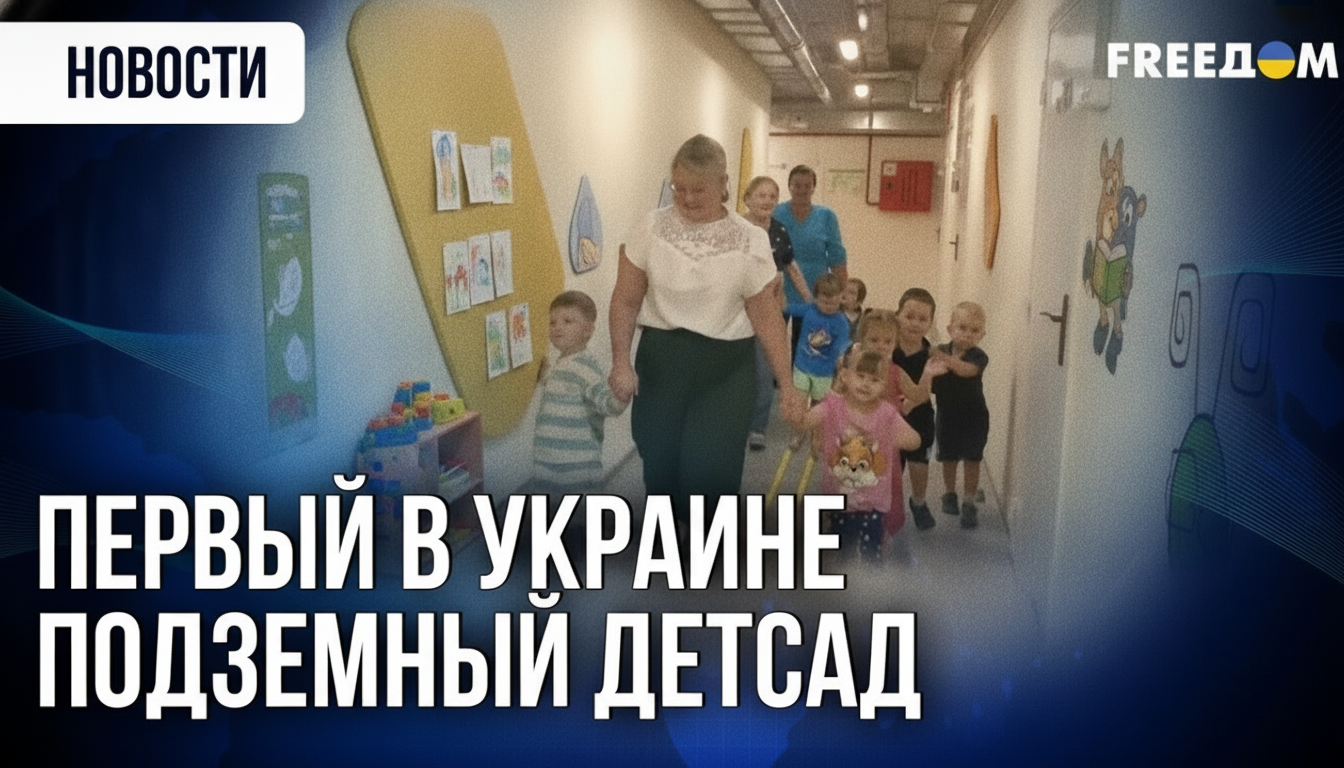
- Ukraine’s first underground kindergarten opens in Kharkiv, accommodating 260 children
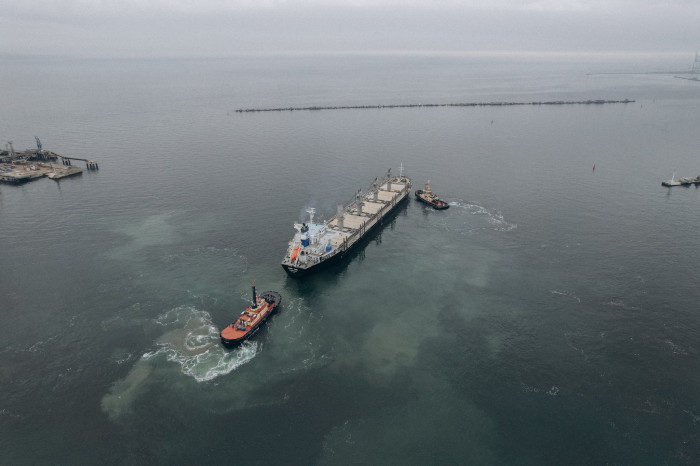
- Ukraine's ports crippled by Russian strikes: 28 vessels hit, 21 killed
- 24 Children Rescued from Occupied Territories by Save Ukraine, Including Injured 13-Year-Old Anhelina
- Woman Faces Up to 7.5 Years in Prison After Attacking Children for Speaking Ukrainian in Poland
- One of the Most Recognizable Voices on Ukrainian Radio, Journalist Oleksandr, Has Passed Away