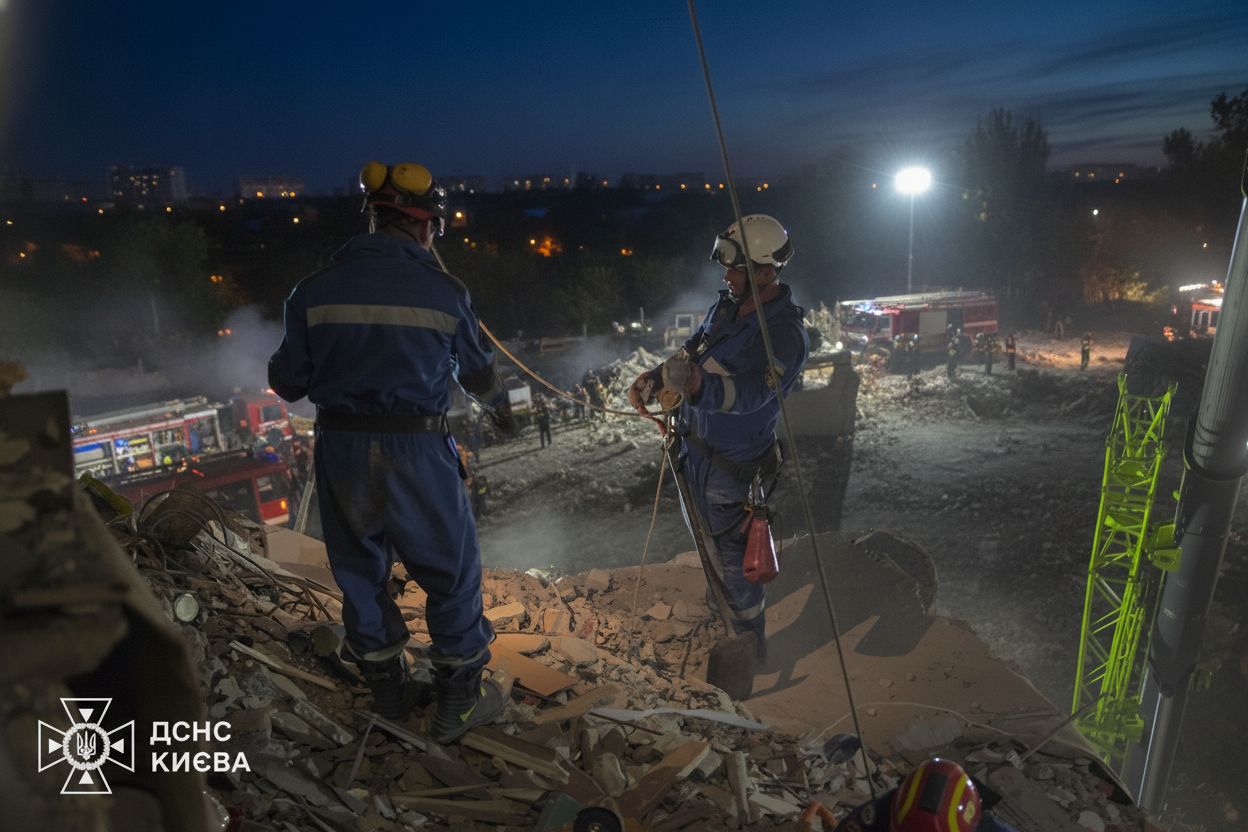
Trump admitted his mistake regarding the war in Ukraine: what made him change his mind.

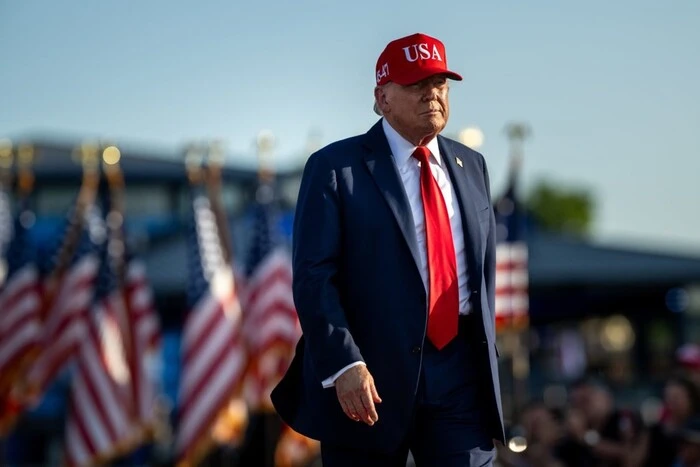
According to inkorr.com: U.S. President Donald Trump admitted in an interview with 77 WABC that he was wrong to think he could quickly end the war between Russia and Ukraine. He previously believed that the conflict could be resolved because of his connections with Vladimir Putin.
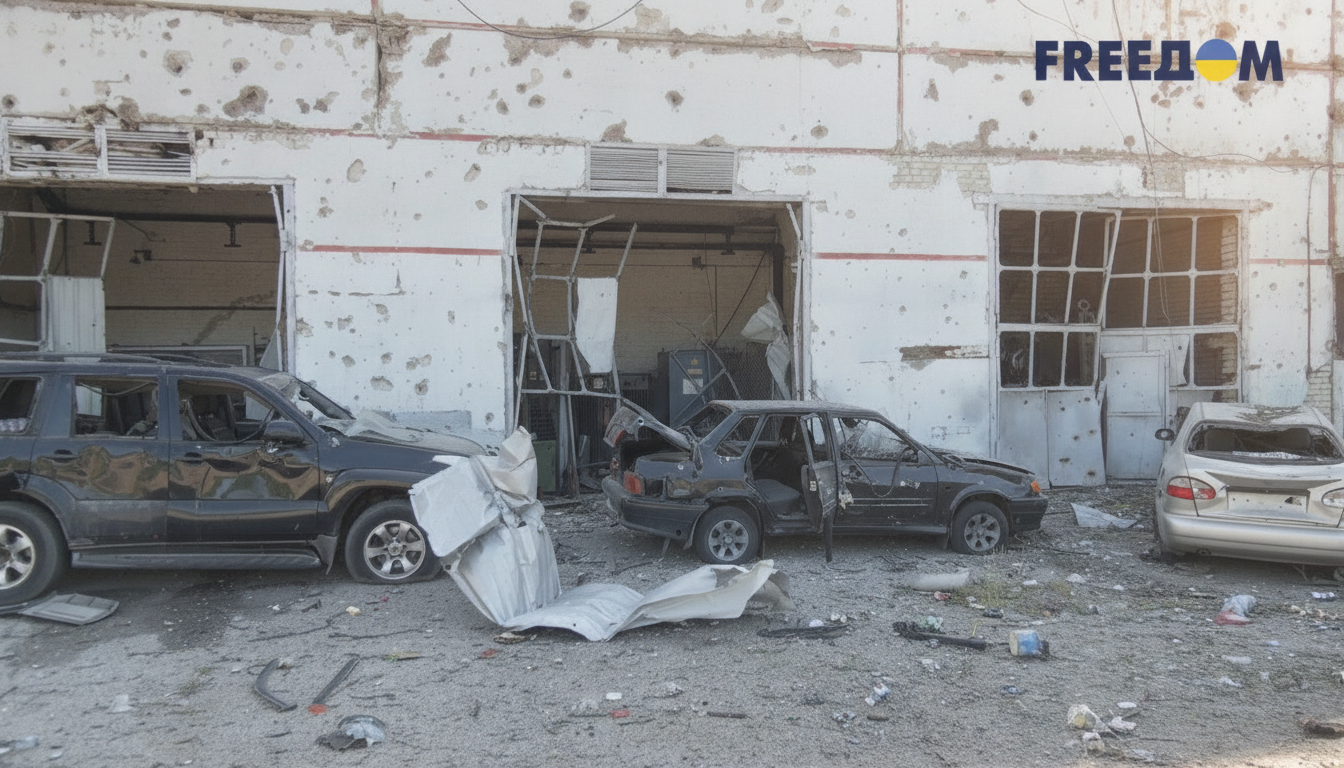
Trump emphasized that the situation in Ukraine is much more complex than he anticipated, due to 'much hatred' between Putin and Zelensky and 'a lot, a lot of blood spilled.' He also noted that between 5,000 to 7,000 people die every week in the war.
It's just bad. It seems that every time I think we are close, he (Putin) goes and drops another bomb
Putin's Strategy and War of Attrition
Russian President Vladimir Putin is counting on a prolonged war with Ukraine, hoping that Ukrainian forces will exhaust themselves faster than the Russian economy. He is confident that Russia can withstand the pressure and survive the war under sanctions.
The American publication The Wall Street Journal analyzes Putin's strategic approach, which he believes will allow him to outlast Ukraine in both military and economic terms.
Putin believes Ukraine will not withstand long-term pressure. He sees the Russian economy as resilient enough to survive the war, even under sanctions
Thus, Trump acknowledged his mistake regarding the quick end to the war, focusing attention on Putin's strategy, which is based on a war of attrition, where the Russian economy must withstand pressure better than the Ukrainian armed forces.
Trump's statements reflect a shift in the approach to understanding the conflict that has been ongoing for over a year. The war in Ukraine has proven to be more resilient and fierce than expected, impacting both international politics and the economic strategies of states. It is clear that the conflict and its consequences will remain relevant in the global context moving forward.
Read also
- Trump and Zelenskyy to Meet in Ankara on July 8: Talks Focus on Ending the War
- At the NATO Summit in Ankara, Zelenskyy Reports Ukraine Intercepts 90% of Russian Drones and Urges Stronger Air Defense
- At Ankara Summit, Zelenskyy Raises Missile Defense: Key Agreements and Talks
- Trump's Return Sparks Record Surge in European Arms Imports from the US
- Putin and Zelenskyy Ready to Deal, Trump Claims During Ankara Visit
- Trump and Erdogan Discuss Peace Talks: 30,000 Deaths Per Month in Ukraine War