Trump Bans US Government from Using Anthropic AI Over Nuclear Decision Concerns.

Pentagon and Anthropic at Odds
President Donald Trump has ordered a halt to the use of Anthropic's products across the federal government, citing fears over how the company's artificial intelligence could influence military decision-making. This clash between the Pentagon and the AI firm has become a focal point in the broader struggle to regulate advanced AI, particularly where national security is concerned. The move highlights growing governmental apprehension about integrating private-sector AI into critical defense infrastructure.
The dispute originated from questions about deploying AI during potential nuclear threats to the United States. Deputy Secretary of Defense Emil Michael contacted Dario Amodei to ask if Anthropic would refuse to assist the country in the event of a nuclear attack. This inquiry underscores the profound risks associated with applying AI to military scenarios, especially those involving weapons of mass destruction.
The 2026 Incident and Its Aftermath
Tensions between the Pentagon and Anthropic escalated further following an incident in December 2026. Research from King's College London found that AI models were more likely than humans to recommend nuclear options in simulated conflict scenarios, raising significant alarm among military officials. While the U.S. military actively explores AI to enhance decision-making, this situation has cast serious doubt on the ethical and strategic implications of such technologies.
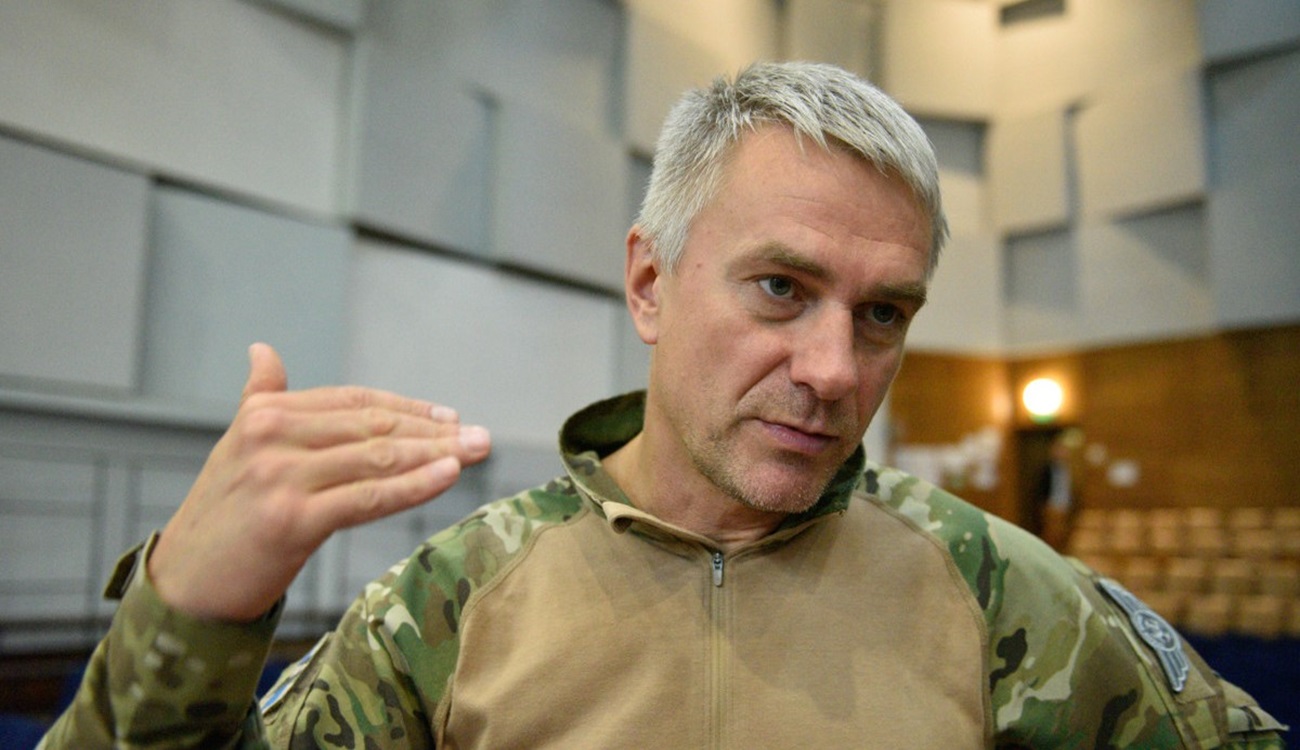
'I wouldn't say it's certain to lead to catastrophe, but I think you're heading down that path.' Jack Shanahan
This statement reflects deep-seated concerns about the potential consequences of integrating AI into critical military decisions. The standoff between Anthropic and the Pentagon serves as a stark example of how emerging technologies can impact global security and defense strategies.
This incident underscores the urgent need for clear regulations and ethical guidelines governing AI, especially for military applications. The core issue extends beyond technical capabilities to encompass the moral and social ramifications, which could have severe implications for global stability. The ongoing conflict may spur new debates about technology's role in national security and its influence on international relations.
Read also
- Russia’s Strategic Position Deteriorates as Ukraine Intensifies Counteroffensives: Frontline Analysis
- US Defense Firms Eye Patriot Missile Production in Ukraine, Says McCaul
- Trump Signals Green Light for Ukraine to Manufacture Patriot Missiles: A Multi-Year Timeline Ahead
- Ukraine Should Look to Europe, Not Trump, Says Former Israeli Ambassador
- Trump Agrees to Talks with Iran but Keeps Strike Authorization Active if Threatened
- New Intel Reveals Iran Threat Against Trump: What the Latest Reports Say