A Guide to Fertilizer Timing: When to Apply Nitrogen, Phosphorus, and Potassium.

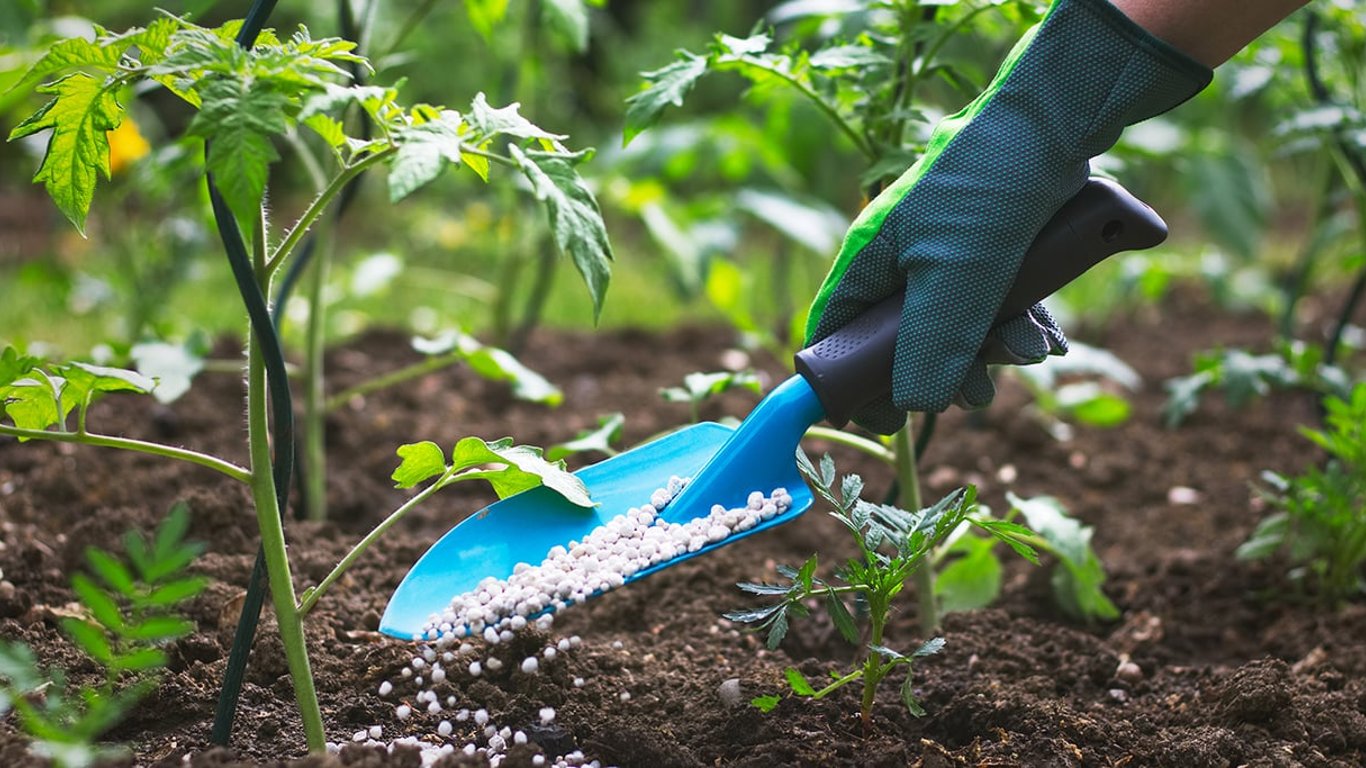
The Critical Role of Fertilizers in Agriculture
According to Novyny.live: Fertilizers are fundamental to modern farming, profoundly influencing plant growth and development. The primary nutrients—nitrogen, phosphorus, and potassium—are essential for supplying plants with vital nourishment at different stages of the growing season. Their correct application is a cornerstone of achieving high crop yields and maintaining soil health.
Application Timing for Key Fertilizer Types
Nitrogen-based fertilizers should be applied in spring and early summer. This timing helps plants activate growth during this crucial period, as nitrogen is a key element for forming chlorophyll and developing lush, green foliage. Proper nitrogen application provides the energy plants need for vigorous development.
Phosphorus fertilizers are best applied at planting, during the flowering phase, and in autumn. Phosphorus is vital for building a strong root system and promoting fruit set, ensuring a healthy start for plants and contributing to a high-quality harvest. Applying phosphorus during these key windows optimizes plant development.
Potassium fertilizers are most important during fruit formation and at the end of the growing season. Potassium enhances plant hardiness and improves fruit quality, making crops more resistant to disease and environmental stress. Applying potassium at these stages supplies plants with the necessary elements to successfully complete their growth cycle.
In summary, nitrogen, phosphorus, and potassium fertilizers are crucial for all crops. Using them correctly according to the season and the plant's growth stage can significantly boost both the yield and quality of agricultural produce. For farmers and gardeners, understanding this nutrient timing is as important as choosing the right seed varieties.
Timely fertilizer application is critical for optimizing farming practices and increasing agricultural productivity. Given climate change and rising global food demand, the precise use of fertilizers has become even more relevant, as it can substantially impact the resilience of the agricultural sector. Growers should focus on science-based recommendations for fertilizer application to ensure healthy plant development and maximize their harvests.
Read also
- Three Ukrainians Without Documents Rescued from Occupied Territories Under Bring Kids Back UA Initiative
- Ukraine’s first underground kindergarten opens in Kharkiv, accommodating 260 children
- Ukraine's ports crippled by Russian strikes: 28 vessels hit, 21 killed
- 24 Children Rescued from Occupied Territories by Save Ukraine, Including Injured 13-Year-Old Anhelina
- Woman Faces Up to 7.5 Years in Prison After Attacking Children for Speaking Ukrainian in Poland
- One of the Most Recognizable Voices on Ukrainian Radio, Journalist Oleksandr, Has Passed Away