Rare 'Invisible' Orchid Discovered in Chernobyl Exclusion Zone.

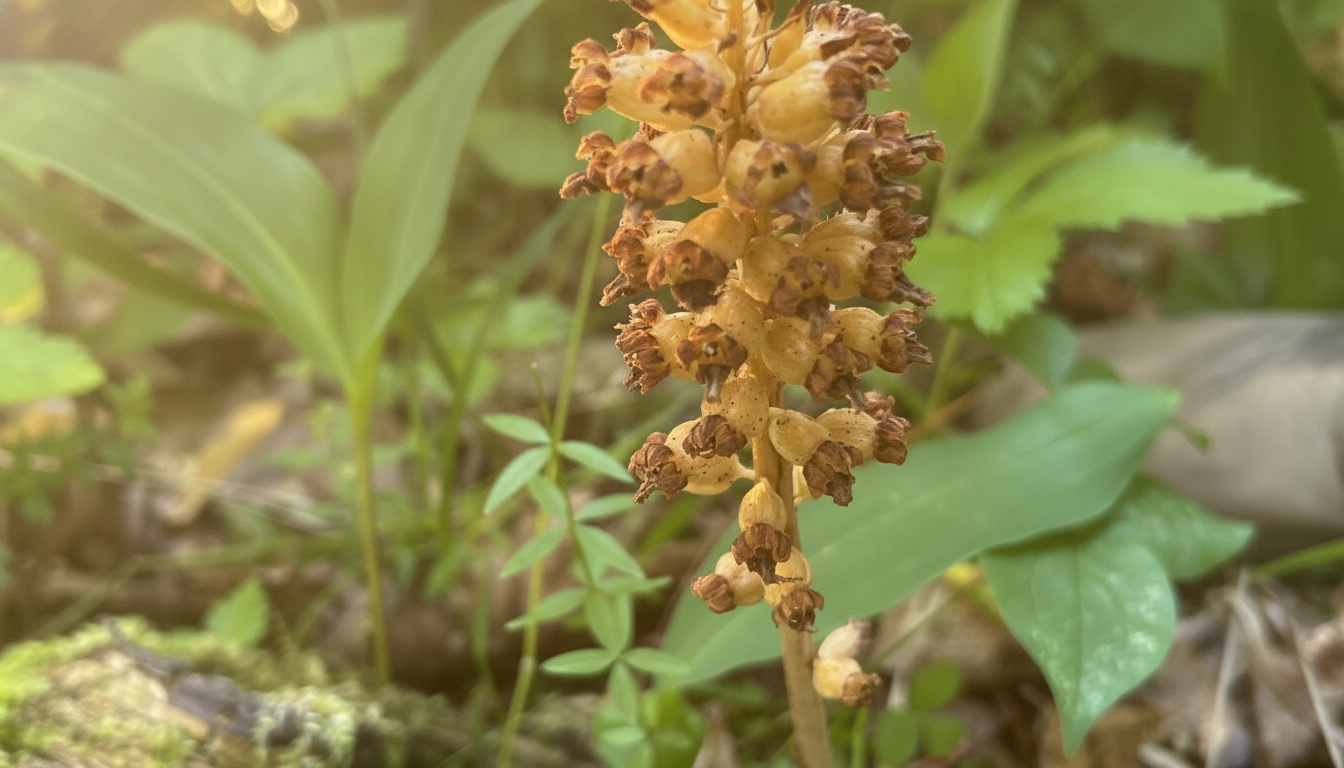
Hidden Orchid Spotted in Chernobyl
According to Novyny.live: A rare orchid species, known scientifically as Neottia nidus-avis (the bird's-nest orchid), has been observed in the Chernobyl Exclusion Zone. This elusive plant from the Orchidaceae family leads a hidden existence, drawing all its nutrients from a symbiotic relationship with fungi rather than through photosynthesis.
Belonging to the orchid family, Neottia nidus-avis spends most of its life cycle underground. Having lost its chlorophyll, it cannot perform photosynthesis and depends entirely on a partnership with soil fungi. Its flowering stalk emerges only in the plant's tenth year, indicating an exceptionally long development period before blooming. Once they appear, the flowers can last up to two months, making the flowering window brief but significant.
This species is listed in Ukraine's Red Book, highlighting its rarity and the urgent need for conservation.
“This extraordinary story begins with a single seed—the Chernobyl Biosphere Reserve,” note experts studying the plant.
Due to its unique ecology and scarcity, the bird's-nest orchid is a vital component of biodiversity in the Chernobyl zone. Monitoring this species could yield fresh insights into how ecosystems recover after radiation exposure.
The discovery of Neottia nidus-avis in the exclusion zone demonstrates nature's ability to rebound following the 1986 nuclear disaster. This orchid may serve as a bioindicator for ecosystem health in areas affected by radiation, underscoring the importance of biodiversity protection in such distinctive natural environments.
Research into species like this one could help shape strategies for preserving and restoring plant life in regions impacted by ecological catastrophes.
Read also
- Three Ukrainians Without Documents Rescued from Occupied Territories Under Bring Kids Back UA Initiative
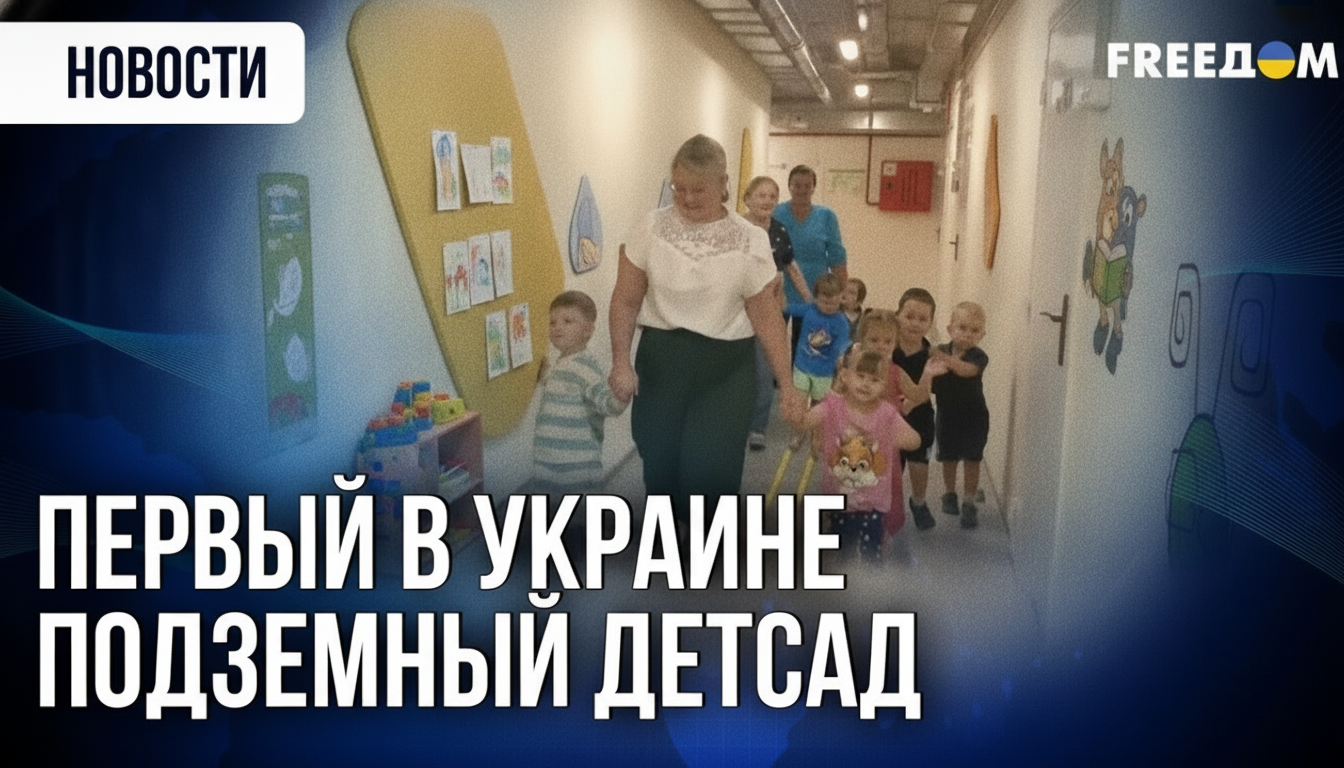
- Ukraine’s first underground kindergarten opens in Kharkiv, accommodating 260 children
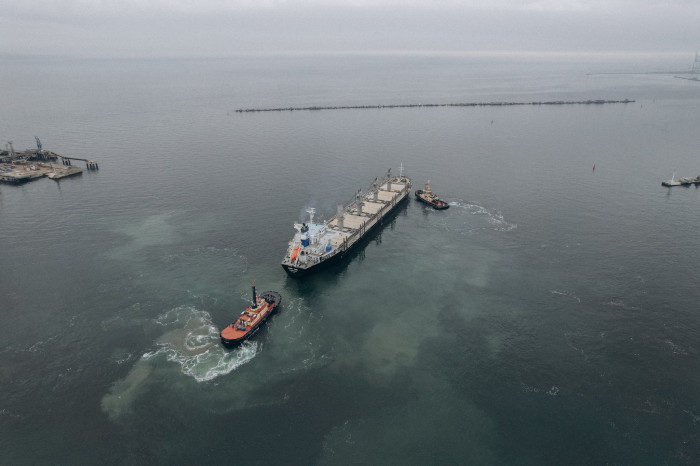
- Ukraine's ports crippled by Russian strikes: 28 vessels hit, 21 killed
- 24 Children Rescued from Occupied Territories by Save Ukraine, Including Injured 13-Year-Old Anhelina
- Woman Faces Up to 7.5 Years in Prison After Attacking Children for Speaking Ukrainian in Poland
- One of the Most Recognizable Voices on Ukrainian Radio, Journalist Oleksandr, Has Passed Away