A Surge in Pregnant Deer Signals Ecological Recovery at Chernobyl.


Pregnant Deer Numbers on the Rise
According to Novyny.live: Scientists have observed a significant increase in the number of pregnant deer within the Chernobyl Radiation and Ecological Biosphere Reserve. This trend is a crucial indicator for monitoring the health of the animal population, suggesting positive changes in the reserve's ecosystem that could influence the future growth of the deer community in this area.
Tracking Population Health
The gestation period for these deer lasts approximately 230 to 250 days, which is standard for the species. Offspring are expected to be born in May or June, aligning with the typical seasonal breeding cycle for deer. Observations by specialists in this field are vital for tracking the population's condition, as they help reveal shifts in environmental conditions and animal health.
These observations allow researchers to study in detail the population dynamics of deer in the reserve, which can serve as an indicator of the ecosystem's overall health. The Chernobyl Exclusion Zone has become a unique, unintended laboratory for studying the long-term effects of radiation on wildlife. The reserve continues to be a critical area for examining the impact of radiation on wild animals and their populations.
The rise in pregnant deer within the Chernobyl Reserve is a positive sign, indicating an improvement in the ecological conditions of this territory affected by radioactive contamination. Studying deer populations under these circumstances can provide valuable insights into how wildlife adapts to environmental change, as well as broader trends in an ecosystem recovering from catastrophe.
This research may prove vital for understanding the long-term consequences of radiation and its impact on nature as a whole.
Read also
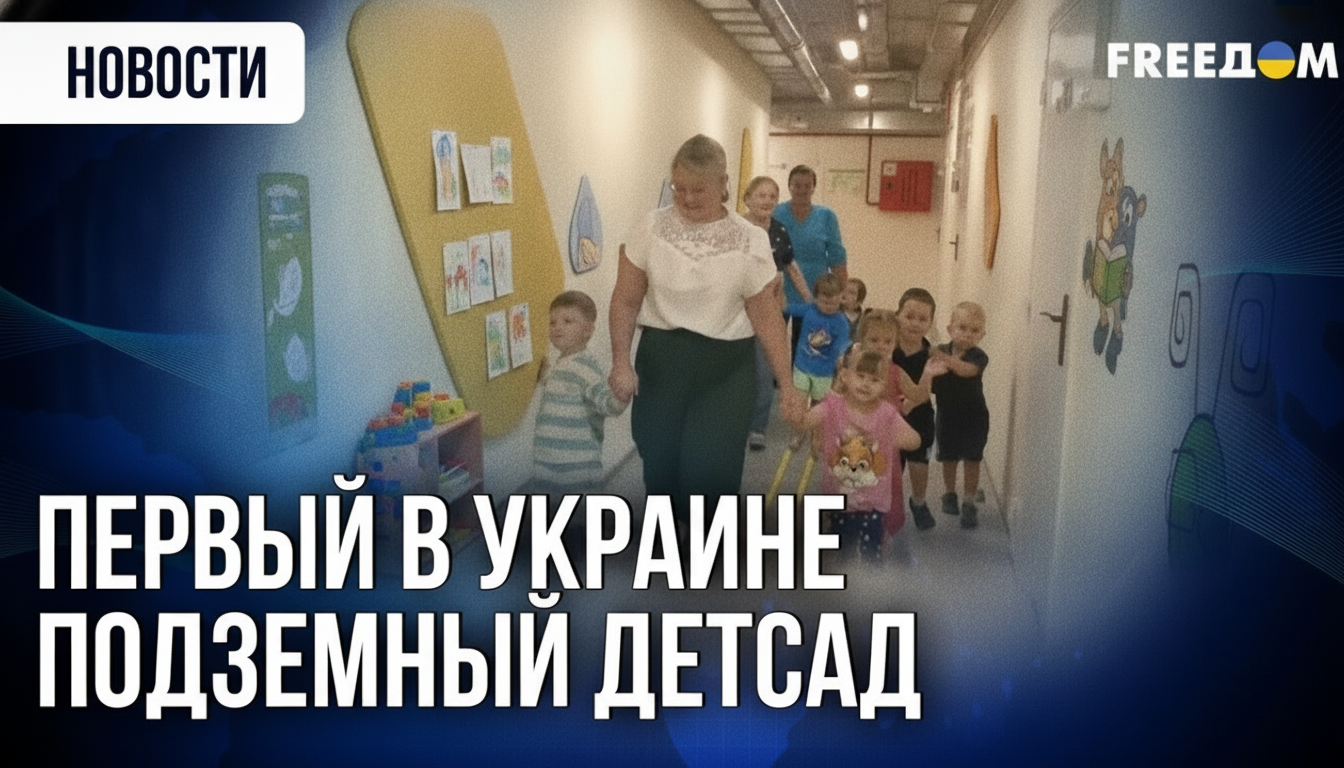
- Ukraine’s first underground kindergarten opens in Kharkiv, accommodating 260 children
- Ukraine's ports crippled by Russian strikes: 28 vessels hit, 21 killed
- 24 Children Rescued from Occupied Territories by Save Ukraine, Including Injured 13-Year-Old Anhelina
- Woman Faces Up to 7.5 Years in Prison After Attacking Children for Speaking Ukrainian in Poland
- One of the Most Recognizable Voices on Ukrainian Radio, Journalist Oleksandr, Has Passed Away
- Crimean Tatars Reclaim Their True History: How Valery Vozgrin’s Work Dismantles Russian Myths