Hogarth's Frescoes in London Opened for the First Time After Restoration.

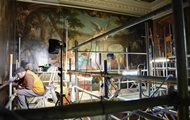
Opening of Hogarth's Frescoes in London
According to Korrespondent.net: In London, after the completion of restoration work, two monumental 18th-century frescoes created by William Hogarth in St. Bartholomew's Hospital were opened to visitors for the first time. For three centuries, these works remained virtually unknown to the general public.
According to
The Guardian, the frescoes "The Pool of Bethesda" and "The Good Samaritan" are located in the northern wing of the oldest hospital in Britain. Now, after restoration, this space is reopened for visits.
Legacy of William Hogarth
William Hogarth, who was born near the hospital, decided to paint the stairs for free after learning that the commission had gone to the Italian artist Jacopo Amigoni. Hogarth had never worked on such a scale before but considered it important to support local artists.
The northern wing of the hospital, built in 1732, once served as a center of charity, but over time its condition deteriorated. It was only after extensive restoration work that it was possible to open it.
Hogarth's frescoes are unique not only for their size but also because they are the only wall works by the artist. These pieces symbolize the fusion of art, history, and charity, inspiring hospital visitors just as they did three centuries ago.
Other News from the Art World
It was previously reported that in the Netherlands, a painting stolen 50 years ago by Pieter Bruegel the Younger, "Woman with Coal", which disappeared from a museum in Gdansk back in 1974, has been found.
A Lost Rubens Painting Found in Paris
News from Korrrespondent.net on Telegram and WhatsApp. Subscribe to our channelsThe opening of Hogarth's frescoes in St. Bartholomew's Hospital is an important cultural achievement for London and signifies a growing interest in the legacy of British artists from the 18th century. This event reminds us of the importance of art in society and its role in shaping cultural identity.
Read also
- Three Ukrainians Without Documents Rescued from Occupied Territories Under Bring Kids Back UA Initiative
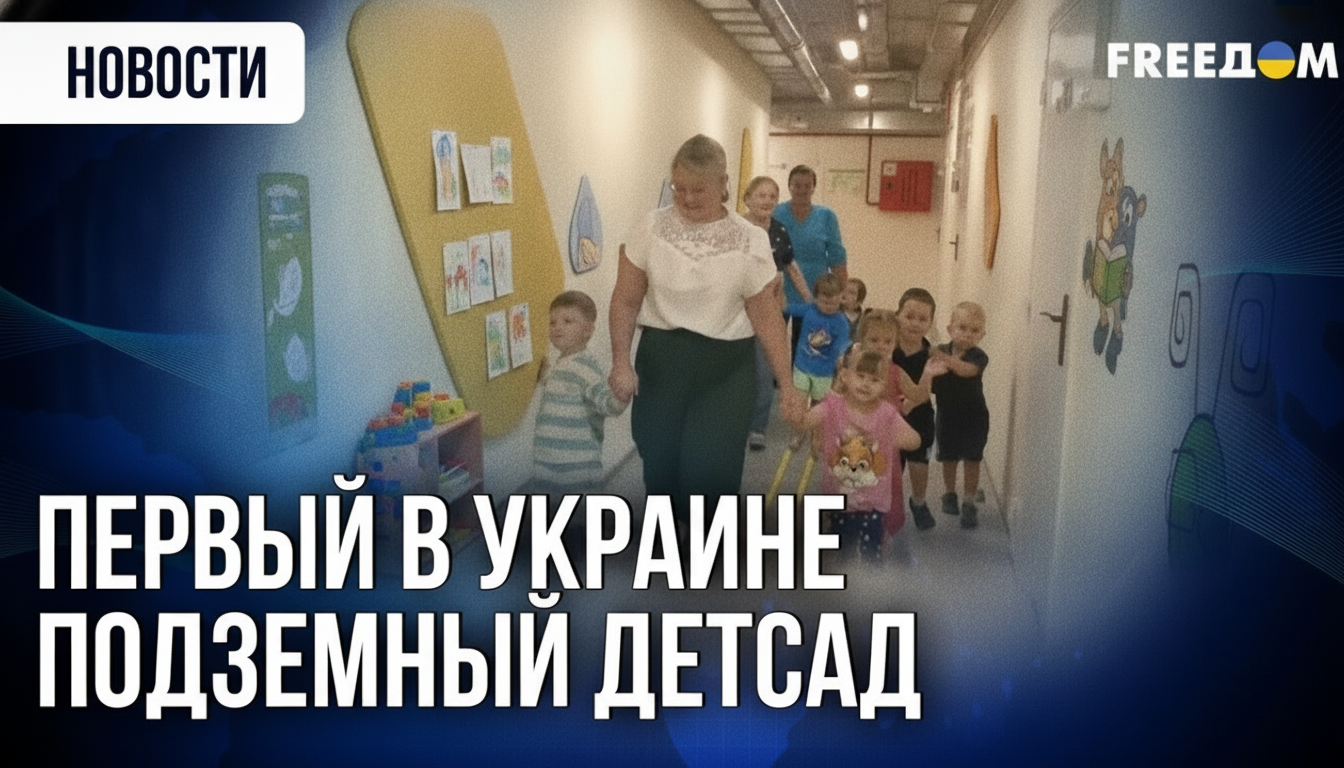
- Ukraine’s first underground kindergarten opens in Kharkiv, accommodating 260 children
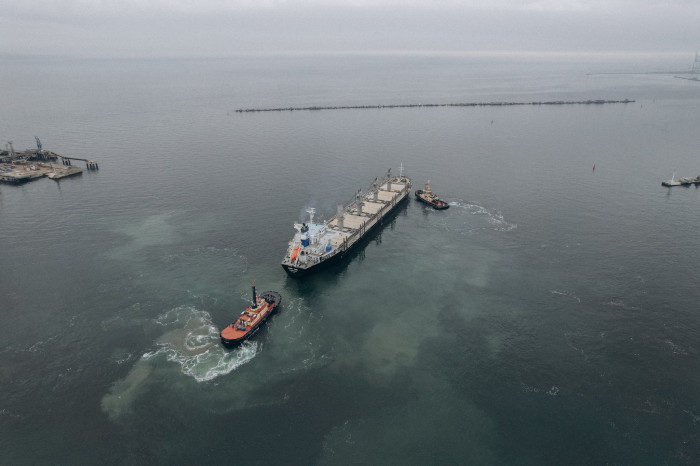
- Ukraine's ports crippled by Russian strikes: 28 vessels hit, 21 killed
- 24 Children Rescued from Occupied Territories by Save Ukraine, Including Injured 13-Year-Old Anhelina
- Woman Faces Up to 7.5 Years in Prison After Attacking Children for Speaking Ukrainian in Poland
- One of the Most Recognizable Voices on Ukrainian Radio, Journalist Oleksandr, Has Passed Away