Milan Protest Targets Russian and Belarusian Participation in Paralympic Games.

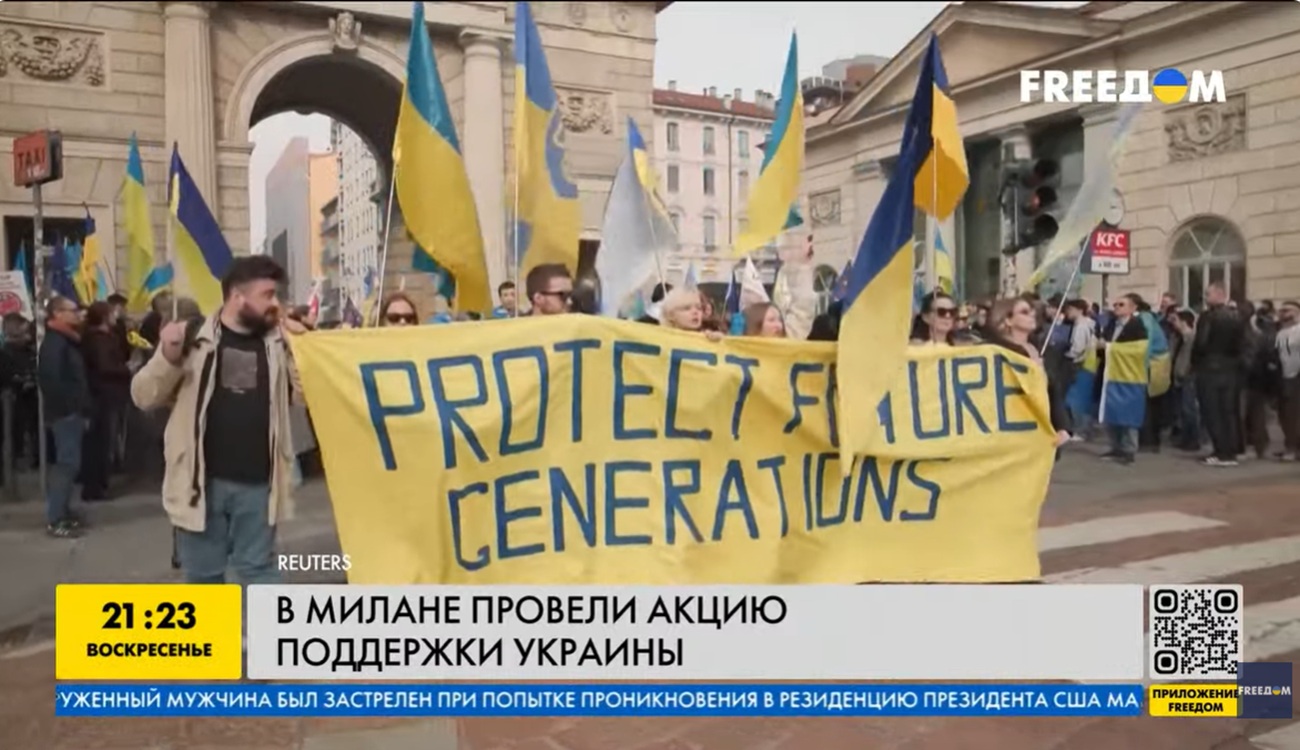
Milan Rally in Support of Ukraine
According to UATV: Ahead of the fourth anniversary of Russia's invasion, a demonstration in support of Ukraine was held in Milan. Protesters voiced strong opposition to the inclusion of Russian and Belarusian teams in the upcoming Paralympic Games. The International Paralympic Committee faces ongoing pressure regarding the participation of athletes from nations involved in the conflict.
During the protest, participants carried banners with messages including:
- “Protect Future Generations”
- “Russia is a Terrorist State”
They also displayed photographs of Ukrainian athletes who have been killed, highlighting the war's tragic human cost. The emotional rally echoed with chants of “Freedom for Ukraine!” in Italian.
Global Backing for Ukraine
This event forms part of a wider international movement supporting Ukraine amidst the prolonged conflict, specifically aiming to draw attention to the ethical dilemma of allowing athletes from aggressor nations to compete in global sporting events. The protest underscores the growing global solidarity with Ukraine, particularly within the realm of sports.
Demonstrators are seeking to spotlight the moral questions surrounding the participation of athletes from countries that support acts of aggression in international competitions. This highlights the critical debate over the role of sport during times of war and the imperative of upholding sporting integrity and ethics on the world stage.
Read also
- Three Ukrainians Without Documents Rescued from Occupied Territories Under Bring Kids Back UA Initiative
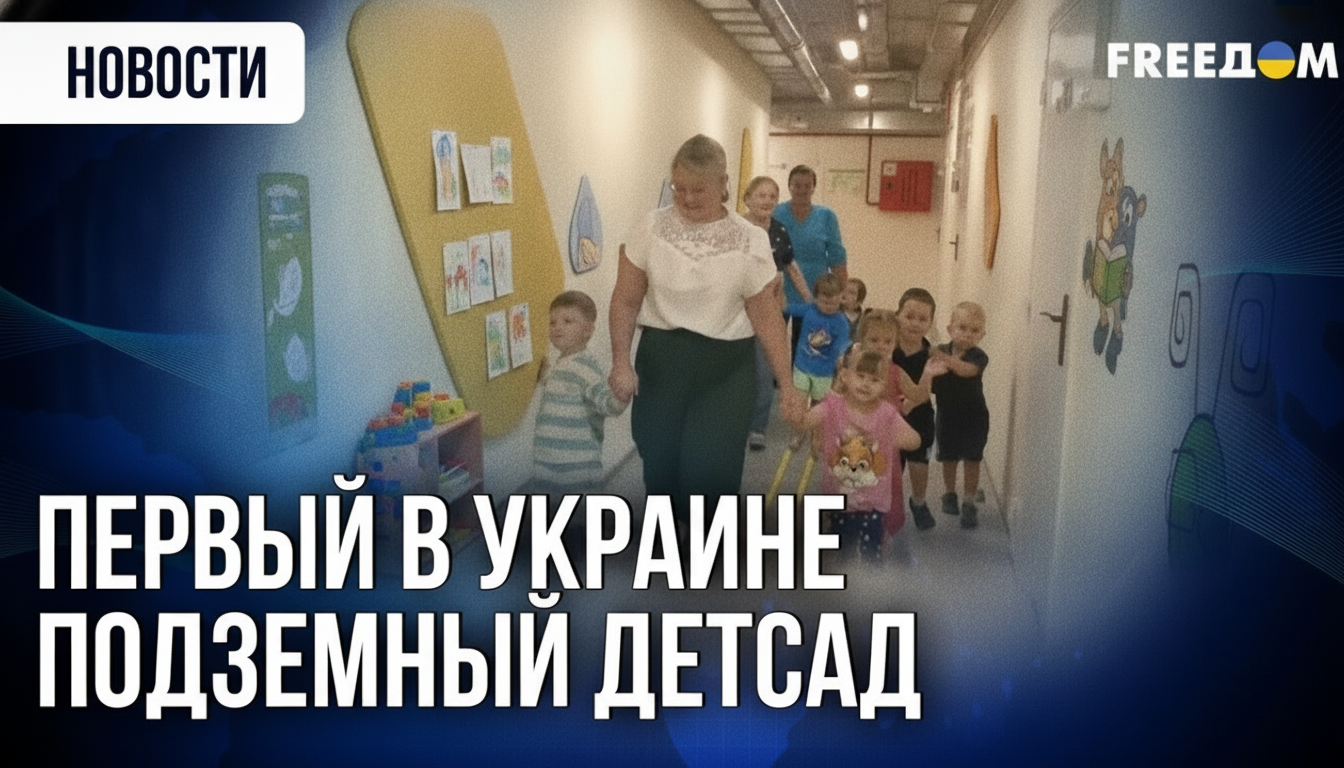
- Ukraine’s first underground kindergarten opens in Kharkiv, accommodating 260 children
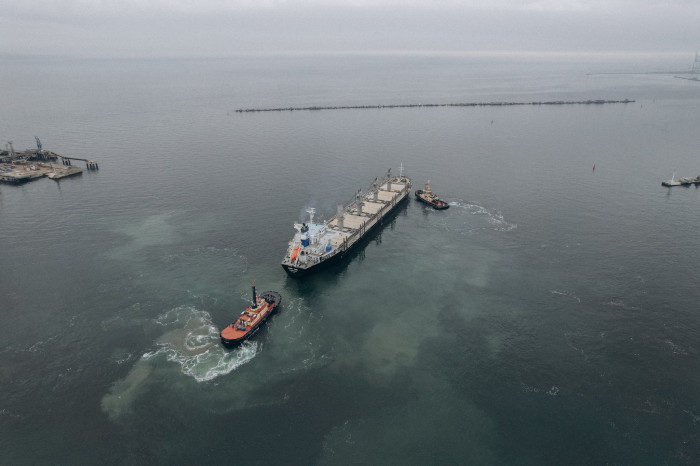
- Ukraine's ports crippled by Russian strikes: 28 vessels hit, 21 killed
- 24 Children Rescued from Occupied Territories by Save Ukraine, Including Injured 13-Year-Old Anhelina
- Woman Faces Up to 7.5 Years in Prison After Attacking Children for Speaking Ukrainian in Poland
- One of the Most Recognizable Voices on Ukrainian Radio, Journalist Oleksandr, Has Passed Away