Poland Considers Ban on Year-Round Living in Garden Plots: Who Will Face Fines First?.

The Issue of Permanent Residence in Polish Summer Cottages
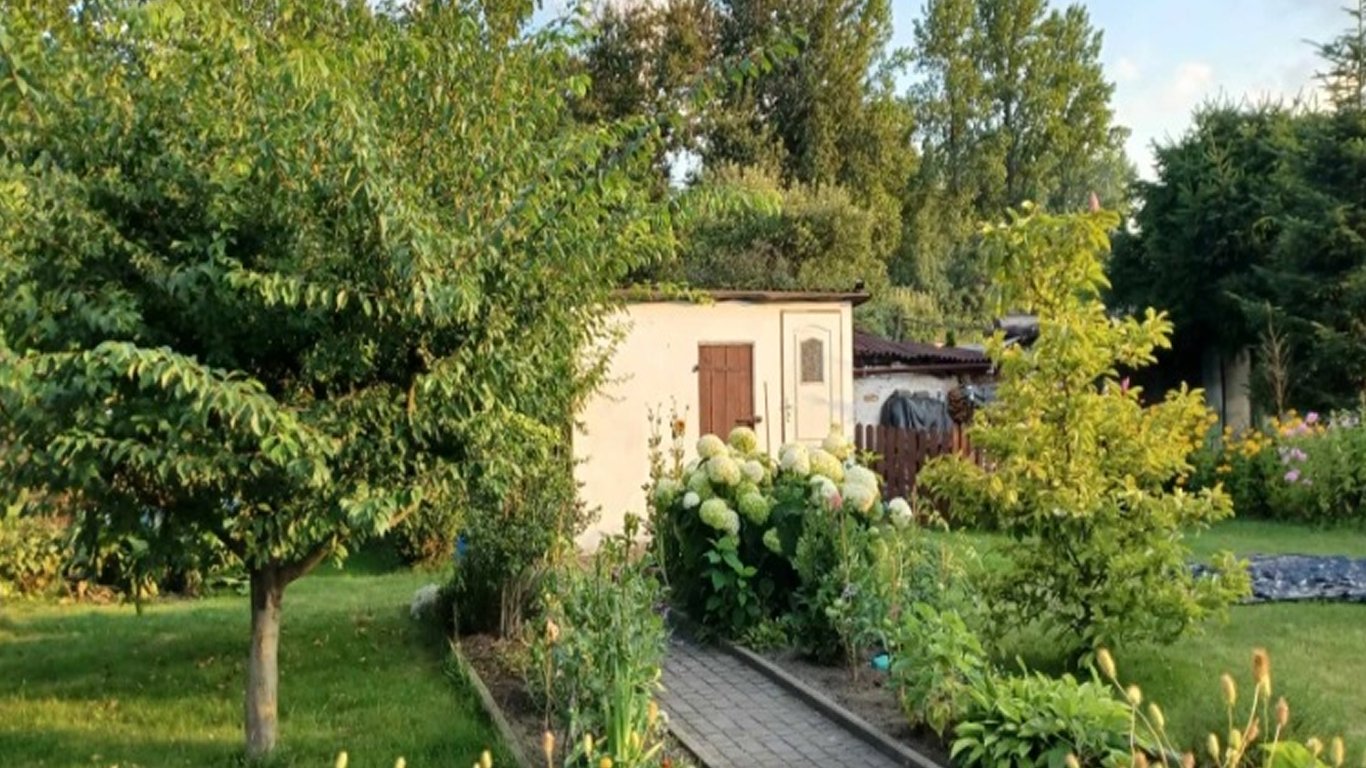
According to Novyny.live: In Poland, authorities are increasingly questioning the legality of living permanently in garden allotments—spaces officially designated only for recreational use. Residing year-round on these plots violates the regulations set by the managing associations, potentially leading to fines and orders to vacate the property. This matter has gained urgency as oversight of garden plot conduct tightens.
Polish allotment gardens (known as RODs) are intended strictly for leisure and relaxation. However, making them a permanent home goes against the rules established by the societies that oversee these areas. It is important to note that registering a permanent address at a garden plot is virtually impossible because these structures lack residential building status, creating significant hurdles for anyone attempting to settle there. The absence of a 'meldunek'—the official document confirming a place of residence—can negatively impact many aspects of life in Poland, from accessing healthcare to opening a bank account.
Challenges of Living Permanently on Garden Plots
Issues arising from permanent occupation of these plots can be flagged by either the administration or neighbors, who have the authority to impose fines for regulatory violations. Certain telltale signs often alert others that a cabin is being used as a full-time home, including:
- noise
- smoke from a stove during the winter months
- structural modifications to the building
For example, excessive noise can disturb visitors who come to the garden for relaxation, while a chimney operating in cold weather clearly indicates continuous habitation.
Furthermore, if the building's floor area exceeds permitted limits, it may trigger an inspection by officials authorized to verify compliance with the rules. In such cases, those living on the plots could face additional demands and potential fines. As a result, the question of permanent residence in Polish garden allotments remains a complex issue that requires careful consideration to avoid unforeseen consequences.
This situation reflects a broader challenge in Poland's property regulation, where the legal status of land and buildings can significantly affect citizens' rights. With growing interest in garden plots—especially during periods of economic change—striking a balance between public needs and legal compliance becomes crucial. The increased enforcement may also signal the government's intent to maintain order within gardening associations, which in turn could reshape social dynamics in various regions.
Read also
- Ukraine’s first underground kindergarten opens in Kharkiv, accommodating 260 children
- Ukraine's ports crippled by Russian strikes: 28 vessels hit, 21 killed
- 24 Children Rescued from Occupied Territories by Save Ukraine, Including Injured 13-Year-Old Anhelina
- Woman Faces Up to 7.5 Years in Prison After Attacking Children for Speaking Ukrainian in Poland
- One of the Most Recognizable Voices on Ukrainian Radio, Journalist Oleksandr, Has Passed Away
- Crimean Tatars Reclaim Their True History: How Valery Vozgrin’s Work Dismantles Russian Myths