Most Ukrainian migrants do not plan to return: data from a new study.

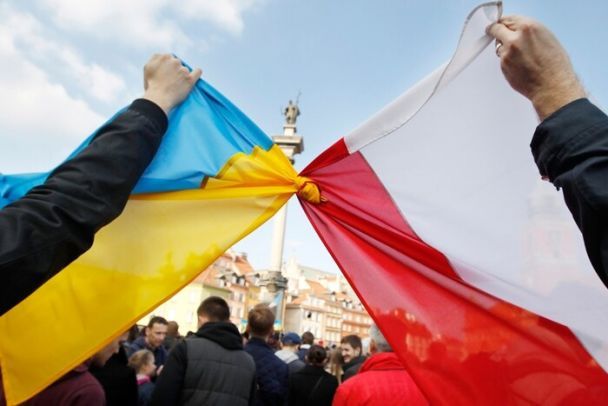
According to ТСН: The integration of Ukrainians in Poland has been improving for the third consecutive year. The wages of Ukrainians are rising, the volume of money transfers home is decreasing, and every fourth refugee and more than half of pre-war migrants do not plan to return to Ukraine.
This is confirmed by a study from the National Bank of Poland (NBP) and data from Gremi Personal.
Economic indicators and incomes
The improvement of the financial situation of Ukrainians in Poland is a key factor in integration.
The average salary of Ukrainians is increasing in accordance with the overall pace of the Polish economy. The highest incomes are observed in the IT, construction, and transportation sectors.
By 2025, Ukrainians mainly rely on money earned in Poland: for pre-war migrants, work accounts for 92% of their income, while for refugees, it is 78%.
NBP notes that the volume of transfers to Ukraine is decreasing as migrants spend more money directly in Poland.
At the same time, the share of people with permanent jobs has increased, but about 36% of refugees still work outside their specialty. The CEO of Gremi Personal, Tomasz Bogdevich, emphasized that this
“represents significant losses of human capital”, the potential of which is not being fully utilized.
Social adaptation and future plans
The situation in the social sphere is also changing. Most Ukrainians (81%) provide their own housing without external assistance (72% rent, 9% buy). In collective centers, primarily people aged 45 and older remain.
Language adaptation has also improved: 63% of respondents speak Polish well or fluently, while only 4% do not know it at all.
The share of Ukrainians living in Poland with partners has increased, while among refugees, there is a decrease in families with children.
Reluctance to return
A key indicator of integration is long-term residency plans:
Pre-war migrants: 51% wish to stay in Poland permanently, 37% have no clear plans.
Refugees: 24% plan to stay permanently, while 56% have no specific intentions.
The highest number of people wishing to live in Poland long-term reside in the western part of the country.
Most popular vacancies
Over the nine months of 2025, Ukrainians most often sought jobs in logistics centers, industry, and food production.
Workers for packaging and sorting goods in warehouses and logistics centers — nearly 49% of all candidates.
Agricultural sectors and food processing — 11.2%.
Previously, it became known how many young Ukrainian men aged 18–22 years have legalized their status after changes in legislation.
All this indicates a gradual but sure integration of Ukrainians into Polish society. A high level of engagement in the economy and increasing language skills confirm that Ukrainians are becoming active participants in the life of the country, which, in turn, can influence the formation of new social and cultural ties in both countries.
Read also
- EU Extends Temporary Protection for Ukrainians Until 2028: Exceptions Apply
- EU Council Extends Ukrainian Protection Until 2028: New Rules Target Men
- EU Commissioner Confirms Extended Protection for Ukrainians Through 2027: What It Means for Men of Draft Age
- Finland Extends Border Closure with Russia: What It Means for Ukrainians
- Kremlin Propaganda Exploits AI and Deepfakes to Stoke Panic Over Migrants in Ukraine
- Over 1.15 Million Ukrainians in the EU Keep Their Status: New Restrictions Don't Apply to Them