Anti-Ukrainian Rhetoric Emerges in Polish Parliament: Lawmaker Urges Return to a Formula of Mutual Forgiveness.

Rising Tensions in Polish Parliament Over Anti-Ukrainian Statements
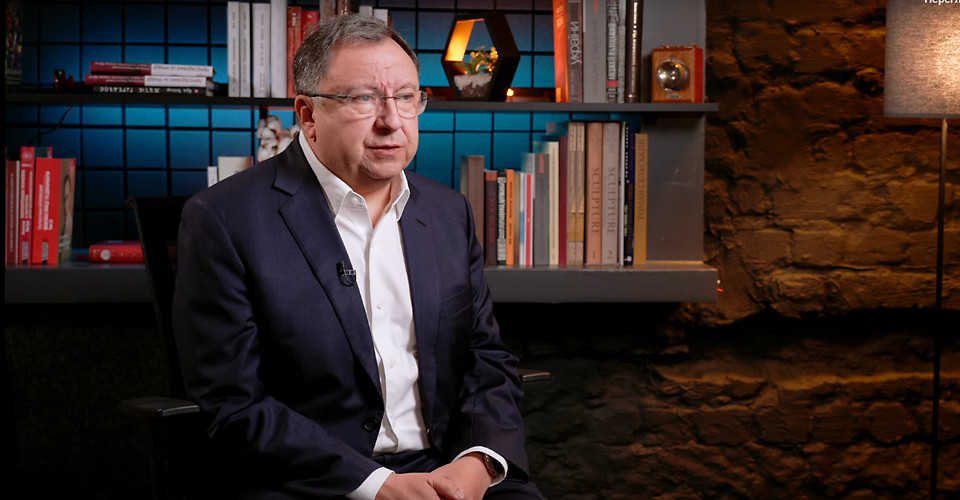
According to Espreso.tv: Mykola Kniazhytskyi, a Ukrainian lawmaker and co-chair of the interparliamentary liaison group with Poland, has raised alarm over anti-Ukrainian slogans now being voiced in the Polish parliament. He expressed concern that these developments are straining Ukraine-Poland relations, particularly in the context of Poland's upcoming elections. Such rhetoric, he warned, could undermine bilateral cooperation at a critical time.
Kniazhytskyi noted that
“anti-Ukrainian slogans have started to appear in the Polish parliament, targeting Poles of Ukrainian descent”and described these expressions as
“a completely Nazi-fascist approach.”He acknowledged that relations between Ukraine and Poland are currently experiencing a notable deterioration.
A Call for Dialogue and Reconciliation
In response to these events, Kniazhytskyi urged both sides to revive the formula of 'I forgive and ask for forgiveness,' originally proposed by Pope John Paul II. He emphasized that this approach offers a path forward, stating,
“We have no other choice but to return to it.”The lawmaker stressed that embracing this principle is essential for restoring neighborly ties and securing a reliable ally for the future.
The call carries added weight as the 25th anniversary of Pope John Paul II's first visit to Ukraine approaches. Kniazhytskyi suggested this milestone could serve as a pivotal moment for rebuilding constructive dialogue between the two nations.
The state of Ukraine-Poland relations holds significance beyond bilateral ties, affecting the broader region. Poland's elections and rising political tensions could have major implications for economic and cultural cooperation between the two countries, which share deep historical bonds and common interests. Kniazhytskyi’s emphasis on dialogue and mutual understanding may help ease current frictions and pave the way for stable, long-term relations.
Read also
- Why the Dismissals of Fedorov and Syrskyi Raise Concerns: What Comes Next
- Poetry, Music, and Remembrance: Honoring Olena Teliha at Babyn Yar
- Knyazhitsky Warns of Deepening Crisis in 'Servant of the People' Faction: What’s Happening Inside
- Forgiveness and Guilt: The 200,000 Ukrainians in Poland’s Army and the Tragedy of 1943
- Ukraine’s Premier Shuffle: What It Means for Military Support
- The War on Civilians: What’s Happening in Occupied Kherson, Mariupol, and Donetsk