In a Stone Fragment 2 Billion Years Old, Scientists Found Microbes.

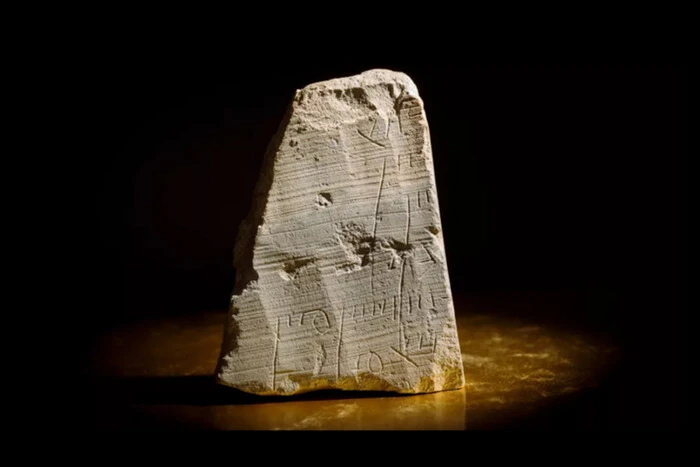
Scientists in South Africa have made a unique discovery that could shake our understanding of the evolution of life on Earth and expand our possibilities in the search for extraterrestrial life. They found living microorganisms in rock extracted from the Bushveld igneous complex. This evidence of life is the oldest found in such ancient geological formations. This was reported by Associate Professor Yohei Suzuki from the University of Tokyo, who is the lead author of the study.
Previously, scientists believed that the oldest microbes found in geological layers were about 100 million years old. But this latest discovery shifts this boundary back by 2 billion years, opening new opportunities for studying the early stages of life evolution on Earth.
To confirm the presence of microorganisms in the samples and rule out contamination, scientists used many modern research methods, including infrared spectroscopy and electron and fluorescent microscopy. The results of the analysis unequivocally confirm the presence of microbes in the rocks even before their extraction.
This discovery also opens the potential to detect traces of life on other planets, particularly Mars. There are rocks on the Red Planet that are older than those where microbes were found in South Africa.
NASA plans to bring samples of Martian rock back to Earth with the Perseverance rover mission. These samples may be similar in age to those studied by Bushveld scientists, giving hope for the detection of signs of ancient microbial life on Mars.
Read also
- Polish Ambassador Honors Victims of the Volyn Tragedy in Olyka: Shared Remembrance Without Hatred
- Veterans Blame Red Tape as State Spending on Prosthetics Jumps 60%
- Nine Soldiers from the 155th Brigade Held After Kidnapping of Two Brothers in Kyiv Region
- 5 Must-Read Books Coming in 2026: Collaboration, Screenwriting, and the Art of Debate
- A Rare 19th-Century Embroidered Icon Seized by Kyiv Customs: What You Need to Know
- Exhumations Begin in Volyn as Communities Pray for WWII Victims