In Zambia, men imprisoned for attempting to kill the president with witchcraft.

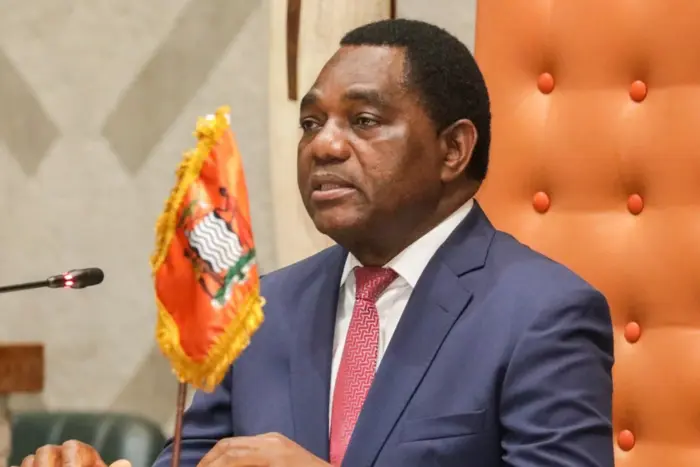
According to inkorr.com: In Zambia, two men received two years in prison for attempting to kill President Hakainde Hichilema using witchcraft. They used amulets, including a live chameleon, in a ritual that they believed would lead to the death of the country's leader.
"The two acknowledged ownership of the amulets. Firi also demonstrated that the tail of the chameleon, if pierced and used in a ritual, would cause death within five days"
The defense attorney for the convicted attempted to obtain a leniency in the punishment, noting that his clients had no previous legal issues. However, the court did not relent and sentenced them to two years in prison for witchcraft and six months for possession of amulets.
Witchcraft Legislation in Zambia
In Zambia, the law regulating witchcraft was introduced back in 1914. Although prosecutions for witchcraft accusations occur quite rarely, this issue sometimes affects individuals, particularly elderly women in villages.
Thus, two men in Zambia were sentenced to imprisonment for attempting to kill President Hichilema through witchcraft. The court decided that they would serve a two-year term for their 'confession' of witchcraft and six months for possession of amulets.
This case reflects the long-standing traditions and beliefs that exist in the country, as well as how legislation attempts to respond to modern challenges. Witchcraft, although rarely prosecuted, remains a sensitive topic in Zambia, where traditions intertwine with modern justice.
Read also
- Three Ukrainians Without Documents Rescued from Occupied Territories Under Bring Kids Back UA Initiative
- Ukraine’s first underground kindergarten opens in Kharkiv, accommodating 260 children
- Ukraine's ports crippled by Russian strikes: 28 vessels hit, 21 killed
- 24 Children Rescued from Occupied Territories by Save Ukraine, Including Injured 13-Year-Old Anhelina
- Woman Faces Up to 7.5 Years in Prison After Attacking Children for Speaking Ukrainian in Poland
- One of the Most Recognizable Voices on Ukrainian Radio, Journalist Oleksandr, Has Passed Away