Russia struck Lviv with the 'Oreshnik' for the first time: what is known about the attack.


According to ТСН: Late in the evening on January 8, Russian military forces struck the Lviv region with a medium-range ballistic missile 'Oreshnik'. This is already the second case of this missile being used to attack Ukraine.
The Ukrainian Air Force reported that the missile was launched from the Kapustin Yar training ground in the Astrakhan region. The Mayor of Lviv Andriy Sadovyi noted that this was the first instance of the 'Oreshnik' hitting the region. Previously, Russian troops attacked the area using drones and non-ballistic missiles.
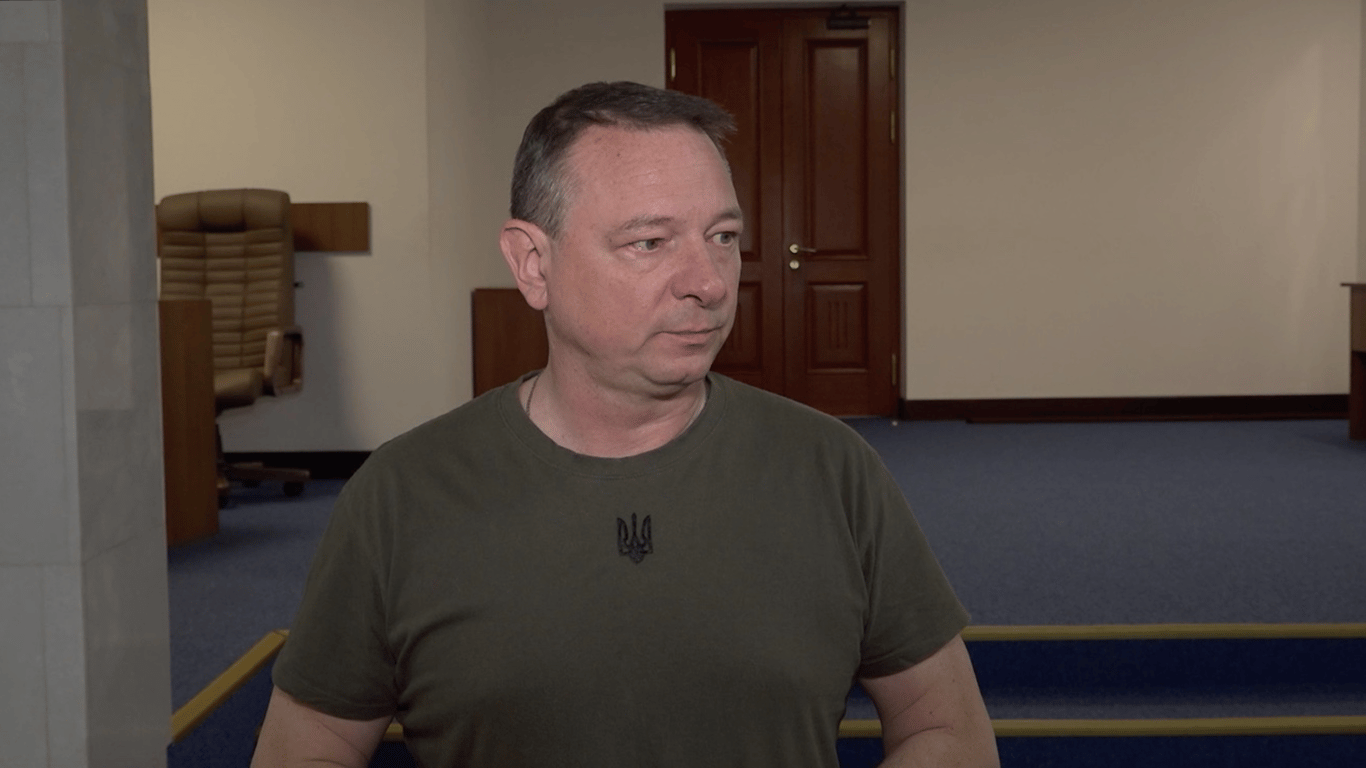
Member of the Ukrainian Parliament Serhiy Nagornyak emphasized that the gas infrastructure of Lviv region was not the target of the attack. He explained that the strikes were aimed at a facility that is not connected to gas supply, and there was no critical damage to the gas infrastructure.
'Oreshnik' with a conventional warhead could not damage the underground gas storage since the facility is located hundreds of meters underground. To cause even partial damage, either nuclear weapons or an extremely powerful 'seismic' strike would be required.
Why did the Russian Federation strike with the 'Oreshnik'
Analysts believe that the Kremlin carried out shelling of the westernmost part of Ukraine with the 'Oreshnik' missile to deter Europe and the USA from providing security guarantees to Ukraine.
They emphasize that the Russian Ministry of Defense attempted to justify this strike as a response to an alleged 'attack' by a Ukrainian drone on Vladimir Putin's residence in Valdai on the night of December 29. However, Western media reported that the CIA ruled out the possibility of such a strike, as confirmed by the ISW assessment.
The strike with the 'Oreshnik', according to the Institute's remarks, was part of a Russian nuclear attack and was aimed at intimidating Western countries to refrain from providing military support to Ukraine, particularly from deploying troops as part of a peace agreement.
'The Kremlin has repeatedly stated that such Western security guarantees would be 'unacceptable' for Russia, and foreign troops would be 'legitimate' targets. The use of a missile capable of carrying nuclear weapons, with a multi-purpose warhead with independent guidance directed at Western Ukraine, likely aimed to threaten the 'Coalition of the Willing' and deter such military deployments that could potentially operate far from the front line in western Ukraine,'ISW emphasizes.
In addition, it is worth noting that Putin presented the first use of the 'Oreshnik' missile by Russia in November 2024 in Dnipro as a direct response to Ukrainian ATACMS and Storm Shadow strikes on military facilities in Russia.
The 'Oreshnik' strike on Lviv
Late in the evening of January 8, the Russian army struck Lviv with the 'Oreshnik' for the first time during the war. The missile traveled on a ballistic trajectory at a speed of about 13,000 km/h, which is considered 'hyperspeed'. Explosions in the city occurred just a few minutes after the air raid alert was declared.
The Russian Ministry of Defense confirmed the 'Oreshnik' attack on Ukraine, claiming it was a response to an alleged 'attack' by drones on Putin's residence in Valdai. The agency stated that they likely hit drone manufacturing facilities of the Armed Forces of Ukraine and energy infrastructure at night.
The Security Service of Ukraine displayed missile debris. Among the found parts were: stabilization and guidance block (essentially the 'brains' of the missile), parts from the engine unit, fragments of the orientation mechanism, nozzles from the release block platform. Investigators qualify the use of this weapon against civilian infrastructure as a war crime.
Thus, the attack with the 'Oreshnik' missile on Lviv reflects a new stage of the aggressive policy of the Russian Federation, which aims to intimidate Ukraine and its international partners. Despite Moscow's attempts to portray the strikes as a response to attacking actions from Ukraine, the international community continues to condemn such actions and expresses support for Ukraine in its fight for sovereignty and security.
Read also
- Strikes on Moscow Shatter Putin’s Image of Invincibility, Expert Explains
- Kyiv Council Allocates an Extra UAH 2 Billion for Military Support: What This Means
- Zelensky in Brussels: NATO and Ukraine to Announce Ramstein Meeting Outcomes
- Zelenskyy Urges Stronger Air Defense in Brussels: New Threats Emerge
- At Ramstein, Zelenskyy Pushes for Deeper Defense Integration: Key Takeaways from the Talks
- Europe Can Only Build a Strong Army with Ukraine, Zelensky Tells Ramstein Allies