Hungarian Politicians Allege Ukrainian Election Interference.

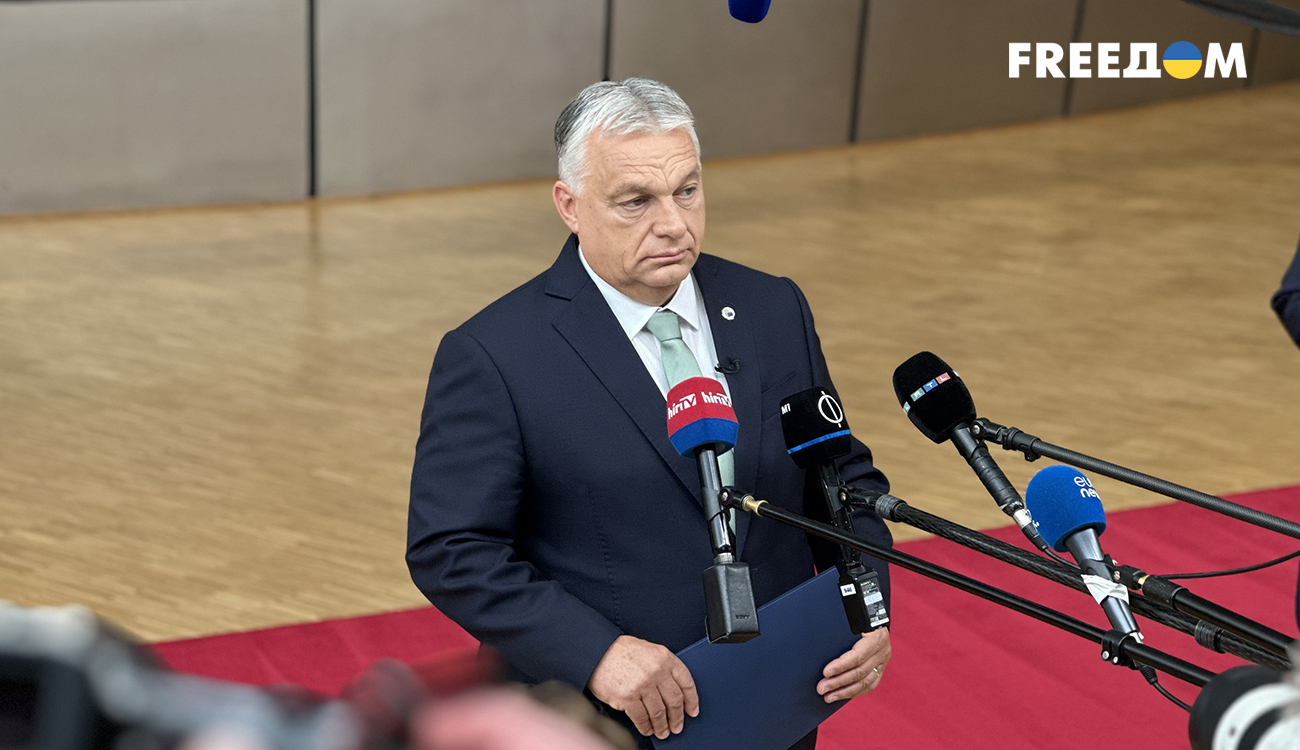
Political Tensions Rise in Hungary
According to UATV: Ahead of parliamentary elections scheduled for April 12, Hungarian officials have leveled accusations against Ukraine, claiming it is interfering in the electoral process. This has fueled a rise in anti-Ukrainian rhetoric within Hungarian society. Prime Minister Viktor Orbán and Foreign Minister Péter Szijjártó have expressed concerns, alleging that Ukraine is attempting to influence the Hungarian elections and criticizing its inability to end the war with Russia. This dispute occurs within the broader context of Orbán's long-standing, contentious relationship with the EU and his warmer ties with Moscow.
Opposition Criticism and Growing Support
Viktor Orbán faces criticism for his populist rhetoric, which intensified following a failed national survey that saw less than 20% voter turnout. In a statement on January 6, 2023, he claimed the European Union would 'collapse on its own.' Later, in December 2025, Orbán blocked the adoption of an EU statement on enlargement, which had assessed Ukraine's progress toward membership.
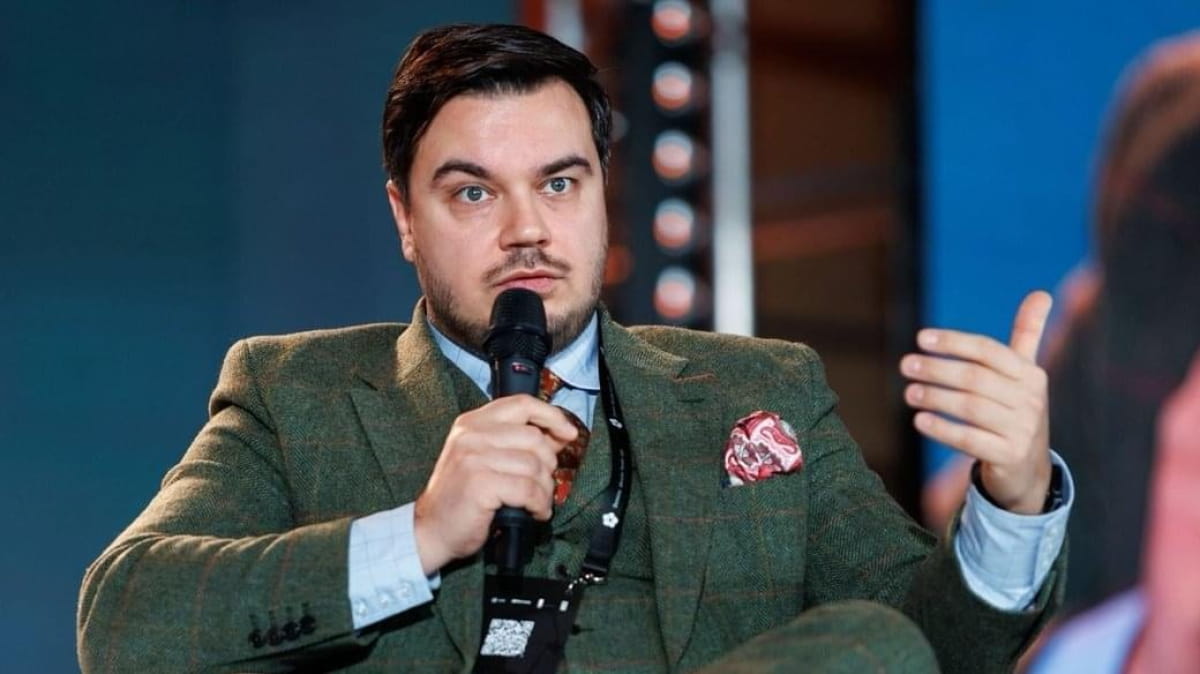
The political landscape is further complicated by the rising support for the opposition party 'Tisza,' which as of January 13 leads the ruling 'Fidesz' party by 12%. In response to Orbán's statements, some experts argue his strategy may lead to political downfall. For instance, political analyst Igor Chalenko noted:
'I personally think Orbán is doing a great job—let him continue, as he is simply bringing his political end closer.'
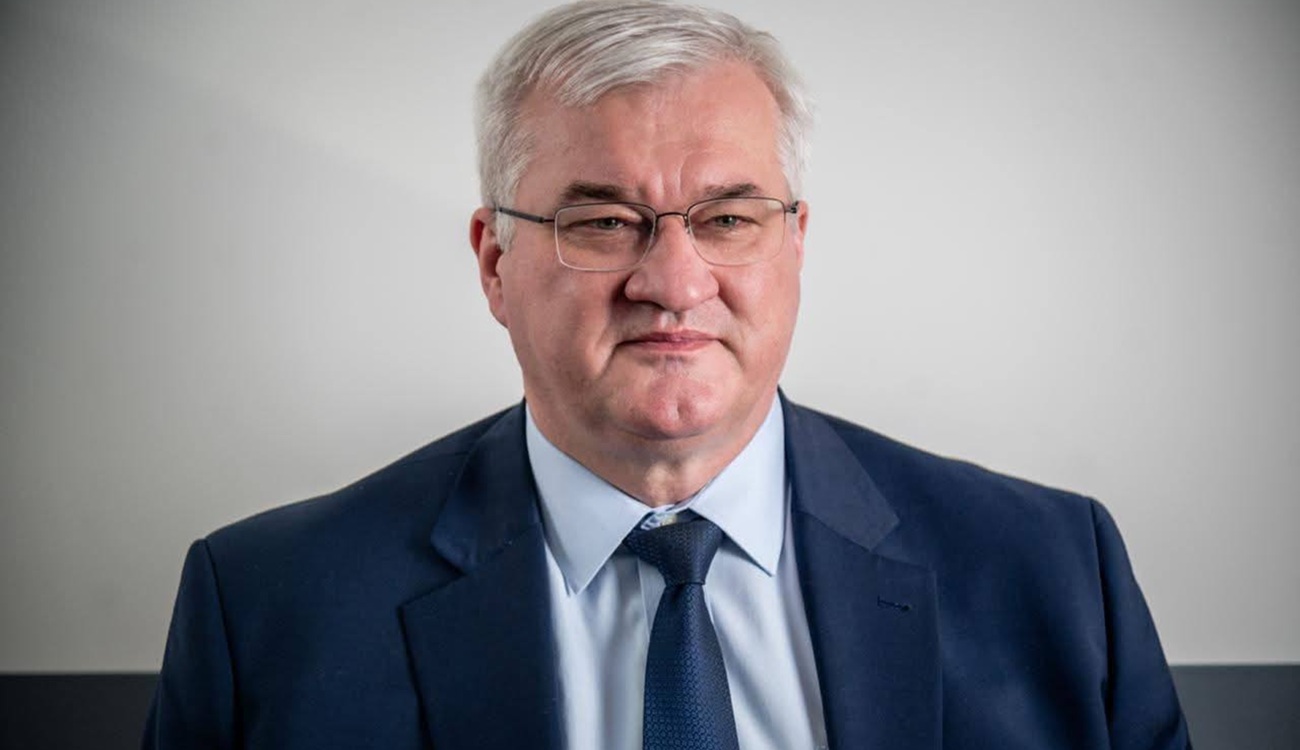
Similarly, Andriy Sybiga commented:
'This plan is doomed to fail, Mr. Prime Minister. Your master in Moscow will not last 100 years, even if you were prepared to transplant every organ for him.'
Consequently, the political situation in Hungary remains tense, and the accusations against Ukraine could have serious repercussions for bilateral relations and the country's domestic political climate. The approaching elections may prove decisive, as the escalation of anti-Ukrainian sentiment could impact the standing of both the ruling Fidesz party and its rivals. Furthermore, internal competition among Hungary's political forces may reshape the domestic landscape, which would in turn influence the country's foreign policy, particularly its relations with Ukraine and the European Union.
Read also
- Hungary's Top Prosecutor Steps Down After Controversy Over Ukrainian 'Gold Convoy'
- Orbán Accuses Hungary’s New Government of Autocracy: What’s Unfolding
- Hungarian prosecutors search Fidesz party headquarters over €47 million fund distribution probe
- Hungary Braces for Major Probes: Orban and Szijjarto Could Face Consequences for Alleged Kremlin Ties
- Orban Accuses Former Foreign Minister Szijjarto of Treason Over Alleged Moscow Ties
- BYD Offers Top Job to Hungary's Former Foreign Minister Peter Szijjarto