Hospitals and Schools in Six Ukrainian Cities to Receive 300 New Generators.


Critical Infrastructure Receives Power Support
According to Novyny.live: Ukraine has taken delivery of 300 generators to support vital public services, including hospitals, schools, and kindergartens. With a combined capacity of 1.65 megawatts and a value exceeding €417,000, this equipment is crucial for maintaining power in cities heavily impacted by Russian strikes on the national energy grid. These attacks have created an urgent need for backup power to sustain essential civilian life.
Allocation of Equipment to Specific Regions
The generators will be distributed to the following cities:
- Kyiv - 100 units
- Odesa - 50 units
- Mykolaiv - 50 units
- Sumy - 50 units
- Kherson - 40 units
- Lviv - 10 units
Oleksii Kuleba emphasized that the generators are critically important for communities regularly facing the consequences of Russian attacks on energy infrastructure. This equipment will help ensure stable conditions for the operation of medical and educational institutions during this difficult period.
The delivery marks a significant step in bolstering Ukraine's energy security amid persistent threats from Russian forces. Providing generators for critical infrastructure will mitigate the negative impact of power outages, thereby improving the resilience of healthcare and education facilities. These actions also demonstrate ongoing international support for Ukraine's struggle to maintain energy independence and stability.
Read also
- Three Ukrainians Without Documents Rescued from Occupied Territories Under Bring Kids Back UA Initiative
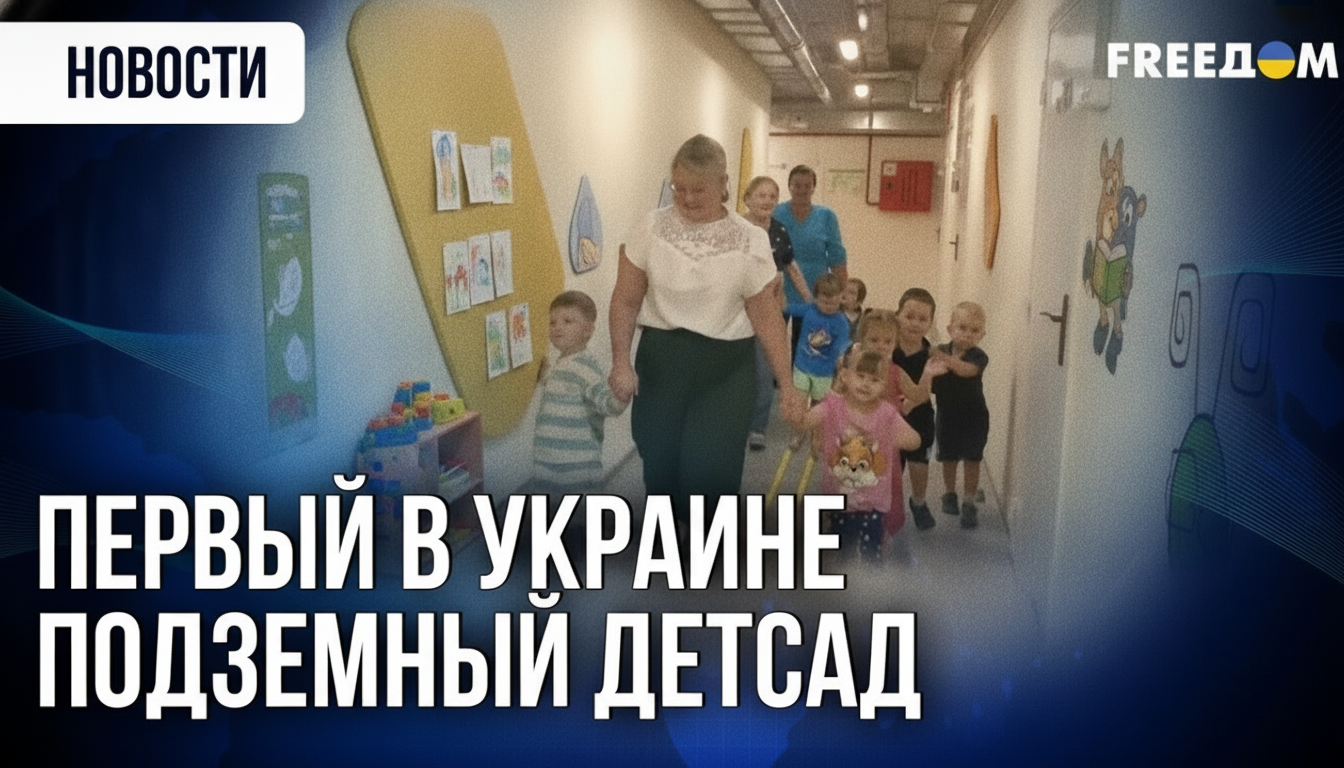
- Ukraine’s first underground kindergarten opens in Kharkiv, accommodating 260 children
- Ukraine's ports crippled by Russian strikes: 28 vessels hit, 21 killed
- 24 Children Rescued from Occupied Territories by Save Ukraine, Including Injured 13-Year-Old Anhelina
- Woman Faces Up to 7.5 Years in Prison After Attacking Children for Speaking Ukrainian in Poland
- One of the Most Recognizable Voices on Ukrainian Radio, Journalist Oleksandr, Has Passed Away