







German teachers do not work for free: why this is the norm and what their salaries are.
According to ТСН: In German schools, it is not customary to stay after lessons. This is not seen as a manifestation of self-sacrifice, but rather the opposite. According to local professional standards, a teacher should finish their workday on time, and extra unpaid work is considered 'sycophancy'.
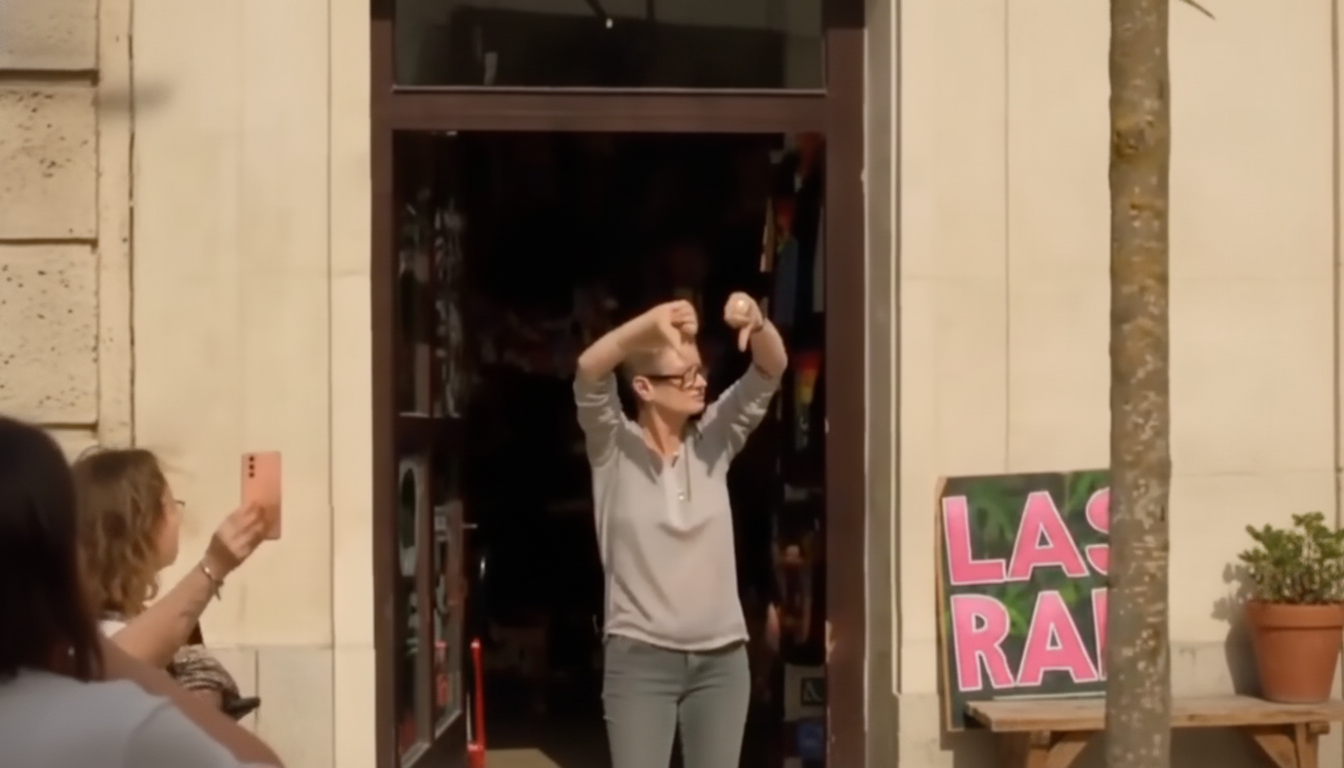
This was shared by teacher Irina Hondyul:
“When a teacher works more hours than they are paid for, it does not look like 'dedication', but like an attempt to please the principal. Because the principal cannot afford to pay for those hours. It is considered normal to go home on time. Not to take on extra burdens. Not to do things for which no one pays. And no one says: 'You are a teacher, please work a bit more.' Because there it would sound strange,” noted the Ukrainian teacher.
This practice forms a new culture of attitude towards the profession: avoiding professional burnout is considered part of healthy working conditions, not a weakness. If a teacher still feels signs of exhaustion, they can take a sick leave specifically due to burnout, as the state is interested in keeping teachers capable of working.
“After working in a German school, some insights have imprinted on me very deeply. Perhaps that is why teachers' self-esteem is high there — because the system does not teach 'to endure', but teaches to value oneself in work,” added Hondyul.
Teachers' salaries
Teachers' salaries in Germany depend on the subject, federal state, and experience. According to TerraTern, EU directives that will come into effect in 2026 provide for equalizing salaries for kindergarten educators across the country and partial salary increases for junior teachers.
For example, teachers in Berlin grammar schools with more than 20 years of experience earn about 5000 euros a month. The highest salaries among STEM professionals are recorded in Saxony: a mathematics teacher earns approximately 5178 euros a month.
The draft state budget for 2026 also provides for a significant increase in funding for the education sector, including a 30% increase in teachers' salaries starting January 1.
Thus, the German education system emphasizes the importance of work-life balance, which positively affects teachers' professional self-esteem. Planned changes in pay may be another step towards improving working conditions for educators, which can reduce the risks of professional burnout in the future.
Read also
- Layboard.com: how the job search market is changing in the era of professional communities
- Up to €3,000 Monthly: How to Land a Job as an International Truck Driver in the EU
- What opportunities does working in EU countries provide?
- Hundreds of Jobs for Ukrainians at Poland's Zabka: Pay and Perks Revealed
- Buckingham Palace Seeks Kitchen Porter with On-Site Accommodation and Contract Until 2028
- Key Updates for Ukrainians in Germany: Minimum Wage and Driving Rules in 2026