Poland's Sole Subway: A Comparison of Warsaw's Metro with Ukraine's Systems.

The History of Warsaw's Metro
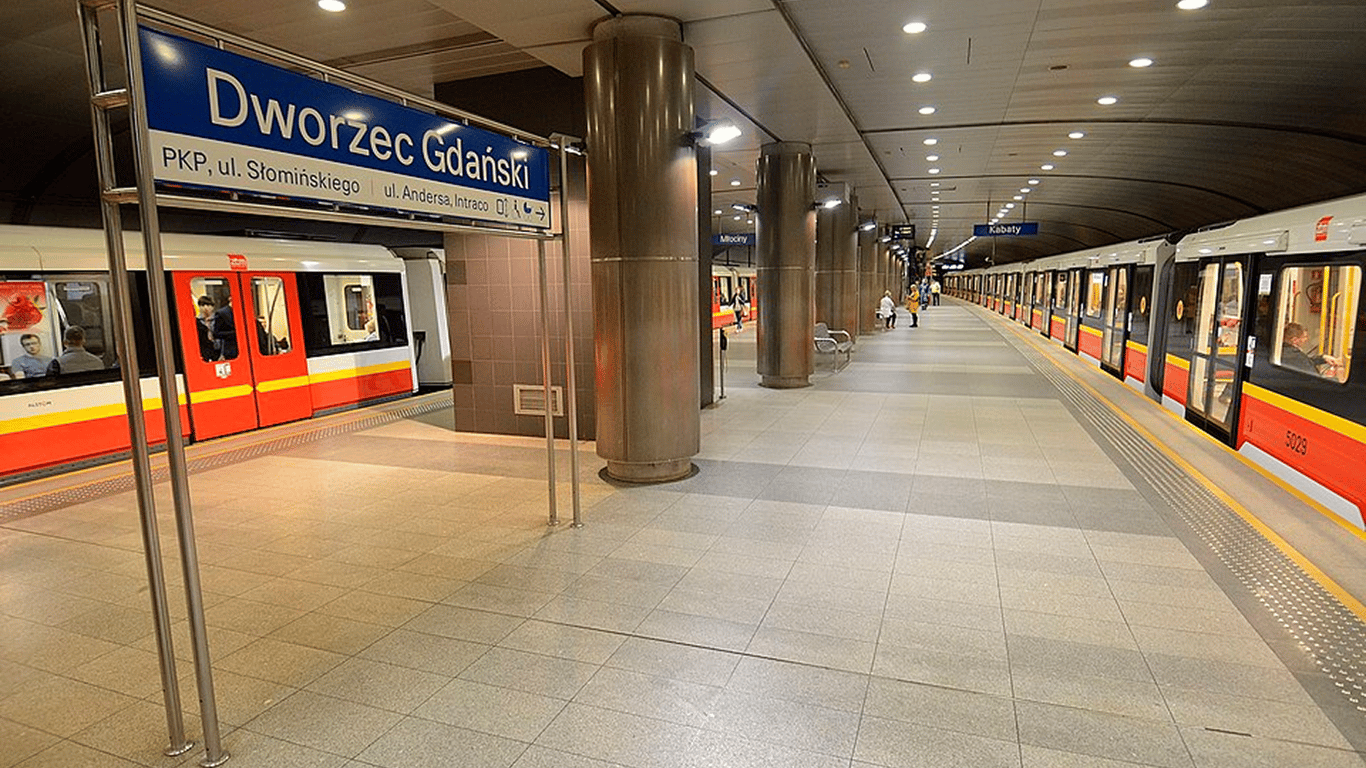
According to Novyny.live: As Poland's only underground railway, the Warsaw Metro presents a fascinating case study when compared to the systems in Ukraine. Plans for a subway in the Polish capital were first considered in the 1920s, with the city council approving a design for two lines: north-south and east-west. However, construction did not begin until 1938. The first section finally opened in April 1995, marking a pivotal moment for Warsaw's public transport infrastructure. This late start contrasts sharply with the earlier development of metros in the former Soviet Union.
Current Status and Comparison with Ukrainian Metros
Today, Warsaw operates two metro lines: M1 and M2. The M1 line stretches 23 kilometers and serves 21 stations, while the M2 line currently has 13 stations. Świętokrzyska station is the system's sole interchange point, connecting the two lines for passenger convenience.
In contrast, Ukraine's metro systems have a longer history. The Kyiv Metro launched in 1960, followed by Kharkiv's in 1975. The Kryvyi Rih Rapid Tram began service in December 1986, and the Dnipro Metro also opened in 1995, coinciding with Warsaw's inaugural line. These dates highlight the differing paces of underground transit development in Poland and Ukraine, reflecting the distinct infrastructural paths chosen by their capital cities.
A map of the Warsaw Metro reveals a compact and efficient layout designed to facilitate travel across the city. For international observers, it's notable that despite its later commencement, the Warsaw Metro has become a crucial component of the city's infrastructure, providing fast and reliable transport for residents and visitors alike.
"The development of metro systems in Warsaw and Ukraine illustrates different strategic approaches to managing urban transport infrastructure."
Although it began operations later, the Warsaw Metro has demonstrated considerable effectiveness in passenger service, offering potential lessons for Ukrainian cities seeking to modernize their own transit networks. Studying Warsaw's experience could aid Ukraine in planning and developing its metro systems, contributing to improved urban mobility and reduced road congestion.
Read also
- Woman Faces Up to 7.5 Years in Prison After Attacking Children for Speaking Ukrainian in Poland
- One of the Most Recognizable Voices on Ukrainian Radio, Journalist Oleksandr, Has Passed Away
- Crimean Tatars Reclaim Their True History: How Valery Vozgrin’s Work Dismantles Russian Myths
- Ukraine's Birth Rate Drops 16%: Deaths Outnumber Births by Three to One in First Half of 2026
- Real Combat Readiness: How the National Guard's 'Scythian' Brigade Trains Its New Recruits
- Poetry, Music, and Remembrance: Honoring Olena Teliha at Babyn Yar