The Assassination of Iran's Supreme Leader: The Regional Impact of Khamenei's Death After 37 Years.

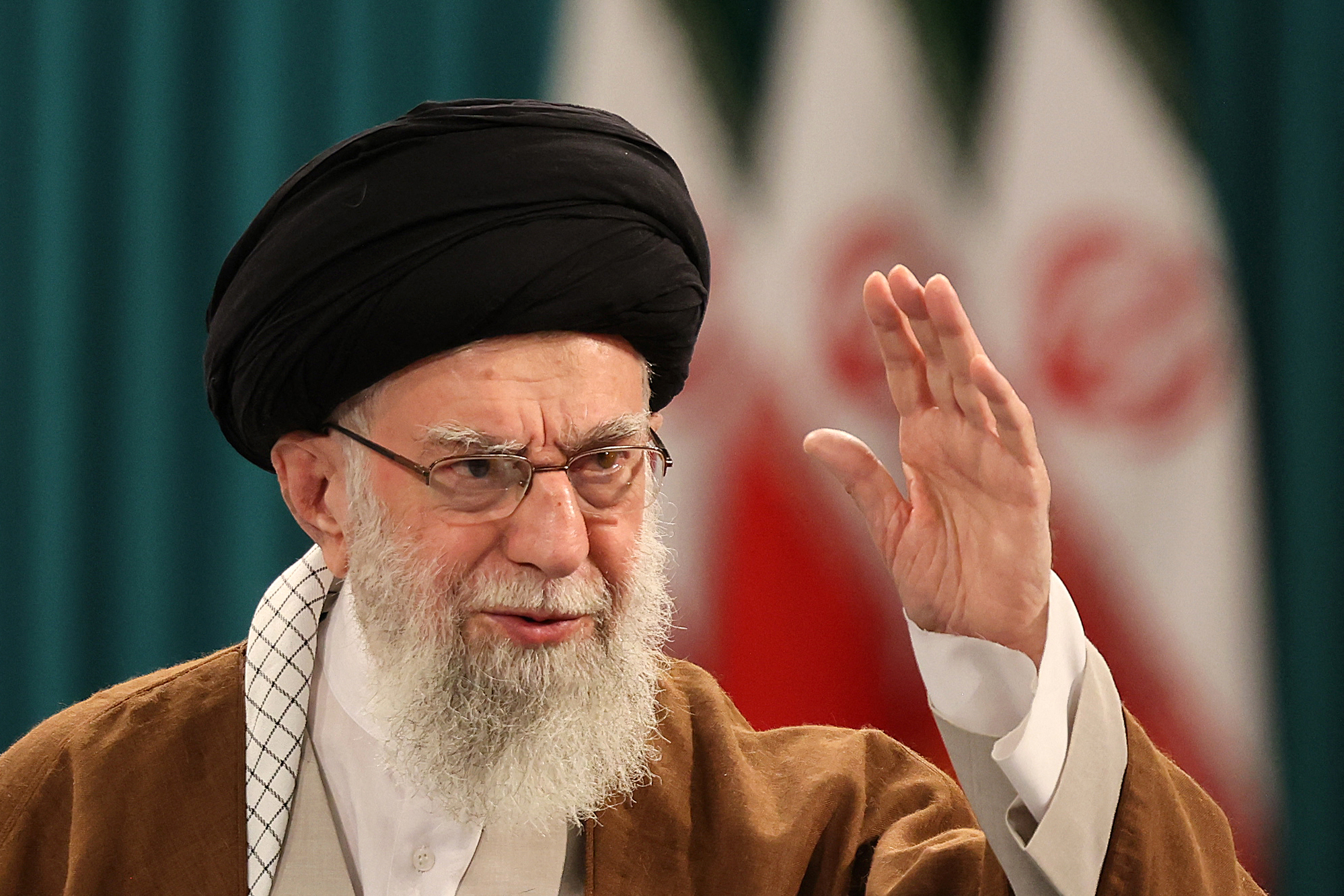
The Assassination of Ayatollah Ali Khamenei
According to Vox - Загальний: Ayatollah Ali Khamenei, Iran's Supreme Leader for 37 years, was killed in airstrikes conducted by the United States and Israel. The attack targeted his home office on the first day of the war, triggering outrage and alarm both within Iran and internationally. Khamenei had assumed power following the death of Ayatollah Ruhollah Khomeini in 1989, becoming a pivotal figure in Iranian politics. His tenure was defined by domestic repression, widespread protests, and a confrontational foreign policy aimed primarily at the U.S. and Israel. His death creates a profound power vacuum in a nation already facing significant internal pressures.
The Legacy of Ali Khamenei
Born in Mashhad in 1939, Ali Khamenei served two terms as Iran's president during the 1980s before becoming Supreme Leader. His rule was marked by major protest movements, including the 2009 Green Movement and the 2022 'Woman, Life, Freedom' uprising, which became symbols of the Iranian people's struggle for rights. In foreign policy, he championed the construction of the 'Axis of Resistance' across the Middle East. In 2015, he gave his approval for the nuclear deal with the U.S. and other nations, a move that drew mixed reactions both inside and outside Iran. Alex Vatanka, an expert on Iranian politics, noted that
"when it came to the ultimate test—standing up to the United States—his rhetoric was often louder than his actions permitted."He also stated that Khamenei
"consistently chose force and repression as his method for staying on top."
Following his death, the formation of a three-member interim council was announced to assume Khamenei's duties. This step underscores the instability within the country, where political infighting and social unrest are likely to intensify. Khamenei leaves behind a complex legacy that reflects both the achievements and the failures of his lengthy rule. The Supreme Leader's role is the most powerful in Iran, combining ultimate religious and political authority.
The death of Ali Khamenei is poised to trigger significant shifts in Iran's political landscape. Given his long tenure and deep influence, any new leadership will face immense challenges in restoring stability and managing social discontent. The immediate creation of an interim council points to a potential power struggle among the elite, which could further complicate the regional situation and have far-reaching consequences for Middle Eastern geopolitics.
Read also
- Khamenei’s Funeral Procession Reaches Iraq: Supreme Leader’s Coffin Taken to Shia Holy Sites
- Hundreds of Thousands Gather in Iran for Khamenei’s Funeral: July 4 Date Was No Coincidence
- Iran’s New Supreme Leader Mojtaba Khamenei Still Missing from Public View: What’s Going On?
- The $40 Billion Price Tag of America's War with Iran: How It Hit U.S. Households
- Trump Signs Landmark Deal with Iran: Ceasefire, Sanctions Relief, and Nuclear Terms Take Center Stage
- Over $3 Billion Unlocked for Iran by UAE in Deal to Halt Attacks