Hungary and Slovakia Pressure Ukraine to Resume Russian Oil Transit.

Pressure from Slovakia and Hungary
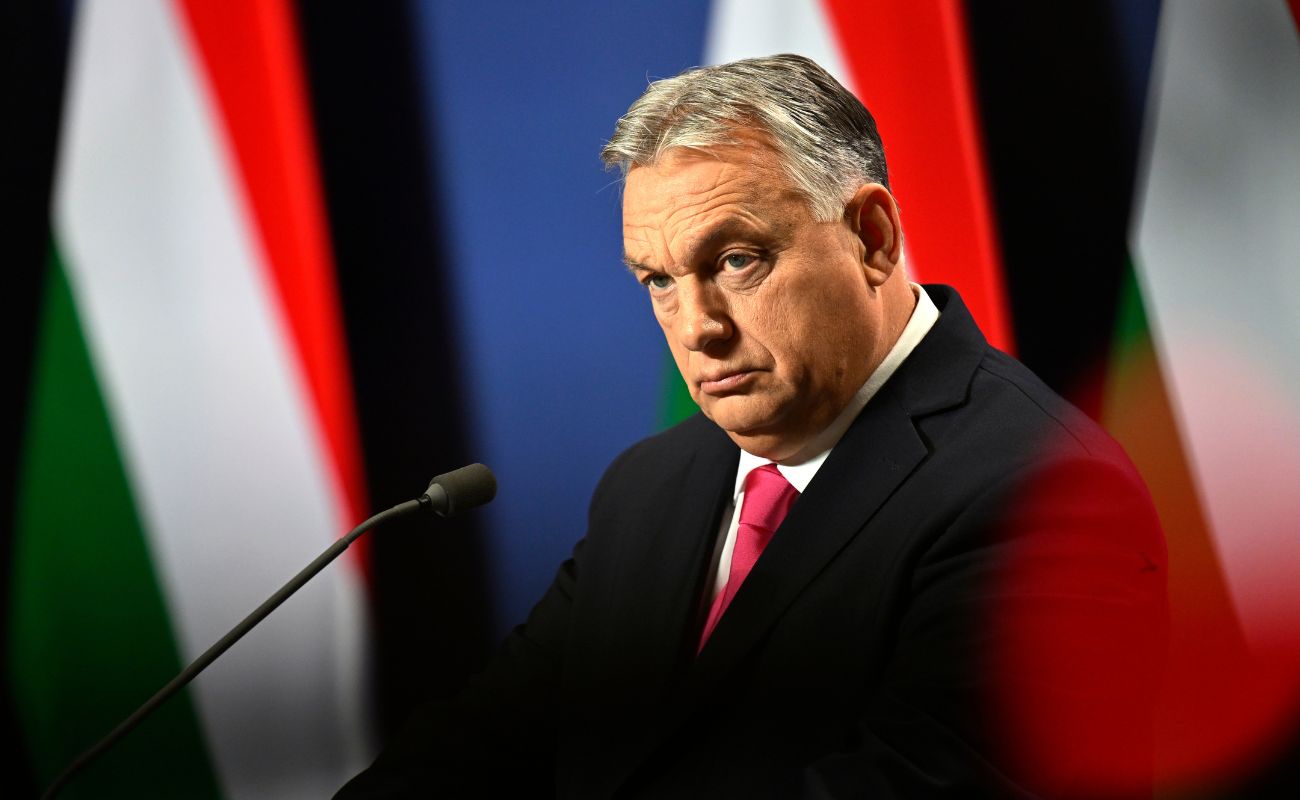
According to UATV: Slovakia and Hungary are pressuring Ukraine to resume the flow of Russian oil through the 'Druzhba' pipeline. This geopolitical push comes as Hungary has blocked a €90 billion EU loan for Ukraine and the EU's 20th sanctions package against Russia. On March 9, Hungarian Prime Minister Viktor Orbán called on the European Union to suspend sanctions on the Russian energy sector, a move that has raised significant concerns among Ukrainian officials.
The 'Druzhba' pipeline was seriously damaged by a Russian military strike on January 27, halting its operations. With a capacity of 75,000 tons, Ukrainian President Volodymyr Zelenskyy has stated that repairs could take one to one and a half months to complete. The pipeline's disruption is part of the wider energy instability caused by the war.
Repair Prospects and Political Demands
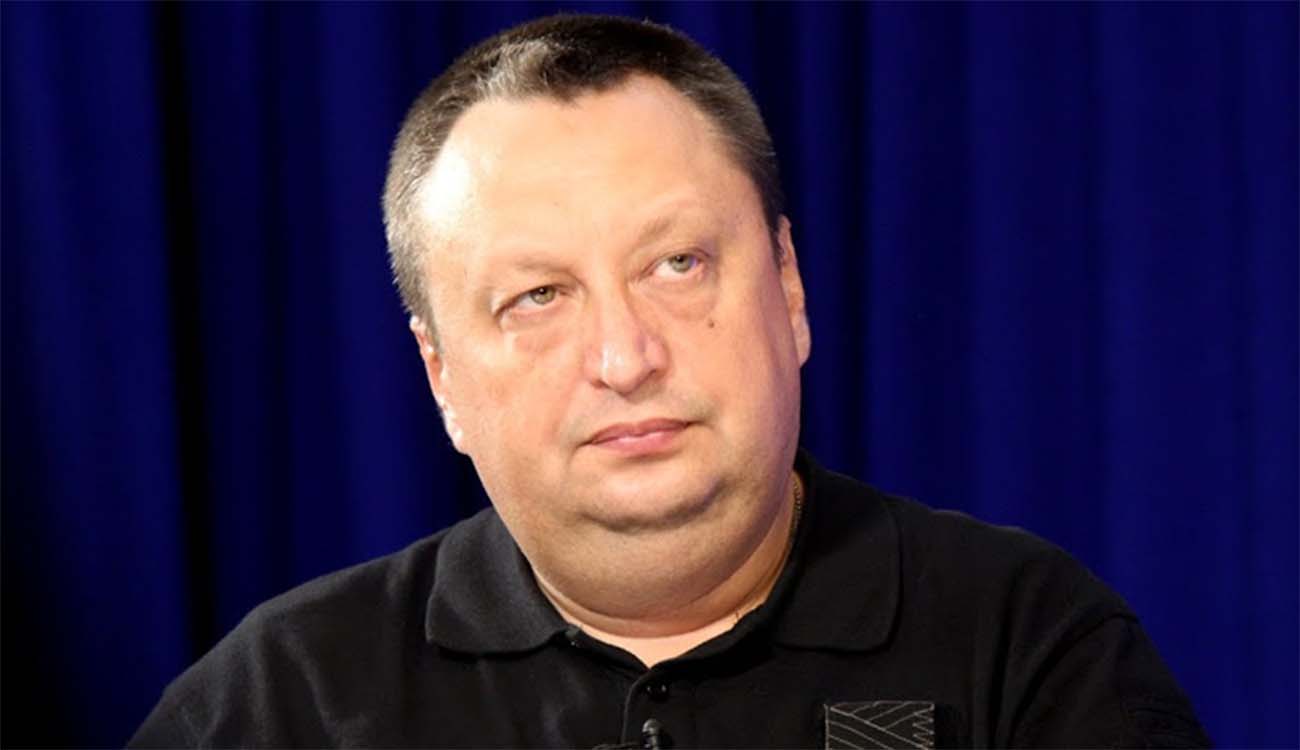
Slovak Prime Minister Robert Fico has expressed readiness to inform the President of the European Commission about Slovakia's capabilities to repair the pipeline. However, expert Serhiy Koretskyi argues that
“there is neither a technological rationale nor a security justification for restoring it.”Discussions on the issue are ongoing. Deputy Prime Minister Władysław Kosiniak-Kamysz of Poland emphasized that
“this is an important topic for discussion across the entire European Union. International law must be upheld.”
The political decisions of Slovakia and Hungary regarding the transit of Russian oil through Ukraine could significantly impact Ukraine's energy security and economy. Amid the ongoing war and sanctions against Russia, restoring the transit route presents both a potential opportunity and a threat for Ukraine, given its reliance on energy resources. The debate over repairing the pipeline and the demands from neighboring states will remain a key issue in international discussions about Europe's energy security landscape.
Read also
- Hungary Blocks Ukraine’s EU Accession Again—Key Milestone Delayed
- Hungary Opposes Fast-Track EU Membership for Ukraine: Key Details Emerge
- Orban Warns EU Against Rushing Ukraine Talks — Here’s What’s Wrong With the Negotiation Clusters
- EU Greenlights Accession Talks with Ukraine After Hungary's New Prime Minister Drops Veto
- Despite Election Defeat, Orban Retains Fidesz Leadership: Party Congress Decision
- Orban Secures Reelection as Fidesz Leader in Budapest with 729 Delegate Votes