Ukraine’s Supreme Court Eases Path to Declaring Missing Soldiers Dead When Bodies Can’t Be Recovered.

Landmark Ruling by Ukraine’s Supreme Court
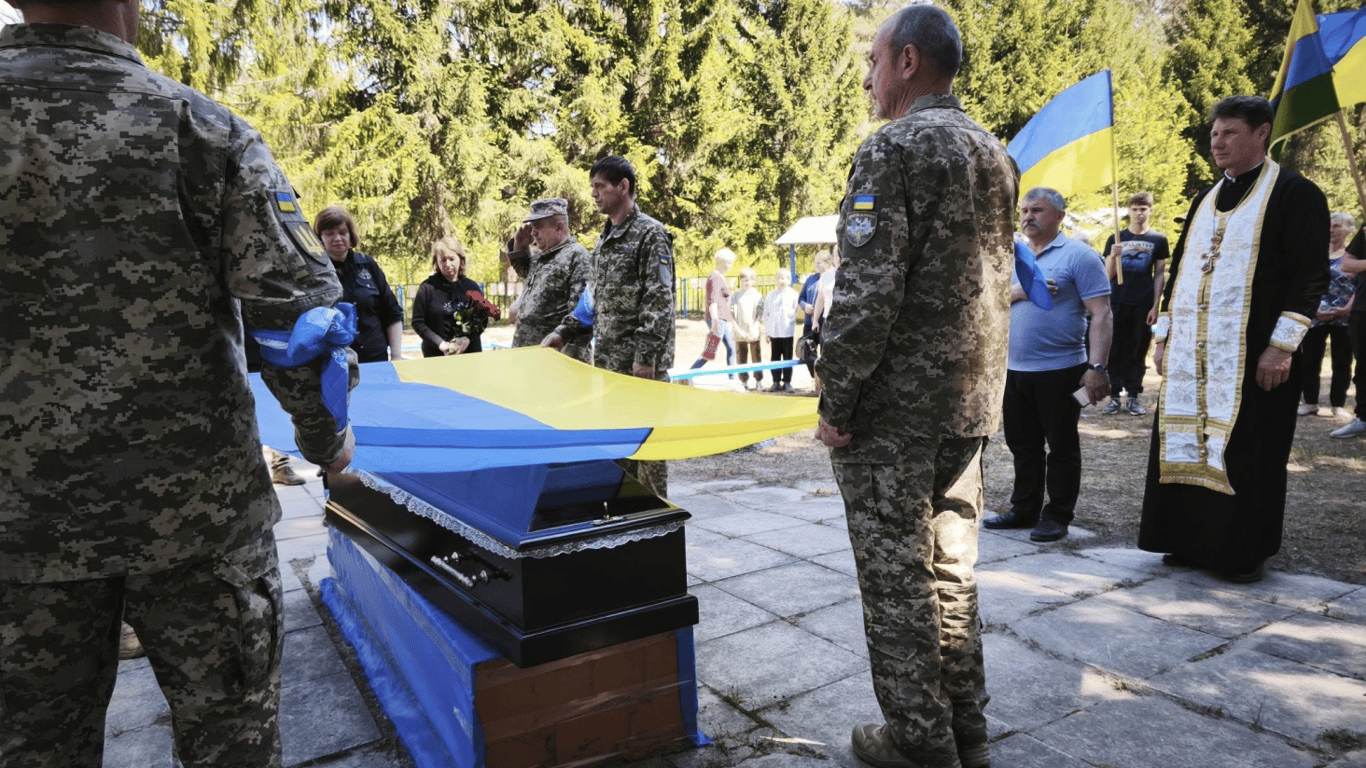
According to Novyny.live: On January 21, 2026, the Supreme Court of Ukraine issued a ruling (case No. 127/11048/24) that significantly simplifies the process of declaring missing military personnel deceased. The decision allows courts to accept alternative evidence when it is impossible to retrieve bodies from combat zones. This change aims to provide legal clarity for families who previously could not secure a death declaration for their loved ones without a court order.
Updated Documentation Requirements
Ukraine has also revised the list of documents needed for families of missing service members to qualify for benefits. Acceptable evidence now includes:
- An official missing-person notification issued by a territorial recruitment and social support center or the relevant military unit;
- Materials from an official investigation, such as an extract from a command order or a detailed investigation report outlining the circumstances;
- Written statements from commanders and eyewitnesses—specifically, accounts from fellow soldiers who directly observed the moment of injury.
Pavlo Hretchenko, a representative of the Supreme Court, stated that 'the January 21, 2026 ruling in case No. 127/11048/24 is a key precedent confirming the possibility of declaring a service member deceased before active hostilities have ended.'
This Supreme Court decision strengthens the legal protections for relatives of missing soldiers and streamlines the process of declaring death when body recovery is not feasible. It represents a significant step toward ensuring justice for families enduring the loss of loved ones amid ongoing military operations.
The ruling carries major legal implications for the many families caught in the difficult circumstances of war. By easing the death declaration procedure, it offers relief to relatives who have long awaited legal certainty about their loved ones' status. The acceptance of alternative evidence also marks an important advance in upholding human rights during armed conflict, where traditional methods of confirming death may be unavailable.
Read also
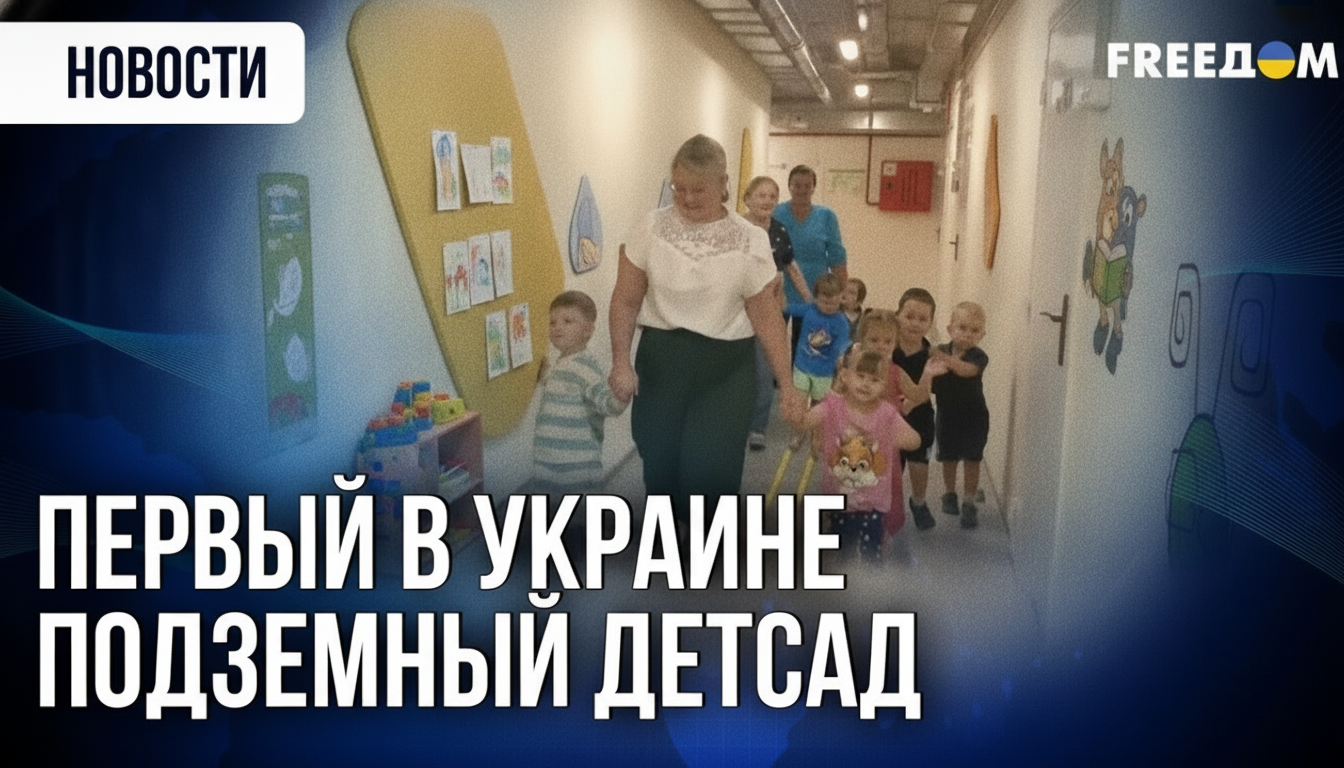
- Ukraine’s first underground kindergarten opens in Kharkiv, accommodating 260 children
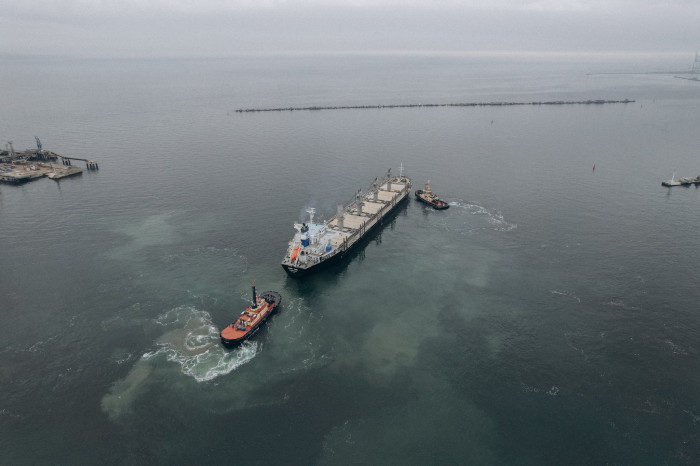
- Ukraine's ports crippled by Russian strikes: 28 vessels hit, 21 killed
- 24 Children Rescued from Occupied Territories by Save Ukraine, Including Injured 13-Year-Old Anhelina
- Woman Faces Up to 7.5 Years in Prison After Attacking Children for Speaking Ukrainian in Poland
- One of the Most Recognizable Voices on Ukrainian Radio, Journalist Oleksandr, Has Passed Away
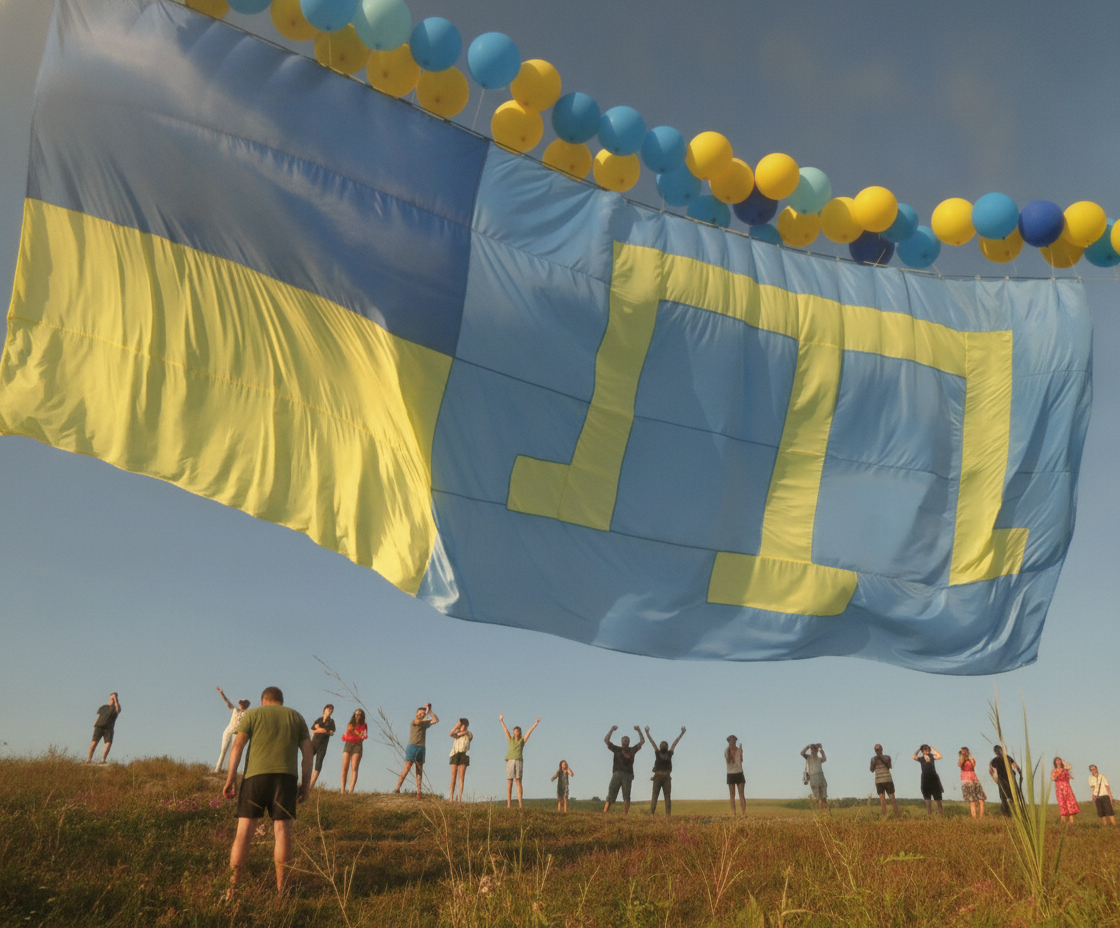
- Crimean Tatars Reclaim Their True History: How Valery Vozgrin’s Work Dismantles Russian Myths