








The war may end as early as next year: why Ukraine is losing financial stability.

The war may end as early as next year: why Ukraine is losing financial stability

According to ТСН: The war between Russia and Ukraine is likely to end next year, but it will happen under conditions extremely unfavorable to Kyiv. The reason lies in financial constraints and the inability of the European Union to make important decisions regarding the use of frozen Russian assets.


International commentator for Politico Europe, Jamie Dettmer, writes about this.

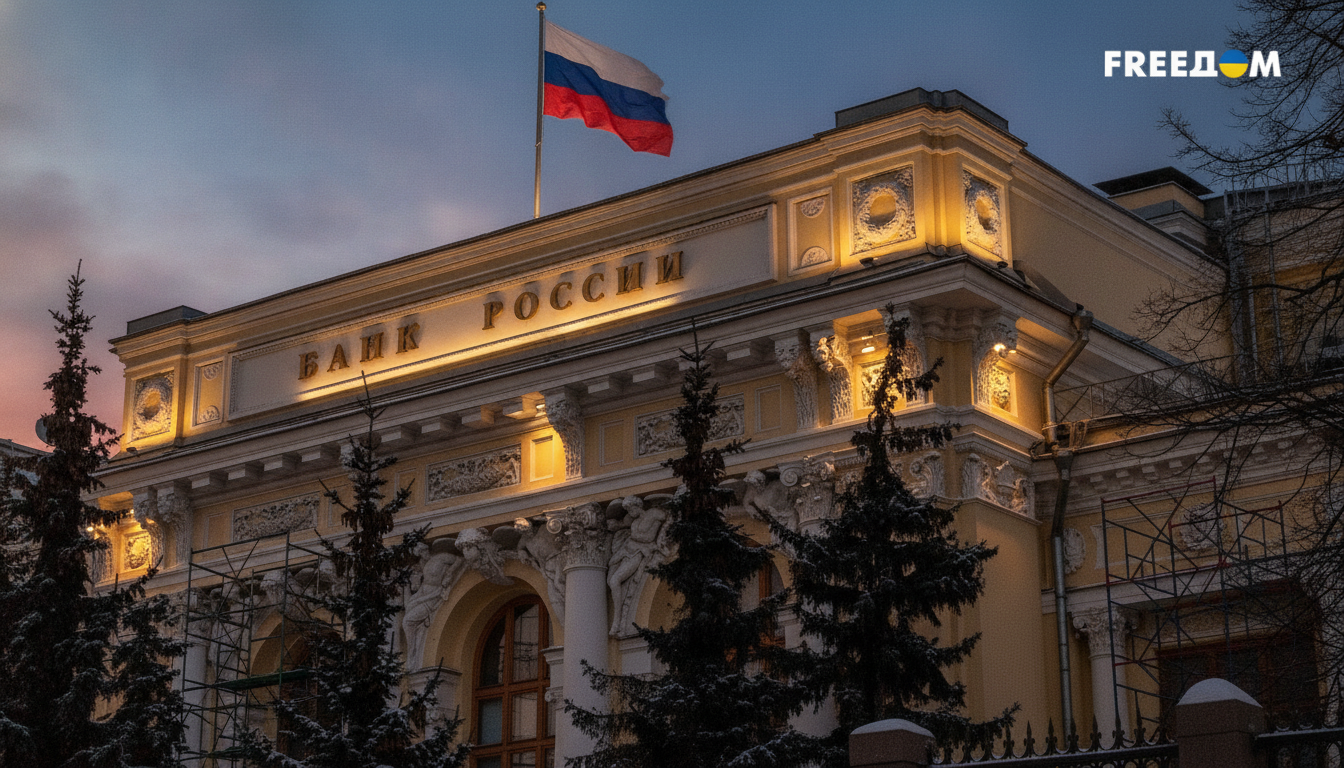
The author notes that a key factor has been the EU's failure to reach an agreement on using approximately 210 billion euros in frozen Russian assets for ongoing support of Ukraine's solvency and funding its military efforts.

This refers to the failure of the 'reparations loan' initiative, which envisaged recycling Russian assets, mostly frozen in a Belgian clearing bank, with the subsequent allocation of funds to support Ukraine. If adopted, this scheme would have provided Kyiv with stable funding for at least two years.

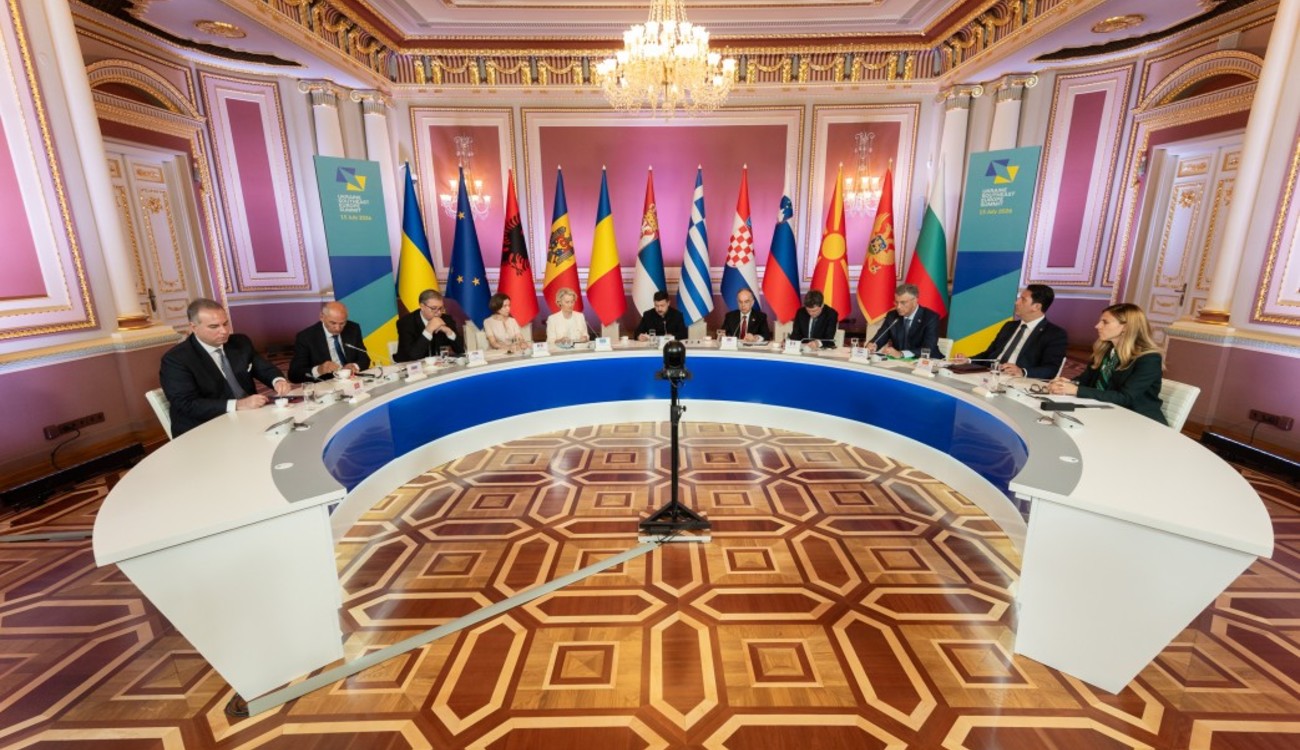
However, as Dettmer notes, legal issues in Belgium and the refusal of French President Emmanuel Macron and Italian Prime Minister Giorgia Meloni to support German Chancellor Friedrich Merz led to the proposal's failure. This happened despite lengthy discussions and hopes from supporters of the idea, including European Commission President Ursula von der Leyen.

On the other hand, the European Union approved an alternative solution — a joint borrowing of 90 billion euros on capital markets under EU budget guarantees, which will then be provided to Ukraine in the form of an interest-free loan.

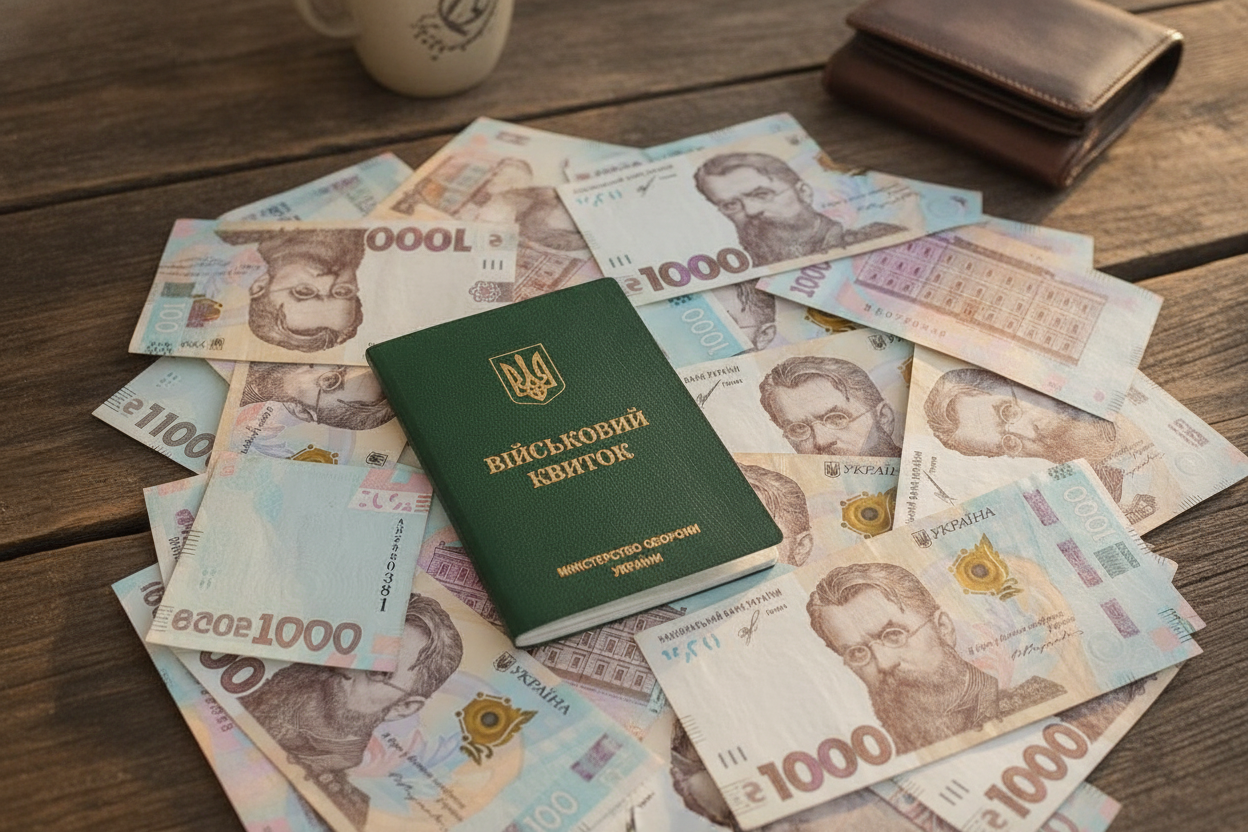
This package, according to the commentator, will help avoid a financial collapse in Ukraine at the beginning of next year, but it is only planned for two years and cannot ensure the country's long-term sustainability in the war. According to the International Monetary Fund, due to the reduction in financial support from the United States, Ukraine's budget deficit over the next two years may reach 160 billion dollars.


“Simply put, Ukraine will need significantly more funds from Europe, and the bloc will find it increasingly difficult to provide this,” Dettmer notes.

Nevertheless, several European leaders, after reaching a financial agreement, demonstrated cautious optimism. In particular, Finnish President Alexander Stubb expressed the view that the agreed package is related to frozen Russian assets, as Kyiv will be able to use them to repay the loan after the war ends.


“Frozen Russian assets will remain frozen... and the Union reserves the right to use these assets to repay this loan,” Stubb wrote on social media X.

Still, the commentator notes that hopes for future loans related to Russian assets may prove overly optimistic. It all depends on what conditions for ending the war are agreed upon, and securing new financing will be harder when Ukraine's treasury runs dry again.

Last week, Hungary, Slovakia, and the Czech Republic refused to participate in the joint borrowing scheme. According to Dettmer, it is quite possible that other countries may join them, especially given that 2027 is a significant election year for France and Germany. Additionally, a new U.S. administration under Donald Trump may complicate the outlook for additional assistance.

However, Belgian Prime Minister Bart De Wever called the agreement reached after nearly 17 hours of negotiations a "victory for Ukraine, a victory for financial stability, and a victory for the European Union."

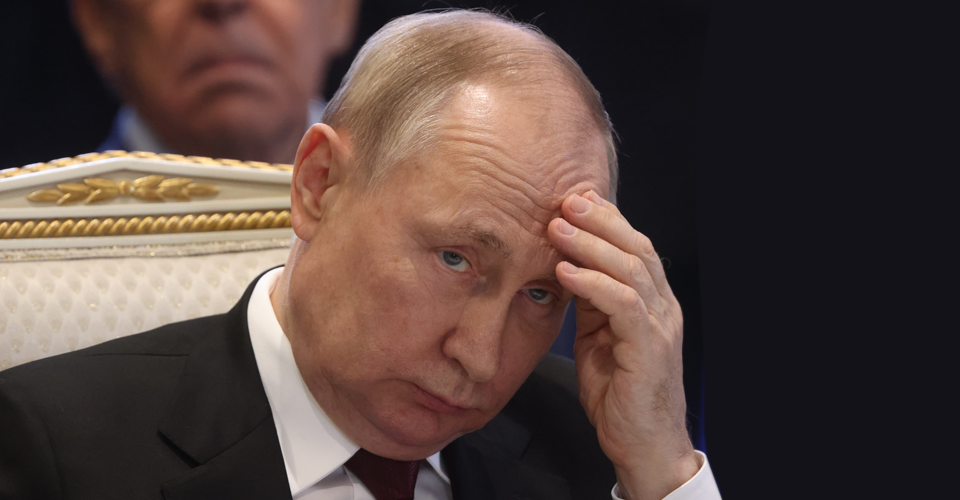
But, as the author notes, Russian President Vladimir Putin is unlikely to agree with such an assessment.

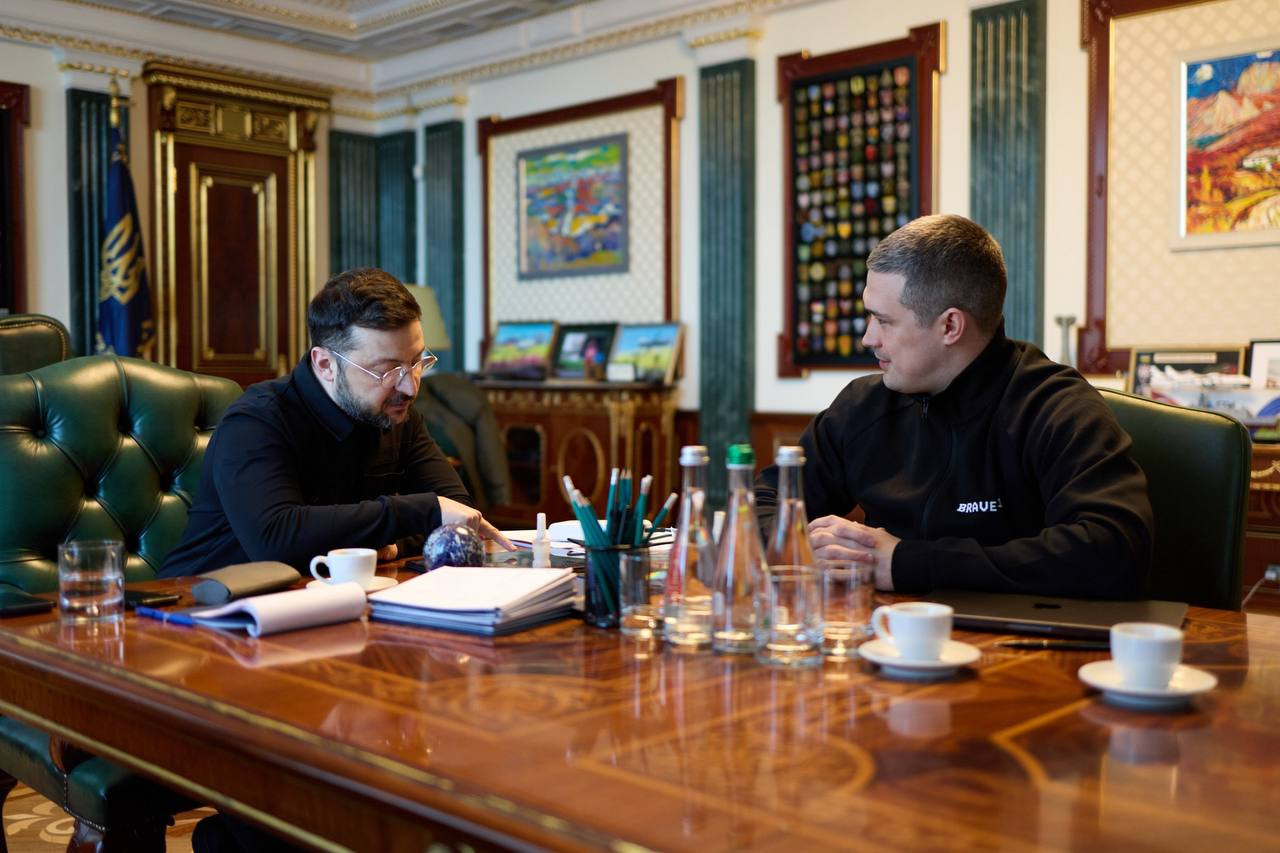
Ukrainian President Volodymyr Zelensky, in an effort to convince European leaders to support the reparations loan, emphasized earlier:


“If Putin knows that we can remain resilient for at least a few more years, his motivation to prolong this war will become significantly weaker.”

However, Dettmer stresses that this did not happen. The failure of last week's negotiations only revealed deep divisions within Europe, which, in the author's opinion, reinforces the Kremlin's impression that time is working in Russia's favor.

It should be noted that earlier it was reported that, according to Ukrainian President Volodymyr Zelensky, the refusal to use frozen Russian assets for a reparations loan may weaken Ukraine's position and reduce the chances of a diplomatic resolution to the war, as Vladimir Putin will have no incentives to negotiate.


Read also

Advertising