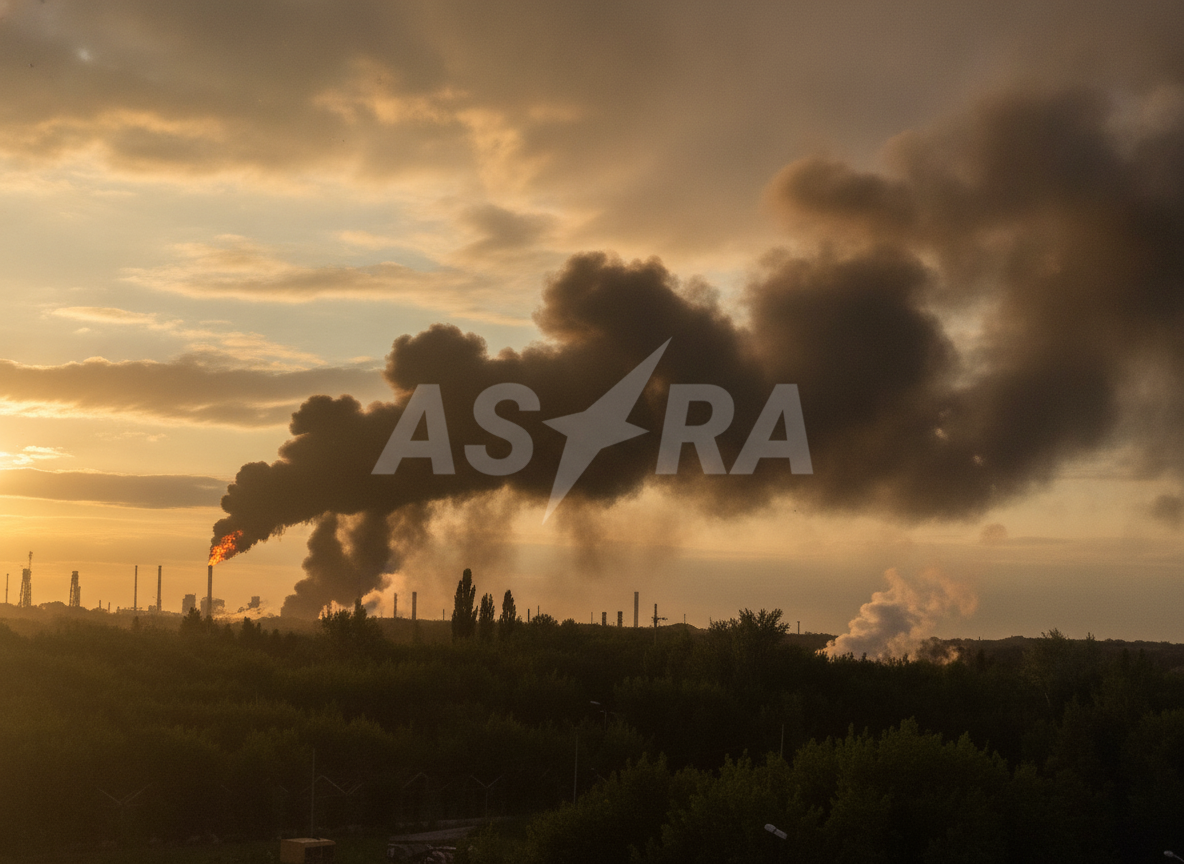








Middle East Conflict Threatens to Drive Oil Prices to $150 a Barrel.

Oil prices rise due war

Oil Market Turmoil: Iranian Regime Likely to Survive

According to TSN.ua: The global energy market is experiencing severe instability due to the ongoing conflict involving the US, Israel, and Iran, particularly following the blockade of the Strait of Hormuz. The price of Brent crude oil spiked to $119 on March 9th, only to fall sharply to $91 by March 11th. This vital shipping lane, which connects the Persian Gulf to the open ocean, is a critical chokepoint for global supplies, handling over 20% of the world's seaborne oil and gas. Notably, 90% of the energy exports passing through the strait are purchased by Asian nations. This volatility underscores the market's extreme sensitivity to disruptions in this geopolitically tense region.

Since the outbreak of hostilities, 14 vessels have been struck by munitions in the Strait of Hormuz. Analysts warn that crude prices could potentially surge to $200 per barrel, with a more immediate risk of reaching $150. The human and financial costs of the conflict are also mounting: 150 US service members have been wounded and 7 killed since the war began, while the military campaign against Iran has already cost an estimated $5 to $10 billion.

Further complicating matters, Russia is providing Iran with satellite intelligence on the positions of American troops. The US, Israel, and their allies have fired over 800 interceptor missiles from Patriot air defense systems, highlighting the intensity of the fighting. Despite these severe challenges, experts, as noted by CNN, assess that 'the mining has not yet become widespread.'

A Historic Price Shock: $150-a-Barrel Oil Looms

This energy crisis illustrates not only the challenges for exporting nations but also the profound threats to the global economy. Genuine uncertainty grips the market, as further military escalation could trigger new price peaks and prolonged instability.

'I think a year ago I had them (maps) too' - Volodymyr Zelenskyy

Consequently, the energy market remains under intense pressure from military action and political disputes, which could significantly impact the global economy in the near term.

The regional conflict may have long-term consequences for the world energy market. Soaring oil prices could fuel inflationary pressure in many energy-importing countries. Furthermore, instability in the Strait of Hormuz may force importers to seek alternative supply sources, potentially reshaping global trade routes and political alliances.


Read also

Advertising