






Eight EU Nations Push for Schengen-Wide Ban on Russian Military Personnel.

EU countries ban Russian military entry

Proposed Entry Ban for Russian Soldiers into the Schengen Area

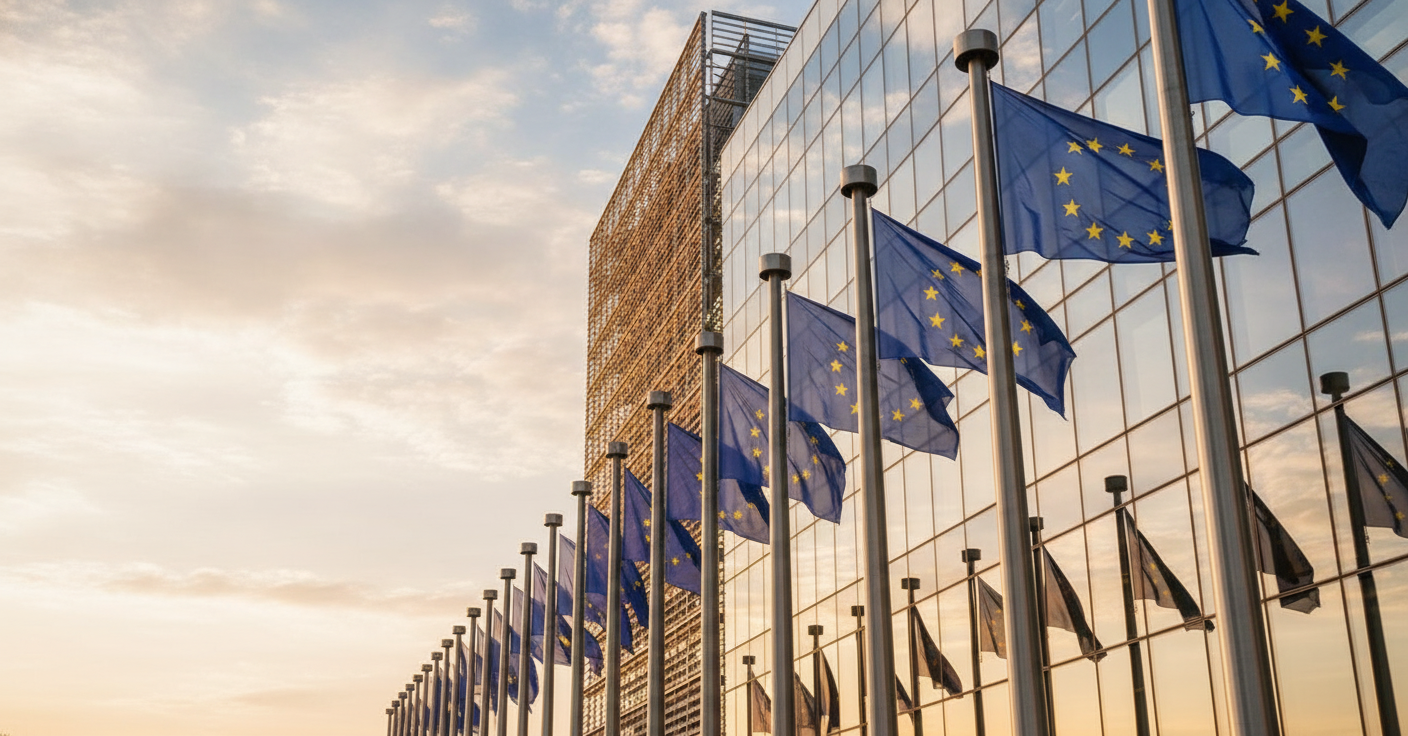
According to TSN.ua: The leaders of eight European countries have called for a ban preventing Russian military personnel from entering the Schengen Zone, urging amendments to the EU Visa Code. This initiative is backed by:

  • Estonia
  • Finland
  • Germany
  • Latvia
  • Lithuania
  • Poland
  • Romania
  • Sweden

The proposal has been sent to European Council President António Costa and European Commission President Ursula von der Leyen.

Estonia's Actions and Leadership Reactions

Estonia has already taken steps in this direction, barring over 1,300 individuals who fought on Russia's side in the war against Ukraine from entering the Schengen Zone. In January, it notably denied entry to 261 Russian soldiers for the first time. The leaders emphasize that this is just the beginning of restrictions for hundreds of thousands of occupiers, whom they argue have no place in the Schengen area.

“We believe that one of the most serious and ongoing risks is the potential movement of former and current Russian combatants into the Schengen Zone.”

Gitanas Nausėda, President of Lithuania

Estonian Defense Minister Margus Tsahkna added: “This is only the start of restrictions for hundreds of thousands of occupiers who have no place in the Schengen Zone.”

The initiative aims to bolster European security, as there are serious concerns about Russian military personnel potentially infiltrating the Schengen area. The leaders hope their efforts will help prevent this threatening scenario.

This move is part of Europe's broader response to Russia's aggression in Ukraine, which has triggered major shifts in continental security policies. Implementing such restrictions sends a message of solidarity among European states and their commitment to protecting borders from potential threats. The reaction of Schengen member states to this proposal could shape future relations with Russia and impact the region's security landscape.


Read also

Advertising