70-year-old Ukrainian built an ecological house from wood: how it looks inside.

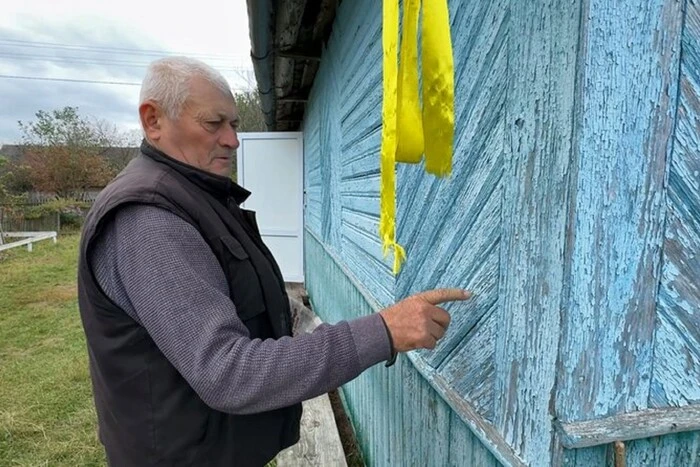
Ecological house by Vasyl Kravets
According to inkorr.com: 70-year-old Vasyl Kravets from Horaymivka in Volyn independently built an ecological house using wood and clay. He actively shares his knowledge with fellow villagers, helping them to build similar homes. Several such buildings have already appeared in the village, while the first house was built by Vasyl for his family 36 years ago.
Benefits of ecological construction
Kravets' farm has become extremely profitable, as it is easy to find all the necessary materials for construction in Polissia. Vasyl emphasizes that this method is accessible and economical for providing housing. His idea was inspired by a project from neighbors in a neighboring district, where similar houses have already been erected.
“The wood was harvested from aspen - aspen wood. They dried and laid dry wood. Why aspen? There are insects that eat wood, called the woodworm. The woodworm does not eat aspen,” the craftsman explained.
In the new house, which has six rooms and a kitchen, the Kravets family lives. Wife Lyubov noted that it is very cool in summer, and in winter they heat the house with wood - one stove heats two rooms. About 10 cubic meters of wood were needed for construction.
Dmytro Kyslyuk, a lecturer at the Department of Construction and Civil Engineering at Lutsk University, noted that a house made of wood and clay has many advantages, including ecological friendliness and a long service life.
Thus, the Ukrainian pensioner Vasyl Kravets built an ecological house hoping to inspire residents towards economic and environmentally clean construction. This project is an example of simplicity and efficiency in such an approach to residential construction.
Thanks to efforts to implement environmentally friendly construction, Vasyl Kravets is gaining popularity in his community, demonstrating how practicality and care for nature can be combined. His initiative not only addresses housing issues but also shapes new approaches to environmental preservation. This example can serve as inspiration for many who strive to live in harmony with nature without sacrificing comfort.Read also
- Three Ukrainians Without Documents Rescued from Occupied Territories Under Bring Kids Back UA Initiative
- Ukraine’s first underground kindergarten opens in Kharkiv, accommodating 260 children
- Ukraine's ports crippled by Russian strikes: 28 vessels hit, 21 killed
- 24 Children Rescued from Occupied Territories by Save Ukraine, Including Injured 13-Year-Old Anhelina
- Woman Faces Up to 7.5 Years in Prison After Attacking Children for Speaking Ukrainian in Poland
- One of the Most Recognizable Voices on Ukrainian Radio, Journalist Oleksandr, Has Passed Away