Court Rules Against Volyn Military Enlistment Office After Over Half Its Staff Found to Have Combat Experience.

Volyn Region Faces Tensions Between Recruiters and Locals
According to Novyny.live: More than 50 percent of personnel at the Volyn Regional Military Enlistment and Social Support Center (known locally as the TCC) have direct combat experience. Among them, roughly 20 percent served in the Anti-Terrorist Operation (ATO) and the Joint Forces Operation (JFO). Despite this high level of frontline exposure, the region is now dealing with a growing rift between TCC employees and area residents, sparking concern within the community.
Support Systems for Wounded Soldiers
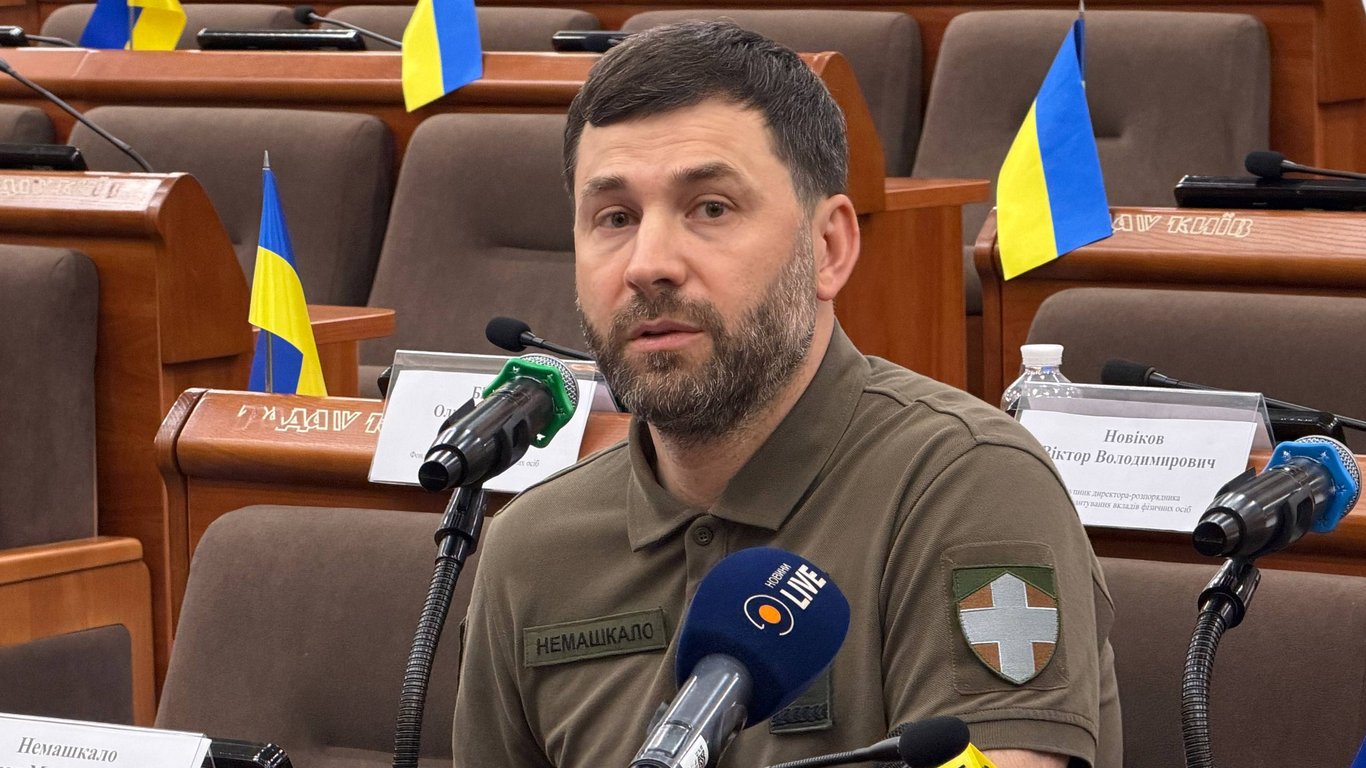
Approximately 30 percent of the TCC's military staff were transferred from active combat units due to health issues. According to Roman Nemashkalo,
“about 30 percent of our personnel were moved from combat units — these are soldiers who can no longer carry out combat missions because of their medical condition”. This figure highlights the pressing need for social support and rehabilitation programs for service members injured during their tours of duty.
In a recent development, the Volyn District Administrative Court ruled that the TCC had acted unlawfully in a case involving the re-registration of a local resident for military service. The decision marks a significant moment in resolving the ongoing friction and underscores the necessity of respecting civilian rights when interacting with military institutions. The situation in the Volyn region demands further examination and resolution to foster stability and social harmony.
This news underscores the importance of accountability and constructive dialogue between military bodies and local communities in Ukraine, especially when a large share of personnel carries combat experience. The court's ruling against the TCC could serve as a pivotal step toward safeguarding residents' rights and preventing future disputes. Analyzing the root causes and effects of these conflicts may help design more effective frameworks for military-civilian interaction.
Read also
- Three Ukrainians Without Documents Rescued from Occupied Territories Under Bring Kids Back UA Initiative
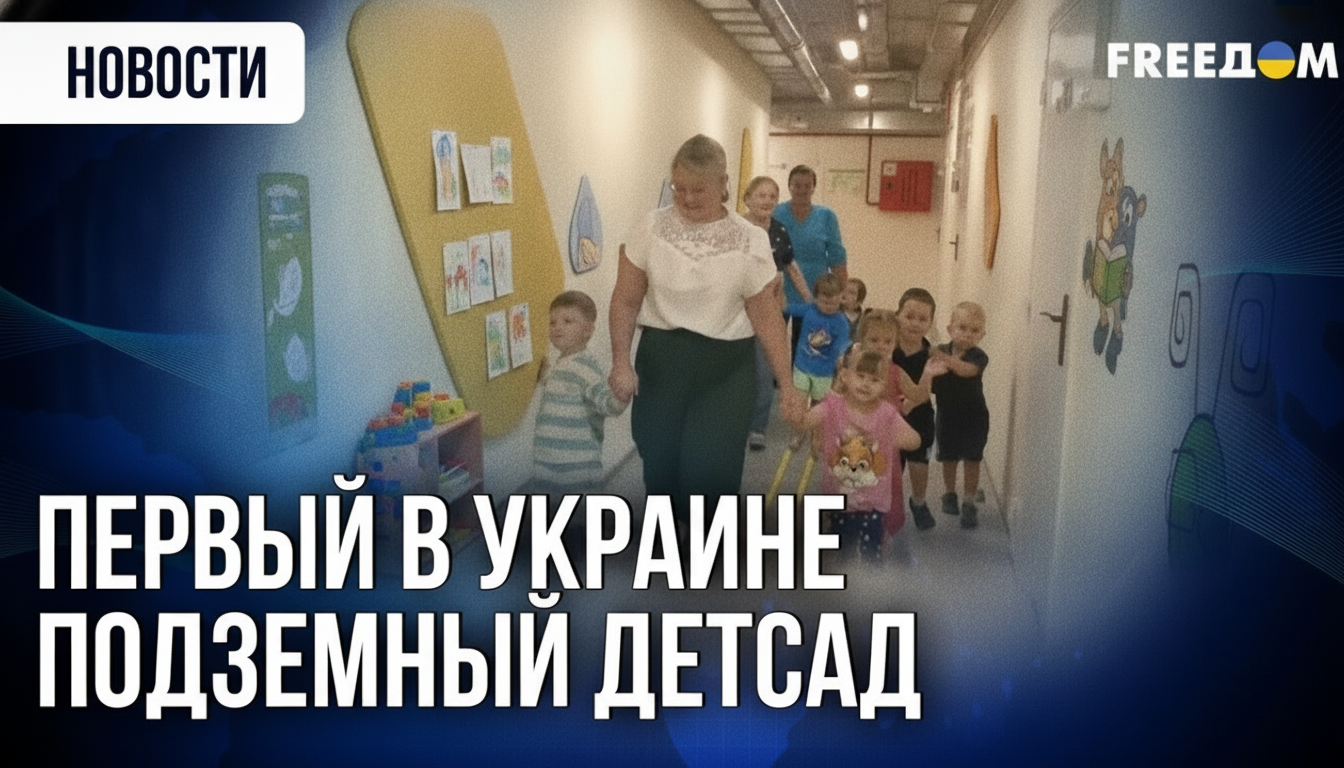
- Ukraine’s first underground kindergarten opens in Kharkiv, accommodating 260 children
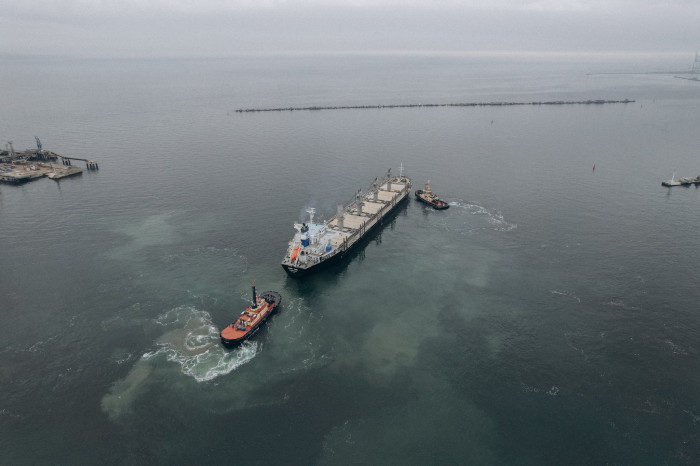
- Ukraine's ports crippled by Russian strikes: 28 vessels hit, 21 killed
- 24 Children Rescued from Occupied Territories by Save Ukraine, Including Injured 13-Year-Old Anhelina
- Woman Faces Up to 7.5 Years in Prison After Attacking Children for Speaking Ukrainian in Poland
- One of the Most Recognizable Voices on Ukrainian Radio, Journalist Oleksandr, Has Passed Away