The impact of humanity on the oceans will double by 2050: what awaits the planet.

According to inkorr.com: A new study conducted by scientists from the University of California, Santa Barbara (UCSB), indicates that human impact on the oceans could double by 2050. This will have serious consequences for marine ecosystems and humanity. This was reported by 'Glavkom', citing the scientific journal The Current.
Danger to the oceans
Oceans, once considered limitless and unprotected, are now under threat. According to marine ecologist Ben Halpern, director of the National Center for Ecological Analysis and Synthesis (NCEAS), the pressure on the oceans is increasing very rapidly.
“Our cumulative impact on the oceans, which is already significant, will double by 2050 – in just 25 years. This includes ocean warming, loss of fish biomass, rising sea levels, acidification, and nutrient pollution, among other consequences,” said Ben Halpern, who led the study. “This is alarming. And it’s not unexpectedly so because the impact will intensify – this is inevitable – but because it will grow so rapidly.”
Forecasts and challenges
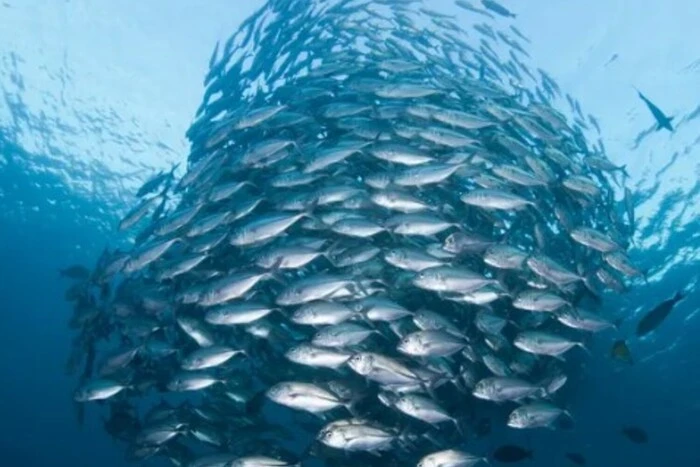
Researchers note that the greatest impact will come from global warming and intensive fishing, leading to a reduction in fish resources. Rapid changes are expected in tropical and polar regions, as well as in coastal areas, where the bulk of human activity is concentrated.
Increased pressure may exceed the recovery capabilities of ecosystems, posing a serious challenge to humanity, especially for countries heavily dependent on the oceans.
Possible solutions
Despite these challenges, the authors of the study published in the journal Science argue that the situation can still be changed. They emphasize the need to implement policies to mitigate climate change and improve fisheries management.
“The ability to glimpse into the future is an extremely powerful planning tool,” said Halpern. “We can still change this future; our paper is a warning, not a sentence.”
Thus, the study underscores the significant impact of human activity on the oceans and the growing risks of further exacerbating the situation. Decisive actions are needed in the ecological and economic spheres, as well as raising awareness among the public and authorities about the importance of protecting the marine environment to change this negative trend.
Read also
- Three Ukrainians Without Documents Rescued from Occupied Territories Under Bring Kids Back UA Initiative
- Ukraine’s first underground kindergarten opens in Kharkiv, accommodating 260 children
- Ukraine's ports crippled by Russian strikes: 28 vessels hit, 21 killed
- 24 Children Rescued from Occupied Territories by Save Ukraine, Including Injured 13-Year-Old Anhelina
- Woman Faces Up to 7.5 Years in Prison After Attacking Children for Speaking Ukrainian in Poland
- One of the Most Recognizable Voices on Ukrainian Radio, Journalist Oleksandr, Has Passed Away