The Worst Job Market Since the Recession: Why Ukrainians Find It So Hard to Find Work.

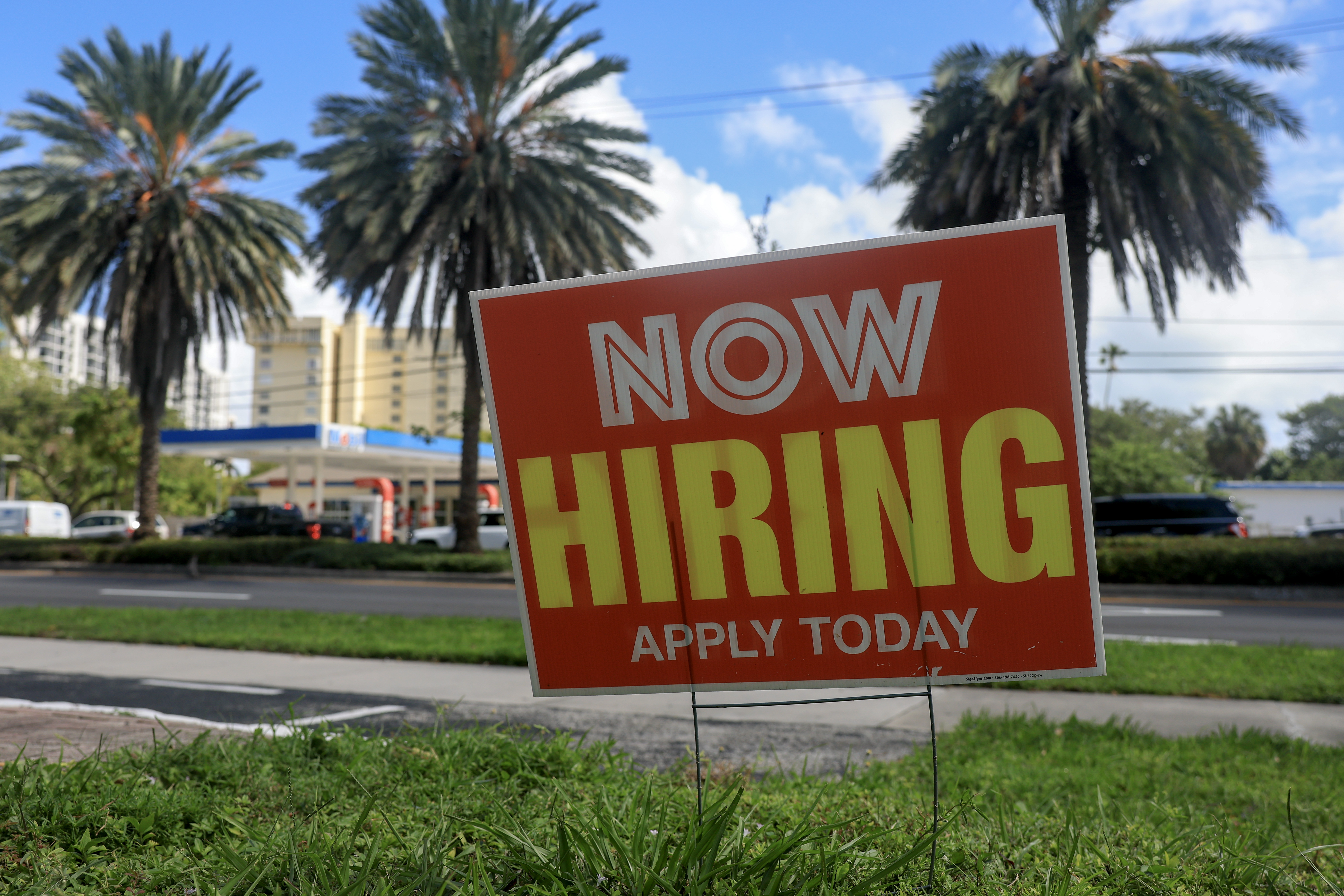
According to Vox: LinkedIn, as a platform for professional networking, has become a kind of support group this year for job seekers. Users have actively shared their experiences regarding the difficulties in finding work, complaining that their resumes are being ignored and employers disappear after the initial stages of interviews. Those who marked themselves as “#OpenToWork” felt particularly vulnerable, as they unsuccessfully sent numerous applications.
Key Takeaways
- This year has been one of the worst for job seekers since the Great Recession.
- Young college graduates and representatives of certain sectors, such as manufacturing and big tech, have faced particularly challenging employment conditions.
- Trump's immigration policies and tariffs have partly contributed to this situation, although some experts are confident that other reasons arose even before his presidency.
“After almost eight months of unemployment and continuous job searching in this terrible job market, I changed direction,” wrote one user. “I decided to start working full-time at Trader Joe’s.”
Estimates suggest that 2025 has turned out to be one of the worst years for workers since Barack Obama's presidency. Against the backdrop of economic uncertainty, hiring has dropped to the lowest level in over ten years. Finding new work has become difficult, whether you are a factory worker, a young person just graduating from college, or a project management professional fruitlessly updating their online resumes.
“If you are currently looking for a new job - whether you are a recent graduate or have been laid off - the market is terrible,” said Guy Berger, an economist at Guild. “It might not just be terrible, but critical.”
No One is Hiring
Throughout most of the year, employment growth in the US has been weak, and in some reports, even nonexistent. According to the Bureau of Labor Statistics (BLS), the US has added only 50,000 new jobs per month since May - the worst rate since 2010, excluding the early months of the pandemic.
Fed Chair Jerome Powell noted that the real situation could be even worse, as the government may be overestimating the number of new jobs by about 60,000 each month due to difficulties in accounting for the impact of new businesses and closures. Currently, data indicate that wages are hardly rising or even falling.
At the same time, the unemployment rate is rising, indicating an increasing number of people who want to work but cannot find jobs. In November, the unemployment rate reached 4.6%, which is 0.6 percentage points higher than in January.
Although these figures remain relatively low for now, the duration of the labor market being in a “low-turnover” state for over two years has created a sense of instability for job seekers.
The situation is exacerbated by news of mass layoffs in major tech companies, but according to federal job vacancy and turnover surveys, the overall number of layoffs has only slightly increased since 2024 and remains lower than in 2019.
“The unemployment rate has risen faster among young graduates than among young workers without a college degree.”
This has led to the formation of a two-tiered economy: for those who already have jobs, life looks significantly better than for those who are unemployed and whose chances of getting a job diminish with each passing year.
Economists believe that the main reasons for this situation are strict hiring policies and the increasing role of technology, leading to layoffs. Overall, the job market remains in a state of relative stagnation, despite positive indicators of economic growth.
What’s Happening?
Experts note that the strict immigration policies of the Trump era have significantly impacted overall employment growth, particularly in sectors that rely on immigrant workers. For example, the construction sector is struggling to find new workers to perform jobs.
“Employers expect even worse hiring conditions for college graduates next year.”
Thus, it is clear that the job market will remain in a difficult situation for some time. If you have a job, do not rush to leave it; if not - try to keep the hope for new opportunities alive.
Read also
- Antique Musket Balls Repurposed Into Solar Cells with 94% Efficiency
- South Korea Patents a Silent Engine for Air Taxis
- 144 FPS at 4K: A Gamer Pairs an RTX 3090 and RTX 3050 for Stunning Performance
- Snapdragon 8 Elite Gen 5: Qualcomm’s New Chip Targets Sub-$600 Smartphones
- Samsung Unveils Three New Odyssey Gaming Monitors: Specs and Features Revealed
- Plastic Waste Converted into Jet Fuel: New Breakthrough by Chinese Researchers